If you’re struggling with private student loan repayments, you’re not alone. Many borrowers hope for private student loan forgiveness, especially since federal loan forgiveness programs have expanded under the Biden administration. However, private loans from companies like Sallie Mae, SoFi, and Discover don’t fall under those programs because they follow a completely different set of rules.
While federal loans have a variety of forgiveness options, private lenders are more focused on profitability. They base loans on your credit score, aiming to earn returns for their shareholders. Because of this, private student loan forgiveness is rare and usually only granted in extreme cases like permanent disability or death. Even if you’re facing financial hardship, these lenders still expect you to keep up with your payments.
In this article, we’ll explore the limited forgiveness options available for private student loans and discuss the other ways to manage your monthly payments if forgiveness isn’t an option.
- When Are Private Student Loan Forgiveness Applicable?
- Other Relief Options for Private Student Loans
- Frequently Asked Questions
- Takeaways
When Are Private Student Loan Forgiveness Applicable?
Private student loans don’t come with the same forgiveness options that federal loans do, but there are certain situations where you might get some relief.
1. Lender-specific programs
Some private lenders offer their own relief or private student loan forgiveness options, but these programs vary from one lender to another. They may include temporary forbearance or deferment programs that allow you to pause payments during financial hardships, or they could offer interest rate reductions to make your payments more manageable.
In rare cases, certain lenders might provide partial loan forgiveness under specific conditions, such as ongoing financial difficulties or other unique circumstances.

Because these programs aren’t always well-publicized, it’s a good idea to contact your lender directly to ask about any available options and see if you qualify for assistance. Make sure to ask about the details of each program, including eligibility requirements, so you can explore the best possible path for relief.
2. Settlement
If you’re struggling financially and can’t keep up with your private student loan payments, you might be able to negotiate a settlement with your lender. A settlement typically means you agree to pay a lump sum that’s less than the total amount you owe in exchange for having the rest of your debt forgiven.
This is an attractive option if you’re facing long-term financial hardship and can’t realistically repay the full balance. However, keep in mind that lenders aren’t required to offer settlements, and it often involves tough negotiations.
Additionally, settling your debt could negatively affect your credit score and may have tax implications, as debt from private student loan forgiveness is often considered taxable income. It’s always a good idea to consult with a financial advisor or legal expert before pursuing this route to fully understand the risks and benefits.
3. Bankruptcy
Are private student loans dischargeable through bankruptcy? Typically, no but it’s not entirely impossible. To do so, you’ll need to file for either Chapter 7 or Chapter 13 bankruptcy and then go through a separate process called an “adversary proceeding.” In this proceeding, you must prove to the court that repaying your student loans would cause you “undue hardship,” which is a very high standard to meet.
The definition of undue hardship varies, but it generally means showing that you can’t maintain a minimal standard of living while repaying the loan, that your financial situation is unlikely to improve, and that you’ve made a good-faith effort to repay the loans.

It’s important to note that private student loan forgiveness is extremely rare, and lenders often don’t offer the same leniency as federal programs, making it even more challenging to discharge private loans under these circumstances.
Moreover, courts use different tests to evaluate bankcruptcy, the most common being the Brunner Test, which requires you to prove:
- You cannot maintain a basic standard of living if forced to repay the loans.
- Your financial situation is unlikely to improve for a significant portion of the loan repayment period.
- You’ve made honest attempts to pay back the loan.
This process can be long and complex, and proving undue hardship is notoriously tough, which is why many borrowers don’t succeed. You’ll likely need an experienced bankruptcy attorney to guide you through the legal hurdles, as courts rarely grants discharge private student loan forgiveness easily. Even if you don’t get your loans fully discharged, bankruptcy might still help by reducing other debts, freeing up more of your income to make your student loan payments more manageable.
4. Total and permanent disability
If you become totally and permanently disabled, some private lenders may offer private student loan forgiveness, meaning they could cancel the remaining balance of your student loans. However, this type of private student loan forgiveness is not automatic, and the process can vary significantly depending on the lender. You’ll typically need to provide detailed documentation from a qualified physician to prove that your disability is permanent and prevents you from working or earning income.
The specific requirements for loan discharge due to disability differ among lenders, so it’s important to contact your loan servicer directly to understand their policies. In most cases, you’ll need a physician’s certification stating that you are unable to engage in any substantial gainful activity due to a physical or mental impairment. This impairment must be expected to result in death or has lasted (or is expected to last) for an extended period, typically at least 12 months.
Keep in mind that the process takes time, and while some lenders might pause your payments while they review your case, others may require you to continue making payments until the disability discharge is approved. Additionally, there could be tax implications, as the forgiven loan balance may be considered taxable income depending on the tax laws at the time.
5. Death of the borrower
In the unfortunate event of your passing, some private lenders may forgive any remaining balance on your student loans. This private student loan forgiveness is often referred to as “death discharge.” However, unlike federal student loans, which automatically discharge upon the borrower’s death, private lenders don’t have a standardized policy, and forgiveness depends on the lender’s specific terms.

It’s important to review your loan agreement to see if this kind of protection is included. Some lenders automatically cancel the loan if the borrower dies, meaning the loan is not passed on to co-signers or family members.
Other lenders, however, may hold co-signers responsible for repaying the debt, even after the borrower’s death. In cases where there is a co-signer, that person could still be liable for the loan unless the lender has a specific policy that protects them from assuming the debt.
To avoid any surprises, confirm your lender’s policies and ensure that your co-signer (if you have one) understands their responsibilities. Additionally, it might be wise to consider other forms of financial protection, like life insurance, which could help cover any outstanding debt if loan forgiveness isn’t offered in the event of death.
While private student loan forgiveness isn’t common, you still have a few options to look into for potential relief. It’s important to check the details of your loan agreement and talk directly with your lender to get a clear idea of what options might be available to you.
Other Relief Options for Private Student Loans
If you’re having a hard time keeping up with your private student loan payments, you’re definitely not alone. In fact, student loan stats from the third quarter of 2022 show that 3.0% of private loans were 30 to 89 days late, and 1.6% were over 90 days past due. Just a year earlier, in 2021, those numbers were 2.2% and 0.9%, respectively.
While it’s unclear if the current economic situation will continue to push up delinquency and defaults, there are still steps you can take to find some relief.
Here are a few options you might want to consider:
1. Talk to your lender
If you’re struggling to make your private student loan payments, the first thing you should do is reach out to your lender. While private lenders typically don’t offer private student loan forgiveness, they might still have other ways to help. You could qualify for deferment or forbearance, which would allow you to temporarily pause your payments.
Keep in mind, though, that not all lenders offer these options, and those that do may have different rules about how long you can postpone your payments. Also, remember that interest will continue to build up while your payments are paused.
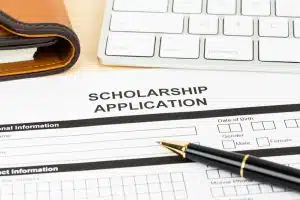
Whatever you do, don’t ignore your payments. Defaulting can seriously hurt your credit score, making it harder to borrow money down the line. Staying in touch with your lender is important to finding a solution that works for you.
2. Consider refinancing your student loans
If private student loan forgiveness is not possible, refinancing is another option you can look into. If your credit score is solid, you could qualify for a lower interest rate than what you’re currently paying.
Refinancing means taking out a new loan to pay off your existing one, and while it has its benefits, there are also some things to weigh before making the move. Some reasons to consider refinancing include locking in a lower interest rate or stretching out your repayment term to lower your monthly payments.
However, the best refinancing deals are typically reserved for those with excellent credit and high incomes. If that’s not you, you might want to think about asking a creditworthy friend or family member to co-sign. Some lenders even throw in extra perks, like free career coaching or financial planning services.
That said, refinancing isn’t a one-size-fits-all solution. If your credit score isn’t great or if you didn’t finish your degree, you may find that your refinancing options are more limited and not as favorable. It’s important to shop around and see what works best for your specific situation.
3. Look into location-based assistance programs
State-sponsored relocation programs, as alternatives for private student loan forgiveness, can be a great way to help pay off your private student loans while enjoying a fresh start in a new location. If you’re open to moving, some states offer generous incentives to attract new residents. Here are a few examples:
- Ascend West Virginia: This program offers $12,000 to remote workers who move to the state—$10,000 after your first year and another $2,000 after your second year. Plus, you’ll get perks like free coworking space access and outdoor gear rentals.
- Maryland SmartBuy: If you’re a first-time homebuyer in Maryland, you could get up to 15% of your home’s purchase price (up to $20,000) to pay off your federal or private student loans through this program.
- Tulsa Remote: This program gives remote workers a $10,000 grant for relocating to Tulsa, Oklahoma, and you can use it to pay off your student debt.
Before making a move, check with your state or county directly to see if they offer any relocation assistance programs that fit your needs.
4. Reallocate payments from federal loans
If you have both federal and private student loans, one strategy to consider is focusing more on your private loans by temporarily pausing or reducing your federal loan payments. Federal loans typically offer more flexible repayment options, like income-driven repayment plans or even temporary forbearance, whereas private loans often lack these benefits and tend to carry higher interest rates.

Additionally, private student loan forgiveness is rarely available, which makes it even more important to address your private loans sooner. By redirecting the funds you would have used for federal loans toward your private loans, you can potentially pay off the higher-interest debt faster, saving money in the long run
However, there are a few things to keep in mind before making this decision. First, federal loans continue to accrue interest while paused (unless you’re in a specific interest-free forbearance, such as during the COVID-19 relief period), which means your balance will grow over time.
This could make your federal loans more expensive in the future, as you’ll have to repay the additional interest that accumulated during the pause. It’s also important to consider how this might impact any future plans you have for federal loan forgiveness, since many forgiveness programs require consistent payments over a certain period.
5. Ask your employer about student loan repayment benefits
More and more companies are starting to offer student loan repayment benefits to their employees which can be a substitute for private student loan forgiveness. These policies can vary—some employers may match a portion of your monthly payment, while others might contribute a set percentage up to a specific dollar amount.
For instance, Google matches employees’ annual student loan payments up to $2,500, and PricewaterhouseCoopers (PwC) offers a benefit that gives employees up to $1,200 per year to help with student debt.
It’s worth asking your employer if they offer a student loan repayment assistance program. If they don’t, you could suggest the idea and see if they’d be open to starting one to support employees with their student loan repayment.
Frequently Asked Questions
1. Are private student loans eligible for forgiveness under Biden’s admin?
No, none of the Biden administration’s programs have provided relief for private student loan borrowers. Since private loans aren’t regulated by the government, they don’t come with the same protections that federal loans do. Which means private student loan forgiveness is also not covered by Biden’s programs. In fact, private lenders aren’t even required to discharge student loans in cases where the borrower becomes permanently disabled or passes away.
2. What is a student loan buy back?
A student loan buy back is when a lender or a third-party company purchases your existing student loans, typically to refinance them at a new interest rate or under different terms. This can help reduce your interest rate or monthly payments, but the terms depend on your creditworthiness and financial situation.
3. Do private student loans have repayment options?
Yes, private student loans typically offer repayment options, but they are more limited compared to federal loans. Options may include fixed or variable interest rates, different loan terms, and sometimes deferment or forbearance during financial hardship, though these vary by lender.
Takeaways
Unlike federal student loans, private loans have very limited forgiveness options. This means that private student loan forgiveness is very rare. This reflects the fact that private lenders prioritize profitability and are under no obligation to offer relief unless under extreme conditions like death or permanent disability.
- While full forgiveness is uncommon, some private lenders do offer their own relief options, like temporary forbearance or deferment.
- Applying for private student loan forgiveness through bankruptcy is difficult due to the strict “undue hardship” standard. This shows that while the process is long and complex, it may still be an option if all other avenues have been exhausted.
- Since private student loan forgiveness is rare, alternative strategies like refinancing or negotiating a settlement become essential. Borrowers with good credit scores might benefit from refinancing, but it’s important to understand the trade-offs, especially when federal loans offer more flexible repayment options.
- Some employers are starting to offer student loan repayment benefits, which can help reduce debt over time.
- Learn more about maximizing your student loans by consulting with a college admissions expert.