How is evidence handled? What happens once a crime scene is secured? How do investigators turn small traces into solid conclusions? For high school students curious about forensic work, joining forensic science summer programs offer a structured way to explore the field beyond classroom science while building experiences that matter for selective admissions.
In this blog, we will break down the best forensic science summer programs for high school students and what each one provides. From lab work to mock investigations and exposure to real forensic procedures, these programs help you build relevant skills and present stronger evidence of your academic potential to Ivy League and other highly selective colleges.
- Best Forensic Science Summer Programs for High School Students
- NSLC Forensic Science Program
- Georgetown University Forensic Investigation Academy
- West Virginia University Forensic Science Summer Camp
- University of Delaware Forensic Science Pre-College Program
- Quinnipiac University Forensic Science: Crime Scene Investigation
- Embry-Riddle Forensic Science Summer Camp
- Boston Leadership Institute Forensic Science Program
- UCLA / Summer Springboard Forensic Science Program
- Roger Williams University Forensic Science Summer Camp
- Xavier University CSI Forensics Camp
- Frequently Asked Questions
- Takeaways
Best Forensic Science Summer Programs for High School Students
Participating in forensic science summer programs provides direct exposure to investigative work before college. They teach you how to process physical evidence, interpret forensic data, and understand the procedures used in professional forensic and criminal justice settings through guided instruction and hands-on activities.
Below, the top forensic science summer programs will be reviewed in a table summarizing program name, location, and dates:
| Rank | Forensic Science Summer Program | Location | Dates |
| 1 | NSLC Forensic Science Program | Multiple campuses | Summer 2026 (specific dates vary by location) |
| 2 | Georgetown University Forensic Investigation Academy | Washington, DC | June 14 – 26, 2026 |
| 3 | West Virginia University Forensic Science Summer Camp | Morgantown, West Virginia | June 15 – 19, 2026; July 20 – 24, 2026 (tentative) |
| 4 | University of Delaware Forensic Science Pre-College Program | Newark, Delaware | June 22 – 26, 2026 |
| 5 | Quinnipiac University Forensic Science: Crime Scene Investigation | Hamden, Connecticut | July 6 – 17, 2026 |
| 6 | Embry-Riddle Forensic Science Summer Camp | Prescott, Arizona | June 7, 2026 – June 12, 2026; July 5, 2026 – July 10, 2026; July 12, 2026 – July 17, 2026 |
| 7 | Boston Leadership Institute Forensic Science Program | Boston, Massachusetts | June 22 – July 10, 2026 |
| 8 | UCLA / Summer Springboard Forensic Science Program | Los Angeles, California | June 21 – July 3, 2026; July 5 – July 17, 2026; July 19 – July 31, 2026 |
| 9 | Roger Williams University Forensic Science Summer Camp | Bristol, Rhode Island | July 12 – 17, 2026; July 19 – 24, 2026 |
| 10 | Xavier University CSI Forensics Camp | Cincinnati, Ohio | June 15 – 19, 2026 |
Let’s discuss each program one by one.
1. NSLC Forensic Science Program
- Dates: Summer 2026 (specific dates vary by location)
- Location: Multiple campuses
- Cost: $4,595 (tuition only)
The NSLC Forensic Science Program runs as a residential experience on select university campuses. Instructors walk you through how forensic teams build timelines and narrow suspect lists, teaching you core skills such as fingerprint analysis, bloodstain pattern review, and evidence documentation.
A major feature of this forensic science summer program is the simulated crime scene lab. You process evidence from start to finish and learn standard protocols used by professionals. Guest speakers from law enforcement and forensic fields also provide insight into real casework.
This program accepts high school students aged 14 to 18 who must have completed at least one year of high school at the time of attendance. NSLC provides on-campus housing and supervision throughout your stay.
2. Georgetown University Forensic Investigation Academy
- Dates: June 14 – 26, 2026
- Location: Washington, DC
- Cost: $6,465 residential; $5,075 commuter
The Georgetown University Forensic Investigation Academy is one of the most academically focused forensic science summer programs for high school students since it follows a structured daily schedule that mirrors a college course. For two intensive weeks on a university campus, you study how modern forensic teams approach complex cases.
A key highlight of this forensic science summer program is its location in Washington, DC. You get to interact with guest speakers from agencies such as the DC Department of Forensic Science and the DC Metropolitan Police Department’s Homicide, Sexual Assault, and Cold Case Units. You also get the chance to hear from detectives who have solved high-profile murder cases.
This program is open to rising sophomores, juniors, and seniors who show strong academic readiness and interest in forensic science.
3. West Virginia University Forensic Science Summer Camp
- Dates: June 15 – 19, 2026; July 20 – 24, 2026 (tentative)
- Location: Morgantown, West Virginia
- Cost: ~$1,414
The West Virginia University Forensic Science Summer Camp is one of the more immersive forensic science summer programs for high school students who want practical lab exposure. It is operated by WVU’s forensic science faculty and uses professional training spaces.
The camp runs as a one-week intensive program, where you attend full-day sessions focused on applied forensic work inside WVU’s Crime Scene Training Complex and specialized forensic labs.
A core feature of this forensic science summer program is the mock crime scene investigation. You process a staged scene, analyze evidence from start to finish, interpret your findings, and discuss how forensic results support legal conclusions.
This camp is open to rising juniors and seniors who have a strong interest in science and forensic careers. Housing is optional and available for students who choose the residential format.
4. University of Delaware Forensic Science Pre-College Program
- Dates: June 22 – 26, 2026
- Location: Newark, Delaware
- Cost: $1,995, all materials included
The UDel Forensic Science Pre-College Program focuses heavily on scientific process and structured evidence analysis. The program is highly selective, accepting only 25 students for its 2024 session.
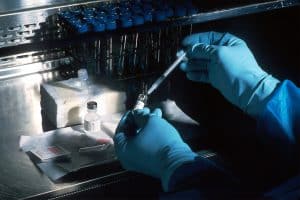
This forensic science summer program runs for five full days on the University of Delaware campus, where you learn how to analyze physical evidence and explore DNA profiling and basic toxicology methods. Instructors guide you through the steps used to document, preserve, and interpret evidence.
This program is open to rising sophomores, juniors, and seniors who have completed at least one high school science course before attending. The program does not include housing.
5. Quinnipiac University Forensic Science: Crime Scene Investigation
- Dates: July 6 – 17, 2026
- Location: Hamden, Connecticut
- Cost: $3,700 residential; $2,700 commuter
The Quinnipiac University Forensic Science: Crime Scene Investigation program is one of the most interactive forensic science summer programs available to high school students. While the program does not publish an acceptance rate, the site states that most courses are capped at 30 participants but may enroll fewer students based on equipment and lab space.
This forensic science summer program runs for two weeks on Quinnipiac’s campus. Classroom discussions introduce core techniques, while lab sessions allow you to apply them in realistic settings.
A central feature of this forensic science summer program is its mock crime scene simulation, where you work with your group to build a complete case narrative.
For eligibility, participants must be current high school students, typically between 15 and 18 years old at the start of the program. Students must also indicate whether they will join as residential or commuter attendees during registration.
6. Embry-Riddle Forensic Science Summer Camp
- Dates: June 7, 2026 – June 12, 2026; July 5, 2026 – July 10, 2026; July 12, 2026 – July 17, 2026
- Location: Prescott, Arizona
- Cost: $1,700
The Embry-Riddle Forensic Science Summer Camp is one of the most hands-on forensic science summer programs for high school students since it allows you to work through real forensic procedures in a controlled training environment.
The camp runs as a residential experience on Embry-Riddle’s Prescott campus, where you learn to work with tools used in real forensic environments—such as microscopy equipment and forensic testing kits.
A defining feature of this forensic science summer program is the simulated crime scene workflow, which can show you how each piece of evidence fits into a larger investigative narrative.
This program is open to high school students aged 14 to 18.
7. Boston Leadership Institute Forensic Science Program
- Dates: June 22 – July 10, 2026
- Location: Boston, Massachusetts
- Cost: $699 – $2,500 tuition
The Boston Leadership Institute Forensic Science Program allows you to choose between a focused one-week program or the more in-depth three-week program, depending on how deeply you want to engage with the material. The one-week option offers a fast-paced introduction to core forensic concepts, while the three-week option allows you to explore forensic science in much greater detail.

A central focus of this residential forensic science summer program is applied analysis. You examine simulated crime scenes, interpret physical evidence, and develop case conclusions using scientific reasoning.
This program is open to high school students with a serious interest in forensic studies. While most participants are rising juniors and seniors, younger students with strong preparation may also be accepted.
8. UCLA / Summer Springboard Forensic Science Program
- Dates: June 21 – July 3, 2026; July 5 – July 17, 2026; July 19 – July 31, 2026
- Location: Los Angeles, California
- Cost: $5,998
The UCLA / Summer Springboard Forensic Science Program runs over two weeks and takes place on UCLA’s campus.
A major highlight of this forensic science summer program is the full crime scene simulation. You work as part of a team to examine a staged scene, document evidence, and develop investigative conclusions. These activities mirror the workflow used by real forensic units.
You also practice presenting your findings in a formal setting, improving your ability to explain technical evidence clearly and logically.
This program is open to high school students who want strong academic exposure to forensic science. Residential participants stay in UCLA housing and experience campus life. Commuter students attend daily sessions without housing.
9. Roger Williams University Forensic Science Summer Camp
- Dates: July 12 – 17, 2026; July 19 – 24, 2026
- Location: Bristol, Rhode Island
- Cost: $1,995 (includes tuition, room, and board)
The RWU Forensic Science Summer Camp allows you to spend a full week working in laboratory settings that simulate real forensic environments. For the 2024 session, the program only enrolled 16 campers.
In this camp, you move through each stage of forensic investigation in a logical sequence. Each lesson connects to a broader mock investigation that progresses throughout the week.
A notable feature of this forensic science summer program is its use of technology. You engage in virtual reality crime scene simulations that allow you to practice scene reconstruction and evidence evaluation. This gives you a controlled space to refine your observation and decision-making skills.
This residential program is open to high school students in grades 10 to 12. No prior forensic experience is required, though a strong interest in science is encouraged.
10. Xavier University CSI Forensics Camp
- Dates: June 15 – 19, 2026
- Location: Cincinnati, Ohio
- Cost: $395 early rate; $445 standard rate
The Xavier University CSI Forensics Camp is one of the more accessible forensic science summer programs for high school students who want focused, hands-on exposure. It is structured as a day camp and offers a practical introduction to how real crime scenes are examined and processed.
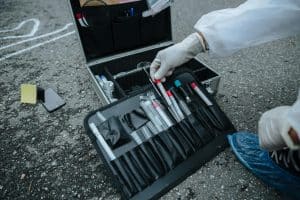
This forensic science summer program runs over five consecutive days on Xavier’s campus. The schedule combines short instructional segments with active lab exercises, allowing you to apply what you learn almost immediately.
This commuter program is open to high school students in grades 10 to 12. No prior forensic training is required, but a strong interest in forensic science is recommended.
Frequently Asked Questions
1. What are the best forensic science summer programs for high school students?
The best forensic science summer programs include NSLC Forensic Science Program, Georgetown University Forensic Investigation Academy, Boston Leadership Institute Forensic Science Program, and UCLA / Summer Springboard Forensic Science Program. These forensic science summer programs provide structured training in crime scene analysis and investigative techniques.
2. Are there free forensic science summer programs for high school students?
Some forensic science summer programs offer scholarships or limited funding, while others run at low cost through public universities. Availability depends on each institution and varies by year.
3. What subjects do forensic science summer programs typically cover?
Forensic science summer programs commonly cover crime scene investigation, fingerprint analysis, bloodstain patterns, trace evidence, forensic biology, and basic toxicology. Some programs also include forensic anthropology and legal procedures.
4. How can forensic science summer programs help with college admissions?
Forensic science summer programs help with college admissions by letting you show your ability to handle applied scientific work and structured investigation. They strengthen your academic profile and signal serious interest in forensic or criminal justice fields.
5. When should I apply for forensic science summer programs?
Most forensic science summer programs open applications in late fall and close in early spring. You should start researching forensic science summer programs by early fall to prepare materials and meet deadlines comfortably.
Takeaways
- Forensic science summer programs give you hands-on experience with real evidence processing, crime scene analysis, and structured investigative work. You learn how professionals approach complex forensic cases with precision and care.
- Programs such as NSLC, Georgetown, and Boston Leadership Institute stand out for their academic depth, while several forensic science summer programs also offer scholarships or partial financial support.
- You benefit from direct guidance by faculty and forensic professionals who help refine your observation skills, analytical reasoning, and technical reporting ability.
- Completing forensic science summer programs for high school students shows strong focus, scientific readiness, and serious interest in forensic or criminal justice pathways.
- If you want strategic help choosing the right forensic science summer programs, a college admissions consultant can help align your selections with long-term academic goals.