Wellesley Application Deadlines: Key Dates for 2025-2026

September 25, 2025

By Eric Eng

Founder/CEO of AdmissionSight
BA, Princeton University

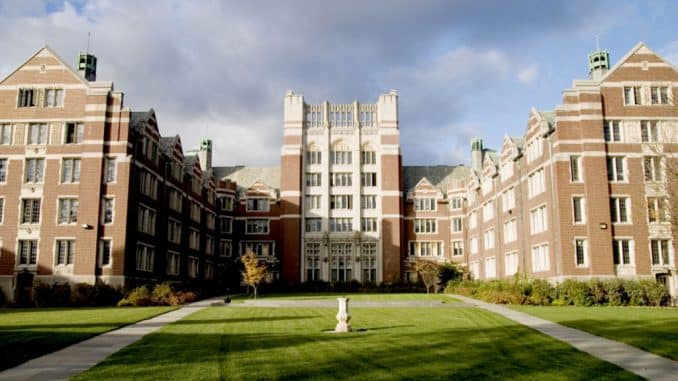
in front of the Wellesley building with the Wellesley application deadline

Applying to Wellesley College means carefully understanding your admissions options and keeping track of each Wellesley application deadline. Whether you’re considering Early Decision I, Early Decision II, or Regular Decision, knowing the key dates, decision release timelines, and financial aid requirements is essential for success. This guide also highlights transfer deadlines and provides a clear, step-by-step process to help you stay organized from start to finish.

When Is Wellesley Application Due?

Wellesley College offers multiple admissions pathways for first-year applicants, each with its own timeline. These include two rounds of Early Decision (binding) and the Regular Decision option (non-binding).

Before diving into each route, here are the key Wellesley application deadlines to note:

Application Route Deadline
Early Decision I November 1
Early Decision II January 5
Regular Decision January 8

Wellesley Early Decision Deadline

Wellesley does not offer an Early Action plan, but having two Early Decision rounds gives committed applicants a second chance.  Below is a timeline of important Early Decision Round I dates for the 2025–2026 admissions cycle:

Date Event
August 1 Application opens
November 1 ED I application deadline
Mid-December Decision notification
Early January Reply/deposit deadline

Meanwhile, here are the important Early Decision II dates:

Date Event
August 1 Application opens
January 5 ED II application deadline
Mid-February Decision notification
Late February Reply/deposit deadline

What is Wellesley Early Decision?

Early Decision at Wellesley is binding, designed for students who are absolutely certain that Wellesley is their top choice. By applying ED, you, a parent or guardian, and your counselor must sign the Early Decision Agreement, confirming that if admitted, you’ll enroll at Wellesley and withdraw all other college applications.

Because you can apply Early Decision to only one school, it’s a serious commitment. In return, you’ll receive an earlier decision. The Wellesley application deadline for ED I is November 1 with results in December, while ED II applicants apply by January 1 and hear back by mid-February.

Wellesley Early Decision acceptance rate

Wellesley College’s Early Decision acceptance rate for the Class of 2028 was 29.8%, with 308 students admitted out of 1,033 applicants. This is nearly identical to the 30.2% ED rate for the Class of 2027, showing relative stability. However, it marks a decline from the 39.4% rate for the Class of 2024, reflecting how competition has intensified over time.

Applying by the Wellesley application deadline for Early Decision can still give you a strategic advantage, but it’s important to remember that the process remains highly selective.

Wellesley Regular Decision Deadline

Regular Decision is the standard admissions round at Wellesley. It has the latest deadline, giving you the fall of senior year to polish your application, take additional tests if you choose, and include mid-year grades.

The Wellesley application deadline for Regular Decision is in early January, with decisions released in late March. Here is the application timeline for Regular Decision:

Date Event
August 1 Application opens
January 8 Regular Decision deadline
Late March Decision notification
May 1 Reply deadline

What is Wellesley Regular Decision?

Regular Decision at Wellesley is non-binding, giving you the flexibility to apply to multiple schools and decide later which to attend. The Wellesley application deadline for RD is January 1, and this later timeline allows you to include mid-year senior grades, fall test scores (if submitted), and recent achievements in your application.

Wellesley takes a holistic approach to admissions, reviewing academics, extracurriculars, essays, recommendations, and personal background. The college remains test-optional through the 2025–26 cycle, and nearly half of recent enrolling students didn’t submit SAT/ACT scores. Instead, Wellesley places strong weight on writing and quantitative skills shown through coursework and essays.

Because many spots are filled during ED rounds, the RD admit rate is even lower. With thousands applying and only a fraction admitted, you’ll need a standout application that demonstrates academic strength, leadership, and alignment with Wellesley’s values. If Wellesley is your top choice and you’re ready early, ED may give you a slight advantage, but RD provides the chance to present your strongest profile after first semester senior year.

Wellesley Regular Decision acceptance rate

Wellesley College’s Regular Decision acceptance rate for the Class of 2028 was 11.9%, with 916 students admitted out of 7,681 applicants. While this reflects a slight increase from the previous two years, RD remains extremely competitive, with many spots already filled through Early Decision.

Meeting the Wellesley application deadline for RD is just one part though, since successful applicants will need more than strong grades. Compelling essays, impactful extracurriculars, and persuasive recommendations are crucial to stand out in such a selective process.

How to Apply to Wellesley

Before you start filling out forms or writing essays, it’s important to understand exactly what Wellesley expects from each applicant. Being organized and knowing the required materials will help you plan ahead and avoid last-minute stress. Below, we break down Wellesley’s application requirements and then outline a step-by-step application process.

Wellesley admission requirements

Understanding Wellesley’s admission requirements is key to submitting a strong application. Knowing what Wellesley looks for will help you present your best self and maximize your chances of admission.

  • Application and fee. Apply via the Common App, Coalition App (Scoir), or QuestBridge. There’s no application fee, since it’s free for all students.
  • Essays. Two required: the personal essay (650 words, Common/Coalition prompts) and the Wellesley-specific essay (around 400 words) on working with people from different backgrounds.
  • High school transcript. The counselor submits the transcript (grades 9–11 + any senior grades) and School Report.
  • Letters of recommendation. Two teacher recommendations from core subjects (preferably 11th or 12th grade). The counselor’s recommendation is included with the School Report.
  • Standardized test scores (optional). Test-optional for Fall 2026 entry.
  • Mid-year and final grades. ED applicants submit a progress report (first quarter/trimester).
  • Arts portfolio (optional). Available for visual art, music, or theater (not dance or creative writing).
  • Financial aid application. Separate process, but deadlines align with admission rounds. Submit FAFSA + CSS Profile (U.S. students) or CSS Profile + required supplements (international students).

a photo of a building at Wellesley with the Wellesley application deadline

Wellesley application process

Below, we’ve outlined the Wellesley application process to guide you step by step, from selecting your application plan to submitting essays and recommendations, helping you stay organized and on track:

1. Choose your application platform.
Apply through the Common Application, Coalition Application (Scoir), or QuestBridge. Add Wellesley to unlock the school-specific questions.

2. Complete the application and essays.
Fill out all sections, including academics, activities, and honors. Write both the personal essay and the Wellesley-specific essay. Make sure your essays reflect your voice, clearly describe your personal experience, and highlight how you’ll contribute to the Wellesley community.

If you’re looking for extra support, we provide expert, personalized guidance to help your essays shine and ensure your story truly stands out in the admissions process.

3. Request recommendations and transcripts early.
Ask your counselor and teachers well before the Wellesley application deadline (Nov 1 for ED I, Jan 5 for ED II, Jan 8 for RD). Counselors submit transcripts and the School Report, while two teachers from core subjects give their recommendation letters.

4. Submit your application on time.
Aim to submit a day or two before the official Wellesley application deadline to avoid technical issues. ED applicants must also complete the binding Early Decision Agreement with signatures from you, a parent, and your counselor.

5. Track your application status.
Use the Wellesley Applicant Portal (you’ll get login info after applying) to monitor received materials, upload optional supplements (like an arts portfolio that’s due one week after the main application’s deadline), and eventually view your decision.

6. Await your decision.

Here are the decisions you could receive:

  • Admit. ED admits must enroll and withdraw other applications, while RD admits decide by May 1.
  • Deferred. Your application rolls into the RD pool; you’re no longer bound to ED.
  • Waitlist. You may opt in after March; spaces are limited and offers may come later in spring or summer.
  • Deny. The decision is final for that cycle; focus on schools that admitted you or consider applying to transfer later.

Wellesley Transfer Deadline

Each year, Wellesley enrolls a small number of transfer students, including women in the Davis Degree Program (Wellesley’s program for non-traditional-aged students), for entrance in the fall semester.

Wellesley accepts transfer applications for the fall term only. Here are the key Wellesley application deadlines and dates for transfer applicants:

Date Event
March 1 Application due
Within one week of deadline Supporting materials
Late March Self-reported midterm Grades
April 1 Financial aid materials
Early May Decision notification
June 1 Reply/deposit deadline
June 15 Final college transcript

For Fall 2024, Wellesley College received 386 transfer applications, admitting 37 students, with 15 enrolling. This results in a 9.6 % acceptance rate and 40.5 % yield, highlighting the competitiveness of Wellesley’s transfer process.

You’re considered a transfer if you’ve completed at least two full semesters (one academic year) of college after high school graduation. Most transfers enter as sophomores or juniors. Wellesley requires at least two years (four semesters) in residence to earn a degree, so senior transfers and students who already hold a bachelor’s degree are not eligible.

If you’ve completed more than two years of college coursework, you may need to forfeit some credits, since Wellesley doesn’t accept students too close to graduation. All Wellesley students attend full-time and in-person, so be prepared to commit to a full-time campus experience.

In addition to traditional transfers, Wellesley welcomes applicants to the Davis Degree Program, designed for women 24 and older or those who paused their education. Veterans, parents, and returning students are often strong Davis candidates. You’ll follow the same process and Wellesley application deadline, simply indicating your Davis status on the application.

To be eligible, you need to:

  • Have finished at least two full-time semesters at a U.S. college or university (about eight Wellesley credits).
  • Be entering as a sophomore or junior and plan to spend at least two years (16 units) at Wellesley.
  • Not already hold a bachelor’s degree and not apply from an online institution since Wellesley only accepts transfers from accredited U.S. schools.
  • Students under 24 at non‑U.S. colleges must apply as first-years. Nontraditional applicants (age 24+, parents, or veterans) should use the Davis Degree Program.

You’ll need to submit:

  • The Common Application for Transfer (no Coalition or QuestBridge)
  • Official transcripts from every college you’ve attended and an official final high‑school transcript or GED
  • A College Report completed by your academic advisor or dean, verifying good standing
  • Course descriptions for all completed and current courses
  • Two instructor recommendations from recent college courses; if you’ve been out of school, one can come from an employer
  • A Midterm Report with current grades if you’re enrolled in courses
  • Optional items: standardized test scores, an arts portfolio in visual arts, music, or theatre submitted via the Applicant Portal within one week of the deadline, and athletic‑recruiting forms if you’re interested in varsity sports

Beyond meeting these requirements, successful transfers present a compelling reason for changing schools, strong grades in rigorous coursework, and recommendations that highlight intellectual curiosity, leadership, and engagement with their community. The essays should convey what you hope to gain from Wellesley and how you will contribute to its mission.

2 female students talking with their male friend about the Wellesley application deadline

Wellesley Financial Aid Deadline

Wellesley College’s financial aid program is deeply committed to affordability, meeting 100% of every admitted student’s demonstrated need. Most aid comes in the form of need-based grants, with many lower- and middle-income students receiving significant support.

For families below certain income levels, Wellesley even removes loans from financial aid packages. Unlike some colleges, Wellesley does not offer separate merit scholarships, so all aid is awarded strictly on the basis of need. Both U.S. and international students may apply for need-based aid, though funding for international students is more limited.

Missing the Wellesley application deadline for aid won’t affect admission, but it can delay or reduce your award.

Application Round CSS Profile and FAFSA Deadline Financial Aid Decision
Early Decision I November 1 Mid-December
Early Decision II January 5 Late February
Regular Decision January 15 Late March

International applicants must also submit the CSS Profile by the relevant Wellesley application deadline if they are applying for financial aid. In some cases, Wellesley may require additional documents (such as the International Student Financial Aid Application or a Certification of Finances form), so it’s important to check the official international aid instructions for your situation.

Deadlines typically align with the admission round (Nov 1 for ED I, Jan 5 for ED II, Jan 15 for RD), though transfer and Davis Scholar applicants from abroad may have slightly different dates.

Submitting the FAFSA (for U.S. federal aid like Pell Grants, federal loans, and work-study) and the CSS Profile (for Wellesley’s need-based grants) ensures a complete review of your eligibility.

If your parents are divorced or separated, note that financial details from both parents are required unless you qualify for a waiver. Since these forms often require gathering detailed tax and financial documents, it’s wise to start early and submit them by your admission round’s Wellesley application deadline.

Frequently Asked Questions

1. What if I miss the Wellesley application deadline?

If you miss the Wellesley application deadline, your application will not be considered for that admissions round, and late submissions are rarely accepted. You’ll likely need to wait until the next available deadline (for example, moving from Early Decision I to Early Decision II or Regular Decision, or from this year to the next cycle).

2. Can I apply to other schools if I choose Wellesley Early Decision?

If you apply to Wellesley under Early Decision, you may still apply to other colleges through their Regular Decision or rolling admission plans. However, because Early Decision is binding, you must agree to attend Wellesley if admitted and withdraw all other applications.

This means you can keep applications open elsewhere while waiting for your ED decision, but if you’re accepted to Wellesley, you’re committed to enroll and cannot pursue those other schools. However, if you’re deferred or denied, you’re free to continue with your other applications.

3. Does applying early improve my chances of getting in?

Yes, like many selective colleges, Wellesley admits a larger percentage of its incoming class through the Early Decision rounds compared to Regular Decision. For example, the ED acceptance rate has historically been higher than the RD rate, partly because ED applicants demonstrate a clear commitment to enroll if admitted.

However, keep in mind that the process is binding, so you should only apply Early Decision if Wellesley is your top choice and you’re ready to commit by the Wellesley application deadline.

4. Do I need to submit SAT or ACT scores to apply to Wellesley?

No. The college is test-optional through the 2025–2026 admissions cycle, which means you can decide whether or not to include scores in your application. Choosing not to submit test scores will not disadvantage you in the admissions process since Wellesley places greater emphasis on your academic performance, essays, recommendations, and extracurriculars.

5. Is financial aid available for international students?

Yes, financial aid is available for international students at Wellesley, but it is limited and highly competitive. Wellesley is need-blind for U.S. citizens and permanent residents, but it is need-aware for international applicants.

This means that when reviewing applications from international students, the admissions committee considers your request for aid as part of the decision process.

students of different races in a classroom listening to their teacher talk about the Wellesley application deadline

Takeaways

  • Staying organized with every Wellesley application deadline, along with the corresponding financial aid dates, is crucial if you want your application to be both complete and competitive.
  • Regular Decision deadline is January 8.
  • Early Decision deadline is November 1.
  • Transfer application deadline is March 1.
  • Financial aid materials are due by November 1 for Early Decision and January 15 for Regular Decision.
  • If you want to stay on track and maximize your chances of getting accepted, a college admissions consultant can help you navigate every step of the process and meet all deadlines confidently.

Leave a Comment

Your email address will not be published. Required fields are marked *

Sign up now to receive insights on
how to navigate the college admissions process.

[bbp_create_topic_form]