


Choosing the right school can influence everything from your academic growth to your college readiness and extracurricular experiences. So if you’re starting to think about high school options, you’ve probably wondered about the differences between a private school vs public school and which one might be the best fit for you. After all, both offer valuable opportunities but in very different ways.
This guide breaks down everything you need to know about the 5 major differences between private schools vs public schools—including funding, curriculum, class sizes, diversity, and extracurricular opportunities—to help you make the most informed decision for your future.
- 5 Major Differences Between Public and Private Schools
- Public vs Private School: Funding and Cost
- Public vs Private School: Curriculum and Academic Flexibility
- Public vs Private School: Class Size and Teacher-Student Ratio
- Public vs Private School: Admissions and Diversity
- Public vs Private School: Facilities and Extracurricular Opportunities
- Private School vs Public School Pros and Cons
- Frequently Asked Questions
- Takeaways
5 Major Differences Between Public and Private Schools
According to the National Center for Education Statistics (NCES), about 49.4 million students in the U.S. attend public schools, while 4.7 million go to private schools. That means roughly 90% of American students attend public schools, while about 10% attend private schools—showing how both play an important role in shaping K–12 learning across the country.

Both types of schools offer valuable experiences but differ in key ways. But when families start comparing private school vs public school, five key areas usually make the biggest difference:
- Funding and cost. Public schools are funded by taxes and offer free tuition. Private schools charge tuition but may provide scholarships or financial aid.
- Curriculum and academic flexibility. Public schools follow state standards, while private schools have more freedom to design unique or specialized programs.
- Class size and teacher-student ratio. Public schools usually have larger classes. Private schools keep classes smaller, giving students more personal attention.
- Admissions and diversity. Public schools welcome all students in their district, creating diverse communities. Private schools have more selective admissions, which can make them less diverse.
- Facilities and extracurricular opportunities. Public school resources vary by district. Private schools often have newer facilities and more extracurricular options.
These five major differences between public and private schools shape everything from classroom resources to peer communities. Below, we’ll take a closer look at the key differences and a few similarities between the two.
Public vs Private School: Funding and Cost
Funding shapes what students see every day—from class sizes to devices to after-school offerings—so it’s central to private school vs public school comparisons.
Public school funding
In public schools, funding usually depends on government support to operate, and that funding directly affects class sizes, teacher resources, and student programs. After all, more support means a school has more funds to handle larger class sizes and more student programs. Here’s a quick look at where the money comes from:
- Local property taxes. Most of a school’s funding comes from local taxes. Schools in wealthier areas often have newer facilities and more programs, while those in lower-income communities may have fewer resources.
- State budgets. States add extra funding to help balance differences between districts, covering teacher salaries, textbooks, and building upkeep.
- Federal programs. Federal aid supports specific needs through initiatives like Title I for low-income students and IDEA for special education services.
Private school funding
Private schools, on the other hand, don’t rely on government funding. They use other sources to run more specialized programs and maintain smaller class sizes.
- Tuition fees. The main source of income, covering classroom instruction, staff pay, and student services.
- Donations and endowments. Gifts from families, alumni, and donors help fund scholarships, new buildings, and innovative programs.
- Alumni and community support. Continued contributions help schools launch new initiatives or expand facilities.
Impact on educational quality
Funding plays a big part in shaping what students experience at school. While money isn’t the only thing that defines success, it often determines the kind of learning tools, teachers, and opportunities a school can provide.
Here’s how funding can make a difference:
- Technology access. Well-funded schools can provide up-to-date devices, labs, and digital learning tools.
- Teacher compensation. Competitive salaries help schools attract and keep passionate, qualified educators.
- Specialized staffing. More resources mean access to counselors, academic coaches, and enrichment specialists.
- Extracurricular breadth. Strong funding supports a wider range of clubs, sports, and arts programs.
- Overall resources. While cost doesn’t always define quality, it often determines the range of opportunities a school can provide.
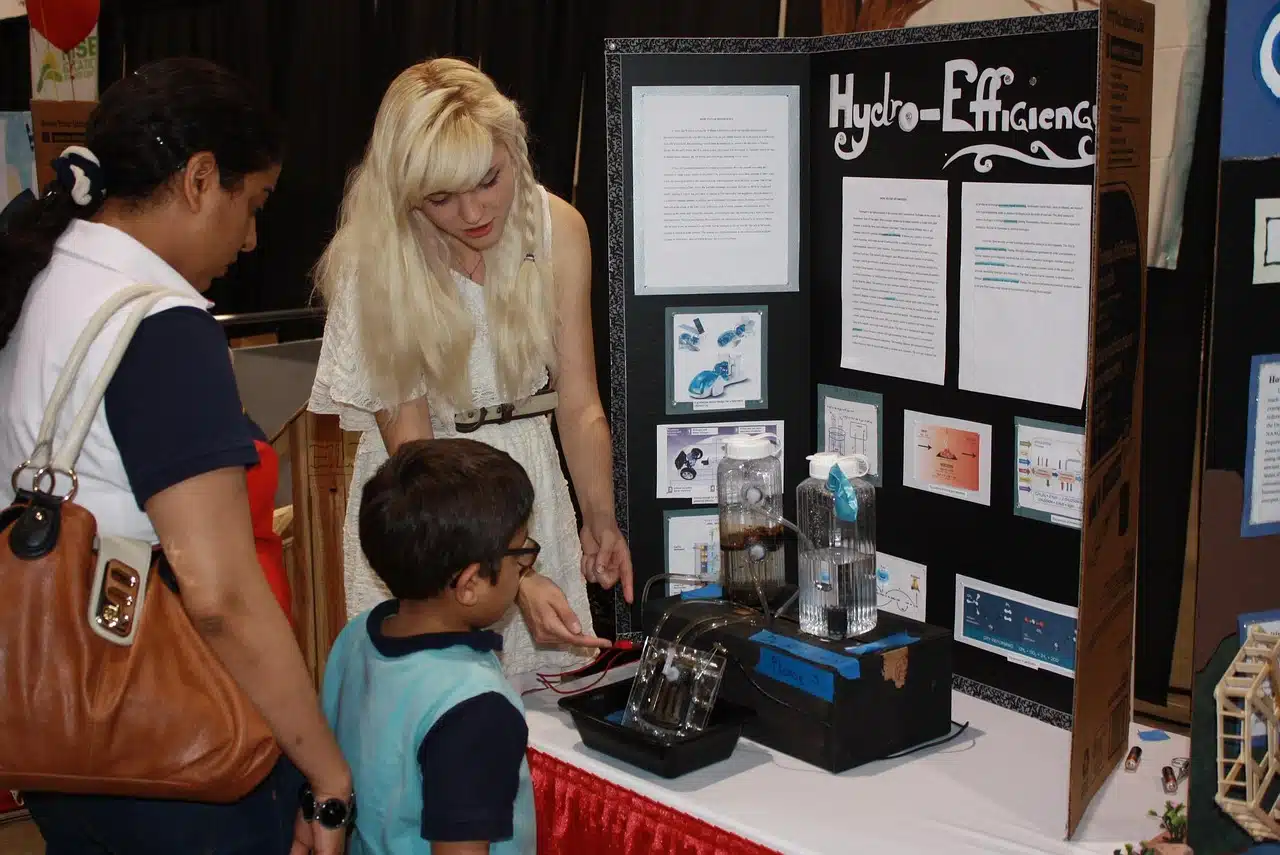
Both public and private schools can provide excellent education when they use their resources wisely. A well-funded public school might offer the same advanced programs as a private one, while smaller private schools can deliver a personal, close-knit experience that’s hard to find elsewhere.
Public vs Private School: Curriculum and Academic Flexibility
The next difference between private school vs public school is the curriculum. It pertains to what students learn, how classes are taught, and how much flexibility schools have to shape learning.
Standardized vs. independent curriculum
Public schools follow a standard curriculum. This state education standards means all students learn a consistent set of subjects like math, English, science, and history.
This structure helps maintain accountability and ensures every student meets certain academic goals, no matter where they live. However, it can sometimes limit how much teachers can change or personalize what they teach.
Private schools, on the other hand, have independent curriculum. This means they have more freedom to design their own programs. They can create interdisciplinary or project-based courses, introduce unique electives, or include faith-based or values-centered learning.
Because they aren’t tied to state requirements, private schools can quickly adapt their lessons to new ideas and student interests. This flexibility is often seen as one of their biggest strengths in the private school vs public school pros and cons discussion.
Specialized academic opportunities
Despite their difference in curriculum, public schools also offer a wide range of programs for every type of student. They can also provide plenty of challenging opportunities, especially in large districts with strong academic funding. These schools focus on preparing students for both college and real-world careers through a wide variety of specialized programs, such as:
- Dual-enrollment programs. Let students take college classes in high school and earn both high school and college credit.
- Career and Technical Education (CTE). Hands-on courses that teach job-ready skills in areas like business, healthcare, and engineering.
- STEM academies. Specialized programs centered on science, technology, engineering, and math with labs and team projects.
- Arts academies. Focused programs in visual arts, music, theater, or dance often run in collaboration with local communities or universities.
Meanwhile, private schools often emphasize depth and independence in learning. Students are often encouraged to explore their passions early and prepare for college-level work in a supportive, close-knit environment. Depending on your long-term career growth, you can take on advanced classes such as:
- International Baccalaureate (IB). A globally recognized program that encourages critical thinking, cultural understanding, and independent research.
- Advanced Placement (AP). College-level classes that let students earn credits before stepping onto a college campus.
- Honors seminars. Smaller, discussion-based courses that promote deep exploration of advanced topics.
- Research projects. Independent or guided projects that build problem-solving and academic research skills.
- Religious studies. Faith-based or values-driven classes that reflect the school’s mission and philosophy.
If you love structure and variety, a public school might be the right match. But if you prefer smaller classes and unique subjects, a private school might give you more room to explore.

Teacher autonomy and innovation
Teachers play a huge role in shaping how students learn and grow—and their ability to teach creatively can look very different in private school vs public school settings.
In private schools, teachers usually enjoy more freedom to shape their lessons and try new approaches. Educators tend to be more creative and adaptable to their students’ learning styles and interests.
Here’s what that can look like in practice:
- Curriculum design. Teachers can create original classes like Environmental Ethics or Global Entrepreneurship that go beyond typical subjects.
- Project-based learning. Students might run mock businesses, produce podcasts, or conduct real-world research as part of their coursework.
- Cross-disciplinary lessons. Teachers from different subjects often collaborate—like combining literature and history in a “Voices of Change” course.
- Alternative assessments. Instead of relying only on tests, teachers may use portfolios, presentations, or creative essays to evaluate progress.
Public school teachers, on the other hand, follow lessons aligned with state standards and standardized tests, which helps make sure every student (no matter where they live) has access to a strong academic foundation.
But that doesn’t mean public school teachers lack creativity. Many schools still actively encourage innovation through:
- Collaborative teaching teams. Teachers share lesson plans and new ideas in Professional Learning Communities (PLCs).
- Grant-supported initiatives. Programs like STEM labs, robotics clubs, or digital learning pilots let teachers experiment with new tools and teaching methods.
- Technology integration. Schools use tools like Google Classroom, smart boards, and educational apps to make learning interactive and engaging.
- Professional development. Teachers regularly attend workshops to stay updated on modern teaching strategies, like AI integration or mental health-aware education.
While they work within a more structured system, public school teachers often pioneer large-scale innovations that benefit thousands of students across their districts.
Both environments encourage innovation, just in different ways. Private schools promote creativity through flexibility, while public schools focus on equity and consistency.
Public vs Private School: Class Size and Teacher-Student Ratio
When comparing private schools vs public schools, another difference you’ll notice is class size. Private schools generally offer smaller, more personalized settings, while public schools often have larger, more diverse classrooms that encourage collaboration and adaptability.
Smaller class sizes in private schools
Private schools are known for their low student-to-teacher ratios, which often range from 10:1 to 15:1 on average, according to Research.com. Some elite private high schools even keep classes below 12 students per teacher, allowing for more personalized instruction and mentorship.
With fewer students, teachers can give more detailed feedback, support different learning styles, and form closer academic relationships.
Larger classes in public schools
In public schools, class sizes tend to be larger, typically averaging 16:1 to 23:1, depending on the state, district funding, and grade level. Some urban schools or specialized programs (like AP or magnet tracks) may offer smaller classes, while general education sections often have more students.
Although bigger classrooms mean teachers divide their attention among more students, they also bring unique strengths: broader peer diversity, dynamic discussions, and exposure to different viewpoints.

Impact on student learning
Smaller private school classes often foster active participation and stronger student-teacher relationships, which can lead to more engagement and academic confidence.
On the other hand, larger public school environments help students build collaboration and adaptability skills while offering access to more electives, extracurriculars, and social opportunities. You’ll also be exposed to more diverse viewpoints.
Both settings have their strengths—what matters most is finding the environment where you can thrive academically and personally in the private school vs public school journey.
Public vs Private School: Admissions and Diversity
The fourth big difference comes down to admissions—who gets to attend and how. Admissions policies shape the mix of students in a school, which in turn affects the overall culture, expectations, and perspectives you’ll find there.
The process looks very different between the two systems, and it often influences where students feel they’ll fit best in private school vs public school environments.
Admissions requirements
Admissions policies are one of the clearest distinctions between private schools vs public schools, especially when it comes to academic requirements and how students are selected.
Public schools are open to everyone within a district, so the admissions process is usually simple and straightforward:
- Residency verification. Students typically attend the school in their local area, though some districts allow transfers or applications to magnet or charter schools.
- Grade placement. Determined by age, previous school records, and teacher recommendations.
- Basic paperwork. Families need to submit enrollment forms, immunization records, and proof of residence.
- Special programs. Magnet or charter schools may ask for a short application or interest form, academic records or test scores for selective programs, and lottery participation if spaces are limited.
Meanwhile, private schools tend to have a more detailed admissions process since they build smaller, mission-focused learning communities.
- Application form. The first step, where students and families share basic information.
- Personal essay or statement. A chance for students to express their goals, passions, and reasons for applying.
- Academic transcripts. Schools review past grades and teacher comments to understand academic performance.
- Recommendation letters. Usually from teachers or mentors who can speak to a student’s character and work ethic.
- Entrance exams. Many schools require the SSAT, ISEE, or their own tests to assess readiness.
- Interview. A friendly conversation—often with admissions staff or teachers—to see how well the student might fit the school culture.
- Extra materials. Some schools ask for portfolios, writing samples, or lists of extracurricular activities.
Socioeconomic and cultural diversity
Because public schools serve local communities, they tend to reflect the economic, racial, and cultural diversity of their neighborhoods. Nationally, about 55% of U.S. public school students are from minority backgrounds, according to NCES data in 2022.
Private schools, while increasingly diverse, still have a different demographic profile. Roughly two-thirds of private school students identify as white, and only a portion come from lower-income families.
Private school tuition averages around $12,790 per year nationwide, based on Education Data Initiative figures, though costs can vary widely by location and school type. For top boarding schools, tuition can climb to $60,000 or more annually.

While that price tag may seem steep, many private schools are working to make education more inclusive by offering financial aid and actively welcoming students from diverse backgrounds.
Financial aid’s role in accessibility
One of the biggest myths in the private school vs public school discussion is that private education is only for wealthy families. In reality, many private schools actively work to make their programs more accessible through different types of financial assistance.
Here are some of the most common kinds of aid offered:
- Need-based financial aid. Support for families who qualify based on income and financial circumstances.
- Merit scholarships. Awards given for academic excellence, artistic talent, or athletic achievement.
- Sibling discounts. Reduced tuition for families with more than one child enrolled.
- Full or partial tuition coverage. Some schools cover a significant portion (or even all) of tuition for eligible students.
- Sliding-scale tuition. Tuition rates adjusted according to household income.
- External scholarships. Additional support from local organizations, community foundations, or faith-based groups.
According to a report from US News from the Education Data Initiative, about 28% of private school students nationwide receive some form of financial aid—and that percentage is even higher at many top schools. This means private education is often more affordable than families assume.
Public vs Private School: Facilities and Extracurricular Opportunities
Lastly, campus life—from facilities to extracurriculars—plays a big part in helping students build confidence, friendships, and leadership skills. Both private and public schools offer unique opportunities outside the classroom that shape the overall high school experience. Here’s how their facilities and activities typically compare:
Private school facilities
Private schools are often known for their impressive campuses and modern resources. Many feature state-of-the-art STEM labs, theaters and arts centers, athletic complexes, and even innovation spaces like robotics labs or design studios.
These environments give students the chance to experiment, perform, and explore in ways that go beyond textbooks. Because private schools rely on tuition and donations, they often have more flexibility to upgrade their facilities and create specialized programs that reflect their school’s mission or focus—whether that’s science, the arts, or global studies.
Public school extracurricular scope
Public schools, with their larger student populations, tend to offer a wider variety of extracurricular options. Students can join everything from traditional sports teams and marching bands to robotics clubs, esports teams, coding programs, or JROTC units.
Because there are often more students and teachers, public schools can support a greater number of clubs, electives, and interest-based programs. This means students can explore different paths, meet diverse peers, and even find niche activities that match their personal goals.
Opportunities for leadership and growth
Both public and private schools give students plenty of ways to step up, explore their passions, and grow as leaders. These experiences help build confidence, teamwork, and real-world skills that go far beyond the classroom.

Here are a few common opportunities you might find:
- Student government. Represent your classmates, plan events, and learn how to lead and collaborate.
- Community service projects. Volunteer and make a difference, whether it’s organizing food drives or helping local charities.
- Academic competitions. Challenge yourself in debate, science fairs, math leagues, or writing contests.
- Internships and capstone projects. Get hands-on experience and see how your learning in class connects to future careers.
- Clubs and organizations. Join or even start a club based on your interests—arts, robotics, culture, or advocacy.
- Peer mentoring. Help younger students succeed while building empathy and leadership skills.
In the end, the best environment is the one that fits your learning and leadership style. Some students shine in smaller, tight-knit private schools where teachers know everyone personally, while others thrive in larger public schools that offer a wider range of programs, teams, and opportunities to connect.
Private School vs Public School Pros and Cons
To make the process of choosing between private school vs public school easier, it helps to look at the key differences side by side. Here’s a quick overview to guide your private school vs public school pros and cons review:
| Category | Public School | Private School |
| Cost | Free tuition, funded by local and state government | High tuition; scholarships and financial aid may help lower the cost |
| Curriculum | Follows state education standards | Flexible, specialized, or faith-based curriculum |
| Class Size | Larger average sizes | Smaller classes, more one-on-one attention |
| Diversity | Socioeconomically and culturally diverse | Varies; often less diverse without strong aid programs |
| Facilities | Dependent on district funding | Often modern, specialized, and well-funded |
How to choose the best fit
Once you’ve compared the basics, it’s time to think about what works best for you. Here are a few steps to help personalize your private school vs public school decision:
- Evaluate academic goals and learning style. Do you thrive in structure and consistency, or do you prefer flexibility and creativity?
- Compare costs and financial aid. Research tuition, scholarships, and grants to create a realistic private school vs public school budget.
- Visit schools and observe the culture. Take a tour, sit in on a class, and talk with current students or counselors to get a real sense of the environment.
- Consider logistics and extracurricular access. Think about commute times, after-school options, and how each school supports your interests.
- Align as a family. Discuss priorities together and identify your top three must-haves—whether that’s academic rigor, affordability, community, or opportunities for leadership.
In the end, there’s no one-size-fits-all answer. The best choice between private school vs public school is the one that helps you feel supported, challenged, and excited to learn every day.
Frequently Asked Questions
1. What are the major differences between public and private schools?
The major differences come down to funding, curriculum, class size, admissions, and extracurricular opportunities. Public schools are free and community-based, while private schools offer smaller classes and more flexibility in what and how students learn.
2. How much does private school cost compared to public school?
Public schools are free while private schools cost vary widely by location and type. On average, U.S. private schools cost around $12,790 per year, though some elite boarding schools can exceed $60,000 annually. Many schools, however, offer financial aid in some form of tuition assistance.
3. Are private schools academically better than public schools?
Not necessarily—it depends on the school. Many public schools offer strong AP, IB, and STEM programs, while private schools may provide more individualized instruction and unique electives. The best option is the one that fits your learning style and goals.
4. Which type of school offers smaller class sizes?
Private schools typically have smaller classes, averaging about 10–15 students per teacher, compared to 16–23 in most public schools. However, some public magnet or honors programs also keep class sizes small for more focused learning.
5. How can families choose between public and private education?
Start by defining academic goals and priorities. Visit schools, explore financial aid, and consider class size, extracurriculars, and school culture. The best choice is the one that supports your growth, interests, and college aspirations.
Takeaways
- Public and private schools help students grow in different ways. Public schools focus on inclusivity and community, while private schools offer smaller classes and more individualized learning.
- Five main factors shape each experience: funding, curriculum flexibility, class size, admissions, and extracurricular opportunities.
- Private school can be more affordable than expected. Around 28% of private school students receive some form of financial aid, making tuition more manageable for many families.
- The best choice depends on your goals. Some students thrive in the variety and diversity of public schools, while others excel in the focused, close-knit environment of private schools.
- Get expert guidance when deciding. Consult a private admissions expert to help you compare options, understand financial aid opportunities, and choose the school that best aligns with your academic and college goals.










