

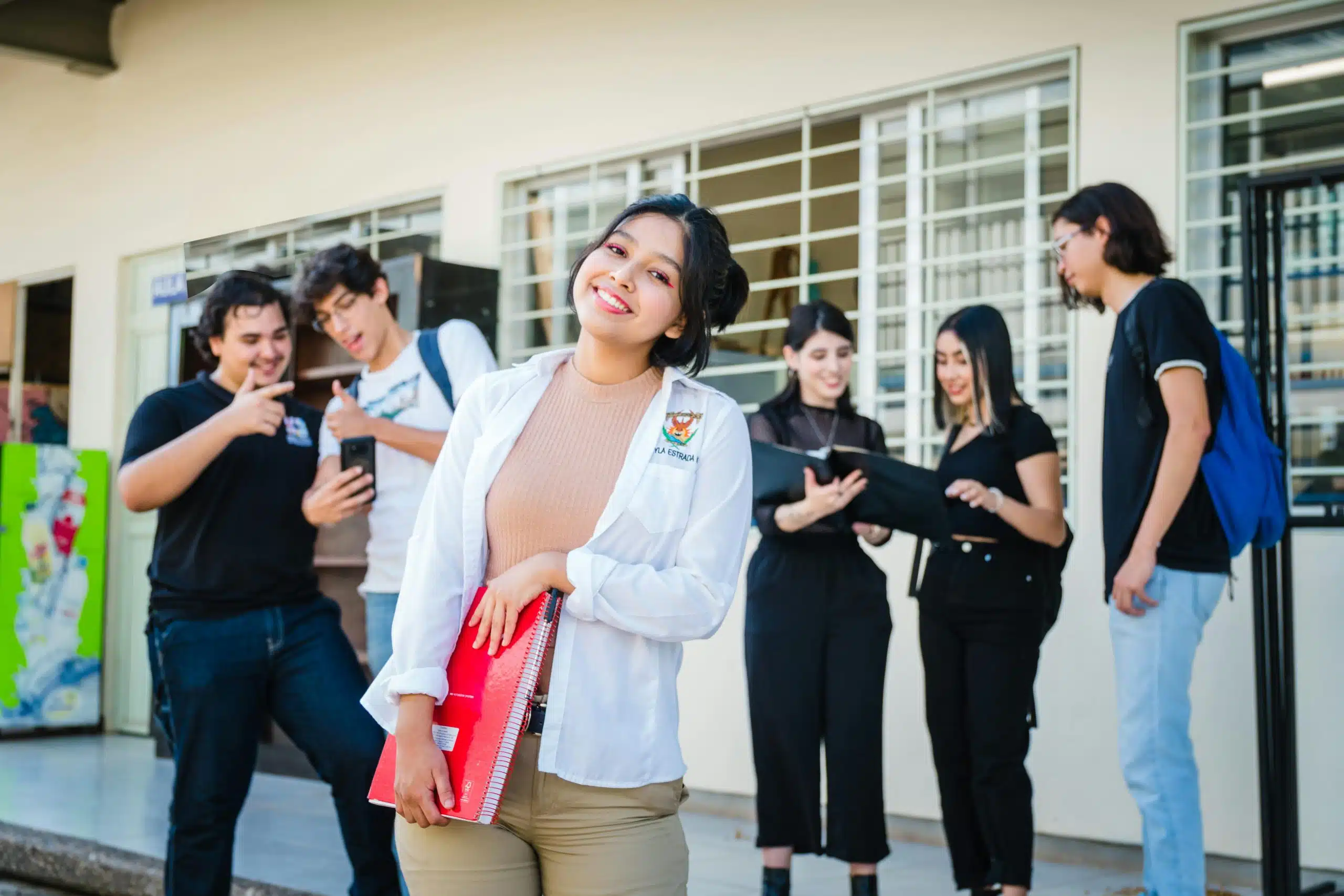
If you’re a high school student who wants to make a difference on a global scale, the Youth Ambassadors Program might be exactly what you’ve been looking for. Think cross-cultural exchange, hands-on leadership development, and the kind of life experience that no classroom can replicate.
This guide covers everything you need to know about the Youth Ambassadors Program: what it is, who it’s for, how to apply, and why it’s worth your time.
- What Is the Youth Ambassadors Program?
- Youth Ambassadors Program Acceptance Rate
- Youth Ambassadors Program Application Deadline
- Youth Ambassadors Program Requirements
- How to Get into the Youth Ambassadors Program
- Why Join the Youth Ambassadors Program?
- Frequently Asked Questions
- Takeaways
What Is the Youth Ambassadors Program?
The Youth Ambassadors Program (YAP) is a U.S. Department of State initiative that brings together high school students and adult mentors from across the Americas to build leadership skills, promote mutual understanding, and prepare you to make a difference in your community. It is funded by the Bureau of Educational and Cultural Affairs and implemented by World Learning.
Where you go depends on where you’re from. If you’re a student from Latin America or the Caribbean, the program will bring you to the United States for a fully immersive exchange experience. The program is currently open to students from Argentina, Bahamas, Belize, Bolivia, Brazil, Canada, Chile, Colombia, Costa Rica, Dominican Republic, Ecuador, El Salvador, Guatemala, Guyana, Haiti, Honduras, Jamaica, Nicaragua, Panama, Paraguay, Peru, Suriname, Trinidad and Tobago, Uruguay, and Venezuela.
Meanwhile, if you’re a student in the United States, you may be selected for an outbound delegation to a partner country in the region. Either way, the exchange runs for three to four weeks and puts you in the middle of real communities, not tourist destinations.
The experience is also similar no matter your country of origin. You’ll take part in workshops, community service activities, team-building exercises, and meetings with local leaders. You’ll live with a host family, giving you an honest look at everyday life in the country. The program doesn’t end when you return home. Instead, you’re expected to take what you’ve learned and implement a community project that addresses a need where you live.
For 2026, there is also a related exchange called Youth Ambassadors NEA, which brings participants from Iraq and Algeria to the U.S. for three weeks during the summer.
If you’re applying for the Americas program, check with your country’s U.S. Embassy or email World Learning at [email protected] to get the latest information on 2026 dates and application windows.
Youth Ambassadors Program Acceptance Rate
Since each country manages its own selection process, the Youth Ambassadors Program does not publish a single global acceptance rate. Still, the program is widely recognized as highly competitive.
Applications are reviewed at the country level, with local U.S. Embassies and partner organizations selecting a limited number of participants per cohort. Only a small group of students from each eligible country are chosen, making selection a meaningful distinction.
Youth Ambassadors Program Application Deadline
Deadlines for the Youth Ambassadors Program vary by country, as each participating nation manages its own application and selection process through its local U.S. Embassy or partner organization.
For the Americas program, students should visit www.youthambassadorsprogram.org or email [email protected] to find the specific deadline for their country.
For reference, the 2026 Youth Ambassadors Africa program accepted applications until January 12, 2026, with the exchange running from July 8–30, 2026, giving you a general idea of how far in advance you’ll need to prepare.
Notification and other key dates
After submitting your application, the selection timeline generally includes:
- Application review by the local U.S. Embassy or partner organization
- Notification of selection sent to chosen participants
- Pre-departure orientation to prepare participants for travel, cultural adjustment, and program expectations
- Exchange program (3–4 weeks), typically held during summer
- Post-exchange community project implementation upon return home
Check your country’s U.S. Embassy website or contact World Learning for the specific timeline that applies to you.
Youth Ambassadors Program Requirements
Getting into the Youth Ambassadors Program starts with knowing whether you qualify and what you need to prepare. Here’s a breakdown of the eligibility criteria, required documents, and what the program will and won’t cost you.
Eligibility
Specific requirements vary by country and region. However, to give you an idea of what they may be, here are the requirements from the 2026 Youth Ambassadors Africa program for Guinea applicants:
- You must be between 15 and 18 years old when the exchange begins
- You must be actively enrolled in high school at the time of application
- You must be a citizen or legal resident of the country you’re applying from
- You must have at least one full semester of high school left to complete after you return
- You should be able to show leadership potential, whether through your grades, school involvement, or work in your community
- You should have a genuine interest in civic engagement and giving back through community service
- You must be able to communicate in English
- Preference is given to applicants who have had limited exposure to international travel or study abroad experiences
- You must be ready to commit fully, that means showing up, engaging seriously, and following through on activities even after the exchange ends
Adult participants, including teachers, trainers, school administrators, and community leaders who work with youth, are also welcome to apply to serve as mentors alongside the student delegation.
Required documents
Your application requirements may vary by country, but the most critical documents to have in order before anything else are your passport and visa. Your passport is your primary form of identification abroad, so make sure it’s valid well before your departure. Some countries require it to be valid for at least six months beyond your travel dates.
Check the Country Specific Information for your destination to confirm whether you also need a visa, and give yourself enough time to obtain one if required.
Program costs
The Youth Ambassadors Program is fully funded by the U.S. Department of State and requires no participation fee of any kind. Based on the 2026 Youth Ambassadors Africa program, here is what the funding typically covers:
- Your round-trip international airfare
- Accommodation and all meals throughout the exchange
- All transportation within the host country
- Workshop materials, activity fees, and program resources
- Alumni activities after the exchange ends
How to Get Into the Youth Ambassadors Program
Getting into the Youth Ambassadors Program rewards early preparation, strong community involvement, and a clear demonstration of leadership potential.
Here’s how to approach each stage strategically:
Step 1: Confirm your eligibility.
Before anything else, verify that you meet the age, enrollment, and country-of-origin requirements. The baseline is straightforward, you need to be between 15 and 18, currently enrolled in high school, and have at least one semester remaining after the program.
Individual country programs may go further though. The 2026 Africa program, for example, also looked for applicants with limited prior international travel, a genuine interest in civic engagement, and the maturity to follow through on activities even after the exchange ends.
Step 2: Research your country’s application process.
Each country manages its own selection, so the process differs by location. Some accept public applications through the program website, while others go through the U.S. Embassy or a local partner.
The 2026 Africa program was announced directly by the U.S. Embassy in Guinea with its own portal and a deadline of January 12, 2026, months ahead of the July exchange. Your country’s process may look similar, so start looking early.
Step 3: Gather your documents early.
Get your passport and visa in order as early as possible as both can take weeks to process. Some countries require your passport to be valid for at least six months beyond your travel dates. The 2026 Africa program also required proof of citizenship or legal residency, so have your identification documents verified from the start.
Visit www.youthambassadorsprogram.org or contact your local U.S. Embassy to confirm the exact document requirements for your country.
Step 4: Prepare a strong application.
The program is looking for more than good grades. The 2026 Africa program specifically called for applicants who could demonstrate leadership potential through academics, school activities, or community involvement. Think carefully about how your experiences reflect these qualities and make sure your application tells that story clearly.
Be specific. Describe a situation where you took initiative, what you did, and what changed because of it.
Step 5: Show your community involvement.
The program wants community leaders. Highlight volunteer work, school clubs, or local initiatives where you’ve taken initiative and followed through. The 2026 Africa program valued maturity and a genuine willingness to stay engaged even after the exchange ends. Your track record in your own community matters.
Use your application to tell the full story of your best community experience: the challenge, your role, and the outcome.
Step 6: Submit on time and follow up.
Submit before the deadline and keep a copy of everything. As the 2026 Africa program showed, shortlisted candidates were contacted for interviews after the initial review, so the process doesn’t end at submission. Follow up with your U.S. Embassy or partner organization to confirm receipt and ask about next steps.
Set calendar reminders for every key date: deadline, notification, and pre-departure orientation.
Why Join the Youth Ambassadors Program?
The Youth Ambassadors Program is a leadership and cultural immersion experience that shapes how you think, connect, and contribute long after the program ends. Here are the reasons why joining is worth it:
1. Cross-cultural experience you can’t get anywhere else
Living with an American host family, working alongside peers from different countries, and navigating a new cultural environment teaches you things that no textbook ever could. You gain a deeper understanding of yourself and others, particularly how different people approach problems, what they value, and how much you have in common despite surface differences.
2. Leadership skills that last a lifetime
The program is specifically designed to build leadership capacity. Through workshops, team-building exercises, and meetings with community leaders, you’ll develop self-confidence, communication skills, problem-solving abilities, and a global perspective that will serve you throughout your education and career.
3. Lifelong international connections
The friendships you form during a 3–4 week exchange can last decades. Host families, fellow participants from across the Americas, and program staff become part of your network, a global community of people who share your values and ambitions.
4. A real impact back home
Unlike many programs that end when you step off the plane, the Youth Ambassadors Program asks you to bring what you’ve learned back to your community. Participants return home and implement projects that address local needs, making the program a true investment in community development.
5. A prestigious addition to your academic profile
Being selected for a U.S. Department of State exchange program is a meaningful credential. It signals to universities, employers, and organizations that you have the character, leadership potential, and global awareness to represent your country on an international stage.
Frequently Asked Questions
1. Is the Youth Ambassadors Program open to all countries?
The Americas program is open to students from 26 eligible countries across Latin America, the Caribbean, and Canada. U.S. students can also apply for outbound delegations to select countries.
2. Do I need to speak English to apply?
English proficiency requirements vary by country. Check with your local U.S. Embassy or the program website for language requirements specific to your application.
3. Can adult educators apply?
Yes. Teachers, trainers, school administrators, and community leaders who work with youth are eligible to apply as adult mentors and may participate alongside student delegations.
4. What happens after the exchange?
Participants are expected to return home and implement a community project that applies what they’ve learned. This follow-through is a core part of the program’s mission and is taken seriously during the selection process.
5. Where can I apply?
Visit www.youthambassadorsprogram.org or email [email protected] to find country-specific application information.
Takeaways
- The Youth Ambassadors Program is one of the most accessible U.S. government–funded exchange programs for high school students.
- The program is fully funded, covering travel, housing, meals, and program activities, so cost is not a barrier for selected participants.
- Selection is competitive, with only a limited number of students chosen per country, which means your application needs to stand out.
- Participants are expected to return home and lead community-based projects, turning the experience into real local impact.
- Requirements and timelines vary by country, so checking your local U.S. Embassy announcements early is essential to avoid missing key deadlines.
- If you’re serious about strengthening your application, focus on demonstrating leadership, initiative, and sustained community engagement, align your plan with the help of a college admissions consultant to give you the edge you need to become a youth ambassador.










