Our students have consistently been accepted to the country’s most competitive summer programs, which generally have anywhere between a 5-15% acceptance rate.
“I booked an Ad Hoc session for essay feedback, and it completely changed the direction of my personal statement. My consultant helped me refine my story and make it more authentic without losing my voice. Even in one session, I learned more about what admissions officers look for than I had in months of trying on my own.”
Lucas M., Iowa Young Writers’ Studio Admit
“The Senior Editor College Application Program completely changed how I approached my college applications. I thought my essays were strong, but after working with AdmissionSight, I realized how much more depth and clarity they could have. My editor helped me polish every detail until my story was compelling and authentic. I was accepted into Stanford, and I know this program made a huge difference.”
Evelyn C., RSI Admit
“Before AdmissionSight, I had no idea which summer programs were right for me. The team helped me choose programs that matched my strengths, then coached me through every essay. I was accepted into BU RISE, and it opened doors I didn’t even know existed.”
Award-winning writer and senior consultant with work featured in major media outlets including CNN, HuffPost, BuzzFeed, SportsCenter, and Disney. A Warner Bros. Fellowship finalist and full-scholarship graduate of the #1 film school in the nation, Matt brings elite storytelling expertise to every student he mentors.
John
Harvard University
Harvard-trained writer and admissions expert with 10+ years of experience guiding students through competitive applications. With a background in neurobiology and English, John specializes in helping students craft compelling essays that reveal their unique voice and stand out in selective admissions.
Harvard-trained writer and admissions expert with 10+ years of experience guiding students through competitive applications. With a background in neurobiology and English, John specializes in helping students craft compelling essays that reveal their unique voice and stand out in selective admissions.
Start Your Consultation
Get personalized advice from an admissions expert, tailored to your goals and challenges. We’ll reach out within 24 hours to confirm your session.
Get personalized advice from an admissions expert, tailored to your goals and challenges. We’ll reach out within 24 hours to confirm your session.
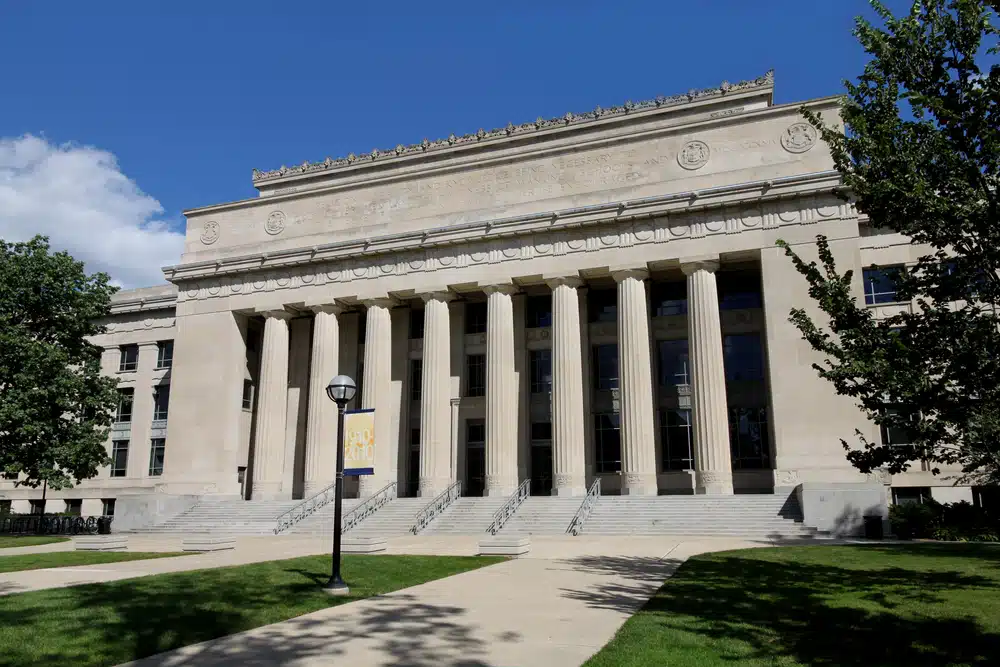
This guide covers when UMich decisions come out for Early Decision, Early Action, and Regular Decision, including release dates, decision types, and next steps after you hear back.
This guide covers every University of Michigan application deadline for the 2026-2027 cycle, including Early Decision, Early Action, Regular Decision, transfer, and financial aid dates.
This guide covers when Georgetown decisions come out for Early Action and Regular Decision, including release dates, decision types, and next steps after you hear back.
Learn what a Stanford admissions consultant does, why Stanford's process demands specialized help, and how to tell credible consultants from ones trading on the Ivy League name.
Subscribe to our newsletter for free college admissions tips.
Frequently Asked Questions
We’ve answered the questions we get asked the most about college admissions—so you don’t have to wait.
How do you help with Summer Program Applications?
Our students have consistently been accepted to the country’s most competitive summer programs, which generally have anywhere between a 5-15% acceptance rate. Prestigious summer programs are well known by college admissions officers and can significantly improve the student’s academic and extracurricular standing.
The student will receive comprehensive, detailed essay editing and guidance for up to 5 summer program applications, including but not limited to STEM, humanities and writing programs, and research programs for competitive high school students. We make recommendations on which summer programs to apply to based on the student’s academic interests and extracurricular profile.
What summer programs do your students apply to?
Our students apply to highly competitive summer programs in the country, which typically have anywhere between 5-15% acceptance rates. Getting into these highly competitive summer programs dramatically increases their odds of admission. Our students have been accepted to the most prestigious summer programs in the country, including but not limited to:
Research Science Institute (RSI)
Simons Summer Research Program
Summer Science Program (SSP)
Garcia Summer Scholars
UCSB Research Mentorship Program (RMP)
Boston University RISE
COSMOS
Telluride Association Summer Program (TASP)
Yale Young Global Scholars (YYGS)
Stanford Humanities Institute (SHI)
Iowa Young Writer’s Studio
Kenyon Review Young Writer’s Workshop
…and many more
How do I schedule a consultation?
Please book an initial consultation with us using the contact form.