

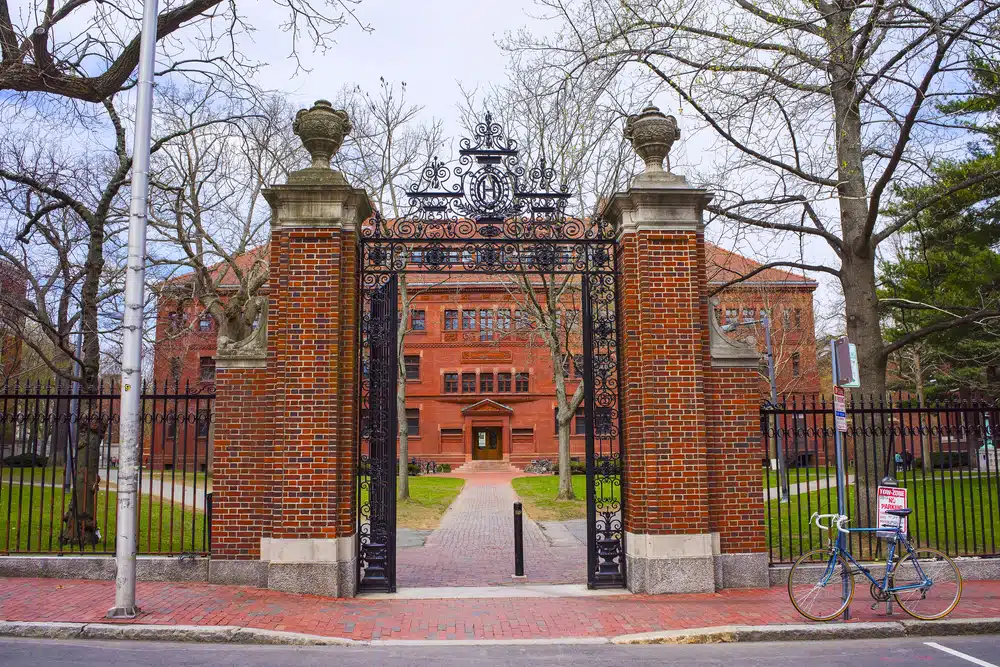
Located in Cambridge, Massachusetts, Harvard University is the oldest and one of the most prestigious institutions in the United States. Globally, Harvard is ranked #1 by U.S. News & World Report.
In 2024, Harvard had an overall acceptance rate of only 3.59%, making it one of the world’s hardest schools to get into. But before applying, it’s important to think about the pros and cons of Harvard University. This blog will help you weigh these factors to see if Harvard matches your academic and personal goals.
- Pros of Harvard University
- Cons of Harvard University
- Why Is Harvard So Hard to Get Into?
- Frequently Asked Questions
- Takeaways
Pros of Harvard University
Academic excellence
Harvard University is known for its rigorous academic programs. If you’re looking for a place to challenge yourself intellectually, Harvard might be the right fit. The university offers over 3,700 courses across various disciplines, allowing you to explore various subjects. The pros and cons of Harvard often focus on the high academic standards that push you to excel in your chosen field.
At Harvard, you’ll learn from some of the brightest minds in the world. The university’s faculty includes Nobel laureates like Amartya Sen, an influential economist, and Steven Pinker, a renowned cognitive psychologist and popular science author. With a student-to-faculty ratio of 7:1, you’ll have plenty of opportunities to interact with your professors and receive personalized guidance.
Cutting-edge research opportunities
If you’re interested in research, Harvard offers unparalleled opportunities. With over $1 billion in annual research funding, Harvard is a leader in numerous fields, from science to the humanities. The pros and cons of Harvard in terms of research heavily favor those who want to contribute to groundbreaking projects.

At Harvard, students have led some of the most innovative and impactful research projects. For instance, a team of Harvard students developed the “Octobot,” a soft robot inspired by the movement of octopuses. This robot can change its shape and navigate through tight spaces, showcasing the potential for soft robotics in areas like search-and-rescue missions and medical devices.
Harvard students have also developed the “organs-on-chips” technology, which simulates human organ functions on a microchip and allows for more effective study of diseases and drug testing. This technology has the potential to revolutionize drug development by reducing the need for animal testing.
These experiences enhance your academic credentials and prepare you for success in your future career. Whether you’re interested in science, technology, or social sciences, the opportunities for student-led research at Harvard can lead to significant real-world impact, which is a key consideration in the pros and cons of Harvard.
Diverse and supportive community
Harvard prides itself on its diverse and inclusive community. The university attracts students from all 50 states and over 80 countries, creating an environment where students are exposed to a wide range of cultures, perspectives, and ideas. The pros and cons of Harvard regarding community and diversity are significant factors to consider when choosing a university.
Harvard’s Office of Equity, Diversity, and Inclusion ensures all students feel welcome and supported. The university offers numerous resources, including cultural centers, mental health services, and academic advising, to help students academically and personally thrive. Having a support system is a major pro in the pros and cons of Harvard.
Strong alumni network
Harvard’s alumni network is one of the most powerful in the world, boasting many distinguished graduates. Harvard alumni have won 161 Nobel Prizes, 48 Pulitzer Prizes, and numerous other prestigious awards.
Graduates from Harvard have become leaders in various fields, including politics, business, law, medicine, and the arts. The pros and cons of Harvard must include understanding the vast opportunities that come from being part of such a prestigious network.
Here are a few notable Harvard alumni and their achievements:
- John F. Kennedy. As the 35th President of the United States, Kennedy played a crucial role in American history.
- Barack Obama. The 44th President of the United States and a recipient of the Nobel Peace Prize, Obama is a key figure in modern politics.
- Bill Gates. Co-founder of Microsoft, Gates is one of the wealthiest individuals in the world and a leading philanthropist.
- Mark Zuckerberg. Known as the co-founder and CEO of Facebook, Zuckerberg has shaped the digital age as a major tech entrepreneur.
- Toni Morrison. A Nobel laureate in Literature and Pulitzer Prize-winning novelist, Morrison’s works have profoundly impacted American literature.
- Henry Kissinger. Kissinger, a Nobel Peace Prize laureate, served as U.S. Secretary of State and was influential in international diplomacy.
- Michael Crichton. The bestselling author and creator of Jurassic Park, Crichton has made a significant mark on both literature and film.
- Yo-Yo Ma. This renowned cellist has received multiple Grammy Awards and is celebrated worldwide for his contributions to music.
The Harvard Alumni Association offers various programs and resources to help graduates stay connected and support one another in their professional endeavors. As a Harvard graduate, you’ll join a global network that can provide mentorship, career opportunities, and lifelong connections.
Interdisciplinary opportunities
One of Harvard’s strengths is its emphasis on interdisciplinary studies. The university encourages students to explore connections between different fields, which is reflected in the variety of joint degree programs and collaborative research opportunities available. The pros and cons of Harvard in terms of academic flexibility are crucial considerations for students looking to tailor their education to their specific interests.

Harvard’s General Education program, for example, requires students to take courses across a range of disciplines, ensuring that they receive a well-rounded education. This interdisciplinary approach is particularly valuable for students interested in emerging fields that require knowledge from multiple areas, such as data science or environmental studies.
Cons of Harvard University
High cost of attendance
Going to Harvard comes with a hefty price tag. The total cost, including tuition, fees, room, and board, can go over $80,000 per year. Even though Harvard offers good financial aid, you or your family might still feel the financial strain. If you’re from a middle-income family, the remaining costs can be a big challenge, even after scholarships and grants.
Living in Cambridge, Massachusetts, isn’t cheap either. Daily expenses like housing, food, and transportation can quickly add up. If you have to live off-campus, renting a one-bedroom apartment in the city center averages around $3,229 monthly. Living further from the center might make rent slightly cheaper at about $2,498 monthly, but the transportation costs may increase if you choose the latter option.
Intense academic pressure
Harvard is known for its challenging academic environment. The coursework, research projects, and extracurricular activities are demanding, and you must manage your time well. The semester system is fast-paced, so staying on top of your studies is crucial. This intense pressure can push you to do your best but can also be overwhelming.
Many students feel stress and burnout because of the constant pressure to perform well. Being surrounded by other high-achieving students can add to this stress. Although Harvard has resources like mental health services and academic advising, the pressure to excel can still impact your well-being. It’s important to consider whether you’re ready to handle this environment when evaluating the pros and cons of Harvard.
Competitive atmosphere
Harvard attracts some of the brightest minds, which creates a highly competitive atmosphere. You’ll constantly strive to stand out in academics, extracurriculars, and career opportunities. This competition can be motivating but also make you feel stressed and anxious.
The competition extends beyond the classroom. Whether it’s securing prestigious internships, leadership roles, or recognition in your field, the need to excel in every area can be exhausting. While this can drive you to achieve great things, it can also lead to significant stress as you try to distinguish yourself from your talented peers.
Social and cultural adjustment
Adjusting to Harvard’s social and cultural environment can be tough, especially if you’re from a different background or region. The student body is diverse, with people from all over the world, which can be exciting but overwhelming. You might feel out of place or experience culture shock, particularly if you’re not used to being around so many high-achievers.
The social scene at Harvard is unique, and balancing your academic work with social activities can be challenging. You may find it hard to make time for friendships and relaxation. This can sometimes lead to feelings of isolation. Finding your group and building a support network is essential to maximizing your time at Harvard.
Location and weather
Harvard is in Cambridge, Massachusetts, known for its cold and snowy winters. The average winter temperature typically ranges from about 18°F (-8°C) to 36°F (2°C), which gives you an idea of how harsh the winters can get. Snowstorms and freezing temperatures are common, making it hard to get around and participate in outdoor activities.

On top of the weather, the urban setting of Cambridge can feel crowded and fast-paced. The high cost of living and competition for housing adds to the stress. If you prefer a warmer climate or a quieter setting, the location and weather might be significant downsides to consider. The pros and cons of Harvard are significantly influenced by these environmental factors.
Post-graduation pressure
Graduating from Harvard comes with a lot of expectations. People often assume that Harvard grads will go on to do great things, whether it’s getting a top job, entering a competitive grad program, or making big contributions in their field. This pressure can be stressful, especially if your career path doesn’t follow the traditional route of Harvard alumni.
The drive to succeed can sometimes overshadow personal happiness, leading to stress and burnout even after graduation. It’s important to consider whether you can manage these expectations, how they fit with your career goals, and what you want out of life. This is a key factor when thinking about the pros and cons of Harvard.
Bureaucratic challenges
Like any large institution, Harvard has complex administrative processes that can be frustrating to deal with. Whether it’s registering for classes, securing housing, or dealing with financial aid, you might run into delays and red tape. These processes can be challenging, especially when you’re new to the university.
For example, securing on-campus housing can be competitive, and financial aid applications require meticulous attention to detail due to the extensive documentation involved. Additionally, resolving issues related to course registration or academic advising might involve going through multiple departments, which can be time-consuming.
These bureaucratic challenges are important to consider when evaluating the pros and cons of Harvard, as they can impact your overall experience and efficiency during your time at the university.
Why Is Harvard So Hard to Get Into?
Harvard’s admissions process is incredibly selective, with an acceptance rate of just 3.59%. For the Class of 2027, Harvard received over 56,000 applications and accepted only about 2,000 students.
To have the best shot of getting in, you should aim for the 75th percentile, with a 1580 SAT or a 36 ACT. You’ll also need a GPA of 4.0 or higher, placing you among the top students in your class. This intense selectivity is a major factor to consider when thinking about the pros and cons of Harvard.
Beyond academics, Harvard looks for well-rounded students who excel in extracurricular activities and demonstrate leadership, creativity, and a strong commitment to their communities. Your personal essays and letters of recommendation also highlight your character and potential to contribute to Harvard’s community.
The combination of academic excellence, extracurricular achievements, and personal qualities Harvard seeks makes the admissions process highly competitive. This intense selectivity is a major factor to consider when evaluating the pros and cons of Harvard.
Frequently Asked Questions
-
What is Harvard’s acceptance rate?
Harvard’s acceptance rate for 2024 is 3.59%, making it one of the most selective universities in the world. This low rate means that only a small fraction of applicants are admitted annually, which is a key factor in the pros and cons of Harvard.
-
What GPA and test scores do I need to get into Harvard?
To increase your chances of getting into Harvard, you should aim for a GPA of 4.0 or higher. For standardized tests, you should target a score in the 75th percentile, which is a 1580 SAT or a 36 ACT. These scores place you among the top applicants.
-
Why is it difficult to get accepted into Harvard?
Harvard’s admissions process is extremely competitive due to its high academic standards and many highly qualified applicants. In addition to top grades and test scores, Harvard looks for students who excel in extracurricular activities and show leadership, creativity, and a commitment to their communities.
-
What major is Harvard known for?
Harvard is known for its strong programs in Economics, Government, Biology, and History. Economics features a rigorous curriculum with Nobel laureate faculty, while Government offers in-depth studies in political theory and international relations. Biology excels in research, particularly in genetics and neuroscience, with ties to Harvard Medical School. History provides a comprehensive exploration of historical themes, preparing students for careers in academia, law, and journalism.
-
Why is Harvard so famous?
Harvard is famous for several reasons. Founded in 1636, it is the oldest institution of higher education in the United States. Harvard is renowned for its rigorous academics, world-class faculty, and significant contributions to research across various fields. Its alumni network, which enhances its global reputation, includes numerous U.S. presidents, Nobel laureates, and industry leaders.
-
What are the pros and cons of Harvard?
The pros of Harvard include access to top-tier academics, distinguished faculty, vast research opportunities, and a strong alumni network. The cons of Harvard might include the high cost of attendance, intense academic pressure, and the competitive atmosphere. It’s important to weigh these factors to determine if Harvard is the right fit for you.
Takeaways
- Harvard is one of the most prestigious universities in the world, known for its rigorous academics, influential alumni network, and historical significance as the oldest higher education institution in the United States.
- With an acceptance rate of 3.59% for 2024, admission to Harvard is extremely competitive. A strong academic record, high test scores, and exceptional extracurricular achievements are essential.
- Harvard is particularly well-regarded for its Economics, Government, Biology, and History programs, offering students a comprehensive education with ample research opportunities.
- The high cost of attendance, intense academic pressure, and competitive atmosphere are significant factors to consider when deciding if Harvard is the right fit for you.
- Still on the fence about whether Harvard is the right fit? A college admissions consultant can give you the personalized guidance and support you need to confidently make the best decision for your future.










