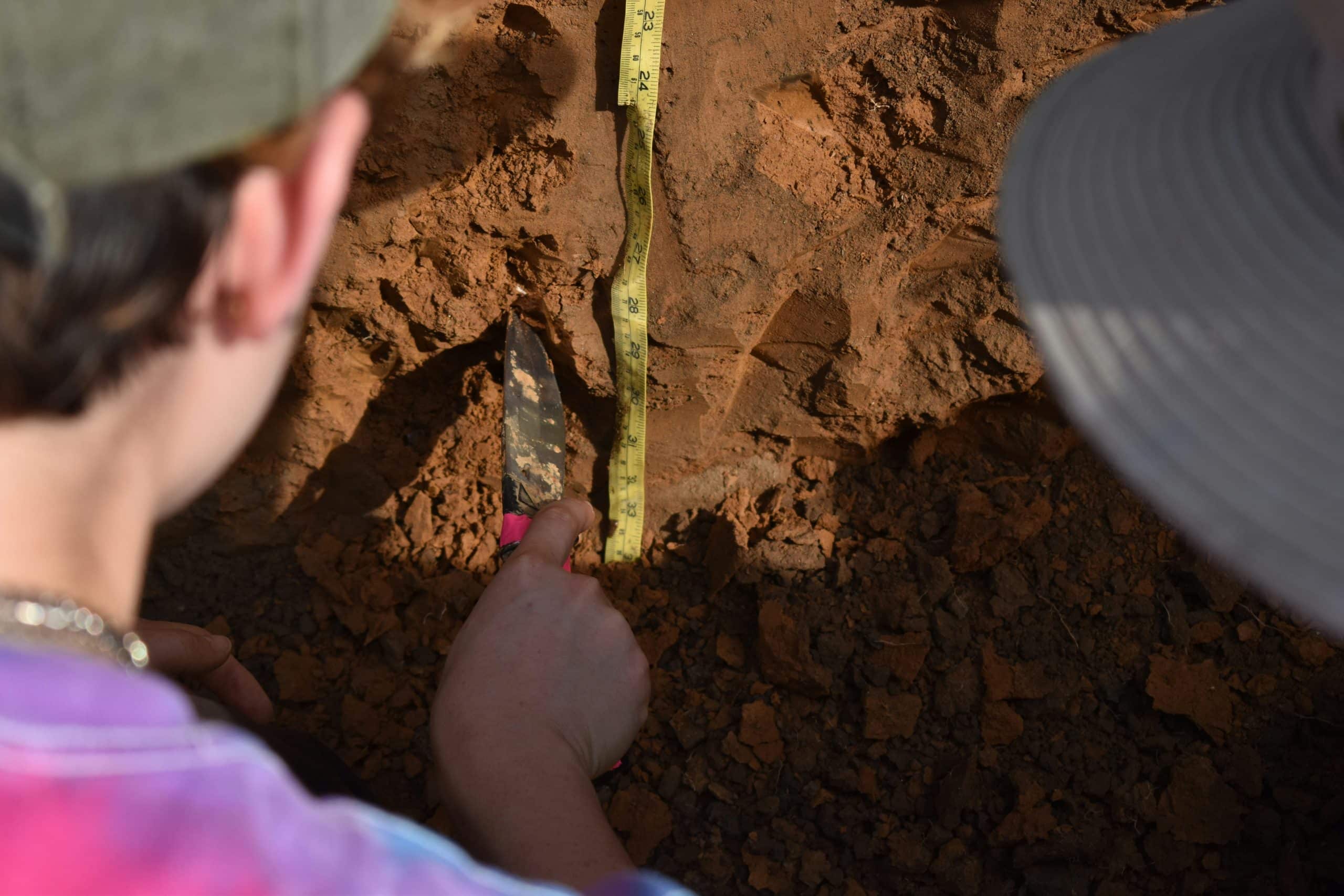
Choosing the right archaeology program matters more than you might think. A strong program offers hands-on fieldwork, research opportunities, and the training you’ll need for careers in archaeology, cultural resource management, museum work, and academia.
While archaeology is a niche field, it still offers steady opportunities. According to the U.S. Bureau of Labor Statistics, employment of anthropologists and archaeologists is projected to grow 4% from 2024 to 2034, about as fast as the average for all occupations.
This list highlights the 10 best colleges for archaeology in the US in 2026, based on two major sources: EduRank’s 100 Best Colleges for Archaeology in the United States and the QS World University Rankings by Subject in Archaeology, which evaluates programs globally.
- What Are the Best Colleges for Archaeology in the US?
- Harvard University
- University of California, Berkeley
- Stanford University
- University of California, Los Angeles
- University of Michigan
- Yale University
- Arizona State University
- University of Chicago
- University of Arizona
- Columbia University
- Frequently Asked Questions
- Takeaways
What Are the Best Colleges for Archaeology in the US?
The table below summarizes each school along with its EduRank archaeology ranking and QS World University subject ranking in archaeology, helping you compare programs at a glance.
|
Rank |
School | EduRank Archaeology Ranking |
QS World University Archaeology Ranking |
|
1 |
Harvard University | 2 | 4 |
| 2 | University of California, Berkeley | 1 |
8 |
|
3 |
Stanford University | 3 | 9 |
| 4 | University of California, Los Angeles | 10 |
13 |
|
5 |
University of Michigan | 4 | 22 |
| 6 | Yale University | 11 |
21 |
|
7 |
Arizona State University | 28 | 10 |
| 8 | University of Chicago | 17 |
25 |
|
9 |
University of Arizona | 30 | 14 |
| 10 | Columbia University | 9 |
45 |
Note: Our ranking equally weights national and global archaeology rankings, averaging each school’s positions into a composite score and ordering them from lowest to highest.
Let’s discuss each college one by one.
1. Harvard University
Rankings: #2 (EduRank), #4 (QS World University)
Key Strengths: Interdisciplinary archaeology, archaeological methods, cultural heritage studies
Acceptance Rate (Overall): 4.18% (Class of 2029)
Harvard offers one of the most interdisciplinary archaeology programs in the country, emphasizing critical analysis of material remains alongside modern issues like cultural heritage, climate change, and the ethics of archaeology.
Supported by the Standing Committee on Archaeology (SCA), the program draws on faculty and resources across the Social Sciences, Humanities, and Natural Sciences. Undergraduates can engage with archaeology through existing concentrations such as Anthropology, or pursue a dedicated Secondary Field in Archaeology, which is open to students in any discipline.
Students get early exposure to the field through courses like ANTHRO 1010: The Fundamentals of Archaeological Methods & Reasoning and ANTHRO 1130: Archaeology of Harvard Yard. They’re also strongly encouraged to participate in archaeological field schools in the U.S. and abroad, including two summer field schools in Latin America taught by Harvard faculty.
Beyond the classroom, students can work directly with world-class collections at the Peabody Museum of Archaeology and Ethnology and the Harvard Museum of the Ancient Near East, gaining valuable hands-on experience with artifacts and collections.
2. University of California, Berkeley
Rankings: #1 (EduRank), #8 (QS World University)
Key Strengths: Anthropological archaeology, bioarchaeology, sociocultural anthropology
Acceptance Rate (Overall): 11.43% (Class of 2029)
UC Berkeley is one of the top schools in the world for archaeology, with its strengths rooted in the Anthropology program rather than a standalone archaeology major. Students interested in archaeology typically major in Anthropology, History, or Classics, with archaeology-focused coursework built into those programs.
Within Anthropology, students study archaeological methods alongside biological and sociocultural anthropology, building a well-rounded understanding of how researchers study the human past. Courses like Anthropology 122F Archaeology of the Americas: California Archaeology and Anthropology 129 Topical Areas in Archaeology: Archaeology of Hunter-Gatherers offer more specialized exposure.
A major highlight is the Archaeological Research Facility (ARF), which supports archaeological work through field schools, lectures, workshops, and access to specialized equipment. Students can gain hands-on experience through the ARF Field School.
At the graduate level, UC Berkeley stands out globally, with students pursuing the Anthropology PhD while specializing in anthropological archaeology. The program is highly selective and research-driven, with strong faculty mentorship, regular research presentations, and funding opportunities like the Stahl Endowment, which provides up to $3,000 for dissertation research.
3. Stanford University
Rankings: #3 (EduRank), #9 (QS World University)
Key Strengths: Archaeological theory, heritage studies, archaeological data analysis
Acceptance Rate (Overall): 3.61% (Class of 2028)
Stanford’s archaeology program is built around the Stanford Archaeology Center (SAC) under the School of Humanities and Sciences, offering both a major and minor for undergraduates. The program takes a cross-disciplinary approach, combining methods and perspectives from the humanities, social sciences, and natural sciences.
Students taking up the B.A. in Archaeology take core courses like ARCHLGY 1: Introduction to Archaeology and ARCHLGY 103: History of Archaeological Thought, while also developing quantitative and analytical skills, including a required statistics course.
Hands-on experience is central to the program, with all majors participating in field projects, often during summer, working directly on faculty-led research. Current projects include Disease Confinement in the Adriatic in Bosnia and Herzegovina, Museums, Heritage and Storytelling in South Africa, or Analysis of Archaeological Data from Excavations at Frenchman’s Park.
In their final year, students can complete a senior capstone in three ways: pursue an honors thesis, a Stanford University Archaeology Collections (SUAC) project working directly with artifacts, or a senior project, all culminating in presentations at the SAC Spring Symposium.
4. University of California, Los Angeles
Rankings: #10 (EduRank), #13 (QS World University)
Key Strengths: Archaeological conservation, interdisciplinary archaeology, archaeological theory
Acceptance Rate: 9.41% (Class of 2029)
UCLA has no standalone undergraduate major. Instead, archaeology is centered at the graduate level through the Cotsen Institute of Archaeology, a leading research hub in the field. Undergraduate students who are interested in archaeology typically concentrate in Anthropology or a related discipline, building their foundation through archaeology-focused coursework.
Graduate study is organized around two specialized tracks. The UCLA Interdepartmental Archaeology Graduate Program (AP) brings together faculty across departments to train students in interdisciplinary methods, theory, and interpretation, preparing them for independent research and heritage preservation.
Meanwhile, the UCLA/Getty Master’s Program in the Conservation of Archaeological and Ethnographic Materials, the only program of its kind in North America, trains students alongside archaeologists and conservation specialists, with projects engaging southern California tribal communities and institutions such as The Getty.
Small cohorts foster a close-knit environment and cross-departmental collaboration. Located in Los Angeles, students benefit from a vibrant archaeological community, with the Cotsen Institute regularly hosting lectures, symposia, and visiting scholars that connect them to global networks.
5. University of Michigan
Rankings: #4 (EduRank), #22 (QS World University)
Key Strengths: Archaeological methods, material culture studies, Mediterranean archaeology
Acceptance Rate (Overall): 16.42% (Class of 2029)
Archaeology at Michigan brings together a wide network of faculty, curators, and researchers across multiple disciplines, making it one of the most expansive programs in the US. With experts spread across different academic units, students are exposed to research that spans five continents and time periods from ancient history to the present.
At the undergraduate level, students can pursue an Archaeology sub-major, along with related programs like Anthropology and Archaeology of the Ancient Mediterranean. The sub-major is designed for students interested in archaeology or museum studies, covering topics such as the origins of culture, urbanization, and colonialism. Students also gain training in archaeological methods, including survey, excavation, and laboratory analysis of material culture.
Michigan places a strong emphasis on research and fieldwork, with opportunities such as the Undergraduate Research Opportunity Program (UROP) and the U-M Training Program in Archaeology, with the 2026 field school taking place in Burrel, Albania and the surrounding Mat River Valley. Outside the classroom, the University of Michigan Archaeology Club offers workshops, experimental archaeology, and professional development opportunities.
6. Yale University
Rankings: #11 (EduRank), #21 (QS World University)
Key Strengths: Archaeological theory, material culture and art history, ancient civilizations and early states
Acceptance Rate (Overall): 4.75% (Class of 2029)
Yale’s archaeology program is organized through the Council on Archaeological Studies. This brings together faculty from Anthropology, Classics, History, History of Art, Near Eastern Languages and Civilizations, and Religious Studies, along with the Peabody Museum of Natural History. This structure allows students to study archaeology from multiple perspectives across bachelor’s, master’s, and doctoral programs.
At the undergraduate level, the Archaeological Studies major is highly interdisciplinary, spanning cultures from prehistory through the medieval period across the Old and New Worlds. Students engage with foundational questions, such as the origins of agriculture, cities, and early empires, alongside the study of material culture, art, architecture, and ancient writing systems.
Fieldwork is a core requirement, with all majors completing at least one intensive summer field school, often supported by funding from the Council. Yale also offers targeted research opportunities such as the Josef Albers Traveling Fellowship, which funds research on pre-Columbian art and archaeological materials in Mesoamerica and Central America.
7. Arizona State University
Rankings: #28 (EduRank), #10 (QS World University)
Key Strengths: Archaeological collections management, NAGPRA and heritage law, cultural resource management
Acceptance Rate (Overall): 88.39% (Class of 2029)
At Arizona State University (ASU), archaeology is offered through the School of Human Evolution and Social Change (SHESC) rather than as a standalone major. Students interested in the field typically pursue a B.A. or B.S. in Anthropology, where they can focus on archaeology through specialized coursework and hands-on training.
A key hub for the program is the Center for Archaeology and Society (CAS), which supports research, collections care, and community engagement, particularly in the U.S. Southwest. ASU places a strong emphasis on applied archaeology, especially in areas like collections management and heritage compliance.
Courses like ASB 484: Archaeological Collections Care and NAGPRA give students hands-on experience working with anthropological collections while learning about federal laws such as the Native American Graves Protection and Repatriation Act (NAGPRA).
Students can deepen this experience through the Anthropological Collections Internship, where they work directly with archaeological, ethnographic, and bioarchaeological materials. The program is especially well suited for students interested in museum work, cultural resource management, and community-based archaeology.
8. University of Chicago
Rankings: #17 (EduRank), #25 (QS World University)
Key Strengths: Archaeological theory, archaeological methods and data analysis, material culture studies
Acceptance Rate (Overall): 4.48% (Class of 2028)
UChicago is launching a new undergraduate major in Archaeology beginning in the 2025–26 academic year, housed in the Arts & Humanities Collegiate Division. The program draws on faculty from anthropology, Classics, and art history, taking an interdisciplinary approach to studying past societies through objects, spaces, and landscapes.
Previously, archaeology was offered as a track within the Middle Eastern studies major. The new major expands flexibility, with no language requirement, making it easier for students to focus on archaeological methods or combine the field with another major.

The Archaeology curriculum blends theory and practice, covering core concepts like stratigraphy, dating techniques, and archaeological data analysis alongside global cultural histories. Students learn to interpret material culture within broader frameworks of social organization.
Electives reflect the program’s range, with more niche and thought-provoking courses like ANTH 20014: Animal Magnetism: Histories of Human-Animal Relationships, which explores how humans have interacted with animals over time. Meanwhile, CLCV 20100: This is Sparta (or Is It?) examines the archaeological evidence of Sparta from its origins to later reinterpretations.
9. University of Arizona
Rankings: #30 (EduRank), #14 (QS World University)
Key Strengths: Archaeological science, North American archaeology, Indigenous archaeology
Acceptance Rate (Overall): 86.1% (Class of 2029)
The University of Arizona takes a science-driven approach to archaeology, with undergraduate training offered through the Anthropology major’s Archaeological Sciences emphasis. Students focus on archaeological data collection and analysis, fieldwork, and scientific methods, supported by coursework in biology, chemistry, and physics. The program also emphasizes the U.S. Southwest, including specialized areas like Southwest land, culture, and society.
At the graduate level, Arizona stands out for its applied focus. The M.A. in Anthropology with a concentration in Applied Archaeology is designed as a terminal degree, with strengths in North American archaeology and Indigenous archaeology. The university also offers a highly regarded doctoral program for students pursuing advanced research.
A major advantage is access to the Arizona State Museum, the largest state-run archaeological repository in the U.S. Its collections include approximately 300,000 cataloged items, over 38,000 cubic feet of research material, and 15,000 site survey collections, giving students hands-on experience working directly with large-scale archaeological datasets and materials.
10. Columbia University
Rankings: #9 (EduRank), #45 (QS World University)
Key Strengths: Classical archaeology, East Asian archaeology, anthropological archaeology
Acceptance Rate (Overall): 4.94% (Class of 2029)
The Archaeology program at Columbia is housed in the Center for Archaeology and taught by faculty from a range of academic backgrounds. Its Inter-departmental Major allows students to take archaeology courses from departments across Columbia and Barnard, including Anthropology, Art History, Classics, East Asian Languages and Cultures (EALAC), History, and Ecology, Evolution and Environmental Biology (EEEB). The program has a strong emphasis on lab and field skills, along with archaeological interpretation and theory.
Course offerings reflect this balance, with classes like ANTH V1007: The Origins of Human Society and ACLG V2028: Think Like an Archaeologist introducing students to both foundational questions and analytical approaches in the field. Fieldwork is another major part of the program, with current Columbia projects including the Rio Grande Gorge Project in Taos, New Mexico, work at Hadrian’s Villa in Italy, and Columbia Fieldwork in Shandong Province, China.
Students can also study archaeology through related majors such as Anthropology or Art History, while other departments like Classics, History, and Middle Eastern and Asian Languages and Cultures also include archaeological content.
Frequently Asked Questions
1. What are the top colleges for archaeology in the US in 2026?
The best colleges for archaeology include schools like Harvard, Berkeley, Stanford, UCLA, Michigan, Yale, Arizona State, UChicago, the University of Arizona, and Columbia, each with distinct strengths. Harvard and Stanford emphasize interdisciplinary training and research access, Berkeley and UCLA are known for anthropology-based or graduate-focused programs, while Michigan and the University of Arizona stand out for fieldwork and scientific approaches.
2. What should I look for when choosing a college for archaeology?
Focus on how the program is structured. Some schools, such as Stanford and UChicago, offer a dedicated archaeology major, while others like Berkeley and Arizona State embed archaeology within anthropology. Look for access to fieldwork, lab training, and museum collections, as well as strengths in specific regions or areas, like the University of Arizona’s emphasis on Indigenous and Southwest archaeology.
3. Can I double major in archaeology and another field at these colleges?
Yes. Many programs are designed to be flexible or interdisciplinary. For example, Columbia’s interdepartmental major allows you to combine courses across fields, while UChicago’s new archaeology major has no language requirement, making it easier to double major. At schools like Stanford, students often pair archaeology with fields like history, biology, or environmental science.
4. Which archaeology specializations are most in demand today?
Some of the most in-demand areas include archaeological science, cultural resource management, bioarchaeology, heritage conservation, and digital archaeology. These fields combine technical skills with real-world applications in research, policy, and preservation.
5. What careers can you pursue with an archaeology degree?
Graduates can work as archaeologists, cultural resource management specialists, museum curators, conservation specialists, or academic researchers. Many also pursue careers in heritage management, government agencies, or nonprofit organizations focused on preservation and public history.
Takeaways
- The best colleges for archaeology in 2026 include schools like Harvard, Berkeley, Stanford, UCLA, Michigan, Yale, Arizona State, UChicago, the University of Arizona, and Columbia, each offering a different approach to studying the human past.
- Programs vary in structure. Some, like Stanford and UChicago, offer dedicated archaeology majors, while others such as Berkeley, UCLA, and Arizona State embed archaeology within anthropology or related fields.
- Many programs are flexible and interdisciplinary, making it easy to combine archaeology with fields like history, biology, environmental science, or art history.
- When choosing a program, look beyond rankings. Focus on fieldwork opportunities, access to collections and labs, faculty expertise, and how well the program aligns with your academic and career goals.
- If you need help choosing the right archaeology program, working with an admissions expert can help you compare your options and build the best possible application.