

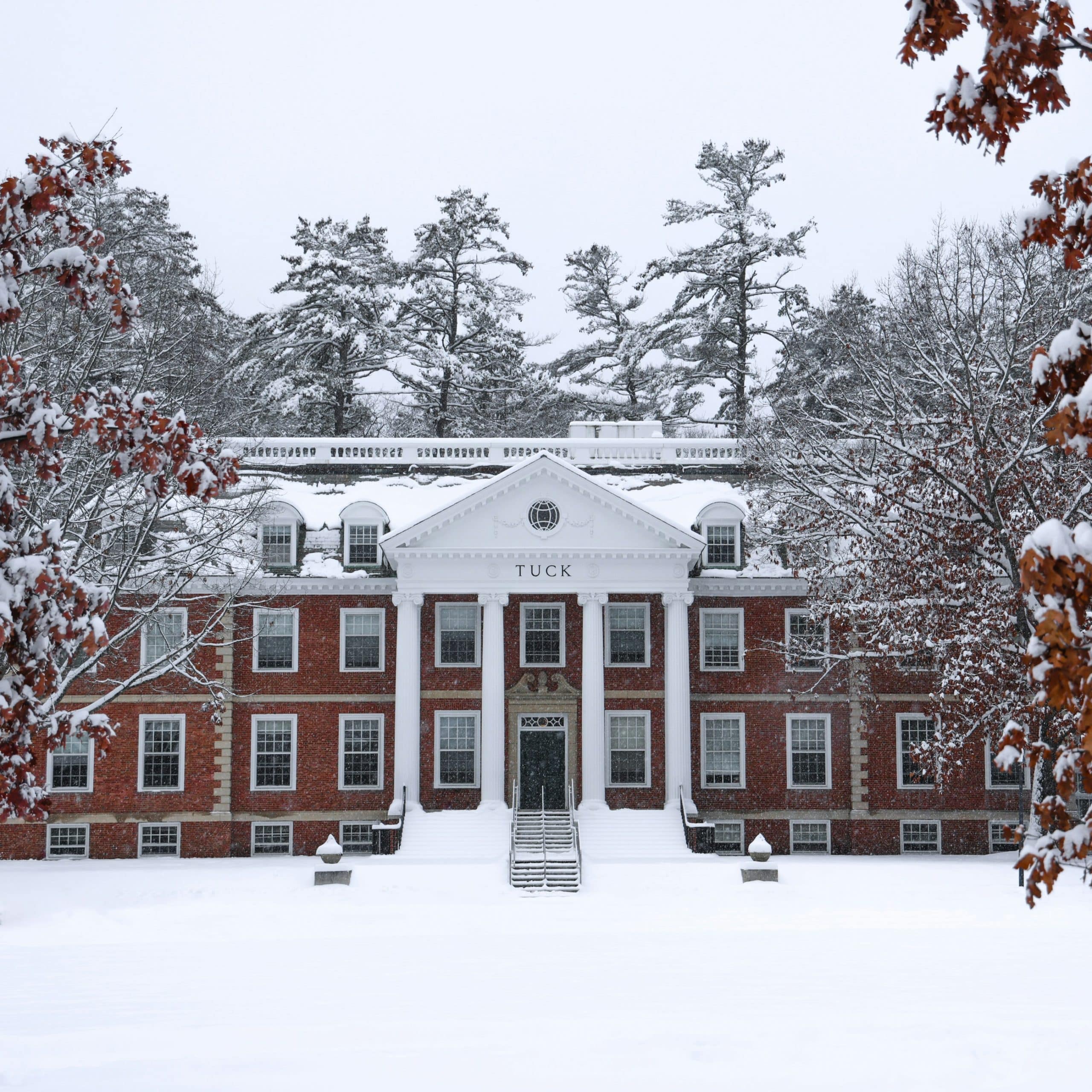
Dartmouth College is one of those schools that feels like a dream: ivy-covered buildings, tight-knit community, and a top-notch education. But then you Google “Dartmouth College cost,” and your jaw hits the floor. Is it really that expensive to go there?
Short answer: yes, the sticker price is high. For the 2025–2026 school year, the total cost of attendance sits at around $95,490 per year. That includes tuition, housing, meals, fees, and other living expenses.
But hold up—most students don’t actually pay that much. Thanks to Dartmouth’s generous financial aid, your real cost might be way lower. Let’s walk through exactly how much it costs to go to Dartmouth, what you’re paying for, and how much help you can actually get.
- Dartmouth Cost of Attendance
- Dartmouth Financial Aid and Scholarships
- Frequently Asked Questions
- Takeaways
Dartmouth Cost of Attendance
Let’s take a quick look at the estimated Dartmouth College cost per year for undergraduates in 2025–2026. These numbers include everything you’d typically need for a full academic year living on campus:
| Expense Category | Estimated Cost |
| Tuition | $69,207 |
| Mandatory Fees | $2,318 |
| On-Campus Housing | $12,579 |
| Meal Plan (Ivy Unlimited) | $8,341 |
| Books and Supplies | $1,005 |
| Personal Expenses | $2,040 |
| Total Estimated Cost of Attendance | $95,490 |
$95,490 is the full sticker price—what Dartmouth estimates it would cost for one year if you’re living on campus. It includes the essentials: academics, food, housing, and basic day-to-day expenses. Now let’s break this all down piece by piece:
Dartmouth tuition
Tuition is the biggest chunk of the Dartmouth College cost. For 2025–2026, it’s $69,207 for the year. That covers your classes, access to campus resources, academic advising, research opportunities, and everything else that comes with a Dartmouth education.
And yes, that’s a big number, but you’re not just paying for classes. You’re paying for top-tier faculty, a low student-to-professor ratio of 7:1, and resources like libraries, labs, and research funding that you probably won’t find at most public schools.
Plus, Dartmouth’s quarter system—also called the D-Plan—means you can customize your schedule, take off-terms for internships or travel, and still graduate in four years. That flexibility adds real value to the price tag.
If you’re worried about affording this, just know that many Dartmouth students receive financial aid, and most of them don’t pay anywhere close to full tuition.
Dartmouth housing (for first-year students)
Housing is one of the key components that makes up the full Dartmouth College cost. Dartmouth’s on-campus housing costs about $4,193 per term, which adds up to $12,579 for the academic year. That rate applies whether you’re in a traditional residence hall, a campus apartment like Maxwell or Ledyard, or even a college-owned Greek house.
If you’re a first-year student, you’ll live in a special program called the First-Year Residential Experience (FYRE). You’ll be placed with around 300 other first-years in a group of dorms, where you’ll attend events, join discussions, and connect with campus resources. Think welcome activities, community dinners, leadership programs, and spontaneous hallway hangouts.
Dartmouth housing (for upper-level students)
After your first year, you get more choices. You can move into campus-owned apartments or Greek housing—both priced at $4,193 per term. Want something more independent? You can go off-campus starting junior year.
Privately-owned Greek houses charge at least $3,564 per term, but the exact cost depends on the organization. If you choose off-campus housing, you just need to report your address each term.
While you’re allowed to leave college housing after sophomore year, many students choose to stay. Why? Because living on campus at Dartmouth is convenient, social, and deeply integrated into student life. All on-campus housing includes:
- Utilities and internet
- Access to community lounges and study spaces
- Support from resident staff
- Easy walking access to classes, dining halls, the gym, and even the river
The house communities make it easy to stay involved, and you’re never far from anything you need. Dartmouth’s housing is less about “dorm life” and more about having a second home right in the middle of all the action.

Dartmouth meal plans (for first-year students)
You’re going to need fuel for those late-night study sessions and icy morning walks to class. Luckily, Dartmouth’s meal plans are built to keep you full, flexible, and covered all year round. The cost of your dining plan plays a major role in the overall Dartmouth College cost, so it’s worth understanding how it works.
All first-year students are automatically enrolled in the Ivy Unlimited Plan, which is the top-tier dining option. It costs about $2,577 per term, or around $8,341 per year. For that price, you get unlimited access to Dartmouth’s main dining hall, ’53 Commons, plus a bunch of extra perks.
Here’s what you get with Ivy Unlimited:
- Unlimited swipes at ’53 Commons during open hours
- 5 guest meal passes per term
- $325 in Dining Dollars (usable at cafés, snack bars, vending machines)
- Access to to-go meals and meal equivalency options at places like Collis Café and Courtyard Café
If you’re wondering what a “meal equivalency” is, it basically lets you trade a meal swipe for a combo meal at select cafés instead of dining in. Values are set: $6.25 for breakfast, $8.50 for lunch, and $10.00 for dinner. Late-night meals are priced at $6.25.
Dartmouth meal plans (for upper-level students)
Once you’re past your first year, you can choose from a few other dining plans depending on your appetite, schedule, and living setup:
| Plan | Swipes | Dining Dollars | Cost per Term |
| 115 Block Plus | 115 | $475 | $2,264 |
| 80 Block Plus | 80 | $725 | $2,243 |
| Apartment Plan | 45 | $975 | $1,811 |
| Off-Campus Plan | 25 | $425 | $850 |
The block plans limit you to one swipe per meal period, so no back-to-back buffets like the unlimited plan. That said, they’re a solid pick if you eat off campus more or cook for yourself part-time.
What are Dining Dollars? They are basically campus cash. They’re preloaded onto your student ID and can be used at:
- Cafés like Novack, Collis, and The Fern
- Snack bars around campus
- Vending machines in residence halls and academic buildings
Dining Dollars roll over from summer through spring term of that academic year, but they expire at Commencement.
You can also add more Dining Dollars any time through the GET app if you run out early. And yes, if you finish your Dining Dollars before the term ends, you’ll be billed for extra charges monthly.
Reminder: your meal plan stays active during breaks. That includes winter break, spring break, and even from the summer term into fall. So you’re covered even if you stick around campus when things are quiet.
Also, off-campus and off-term students can still purchase any meal plan they want. So if you’re doing an internship locally or renting a place in town, you don’t have to sacrifice campus food access.
Books, supplies, and personal expenses
Books and supplies cost about $1,005 per year, though that number can vary depending on your major. If you’re in engineering or the sciences, expect to spend a bit more. You can save money by renting, buying used, or swapping with classmates.
Personal expenses—like laundry, toiletries, your Spotify subscription, and the occasional off-campus coffee—are estimated at $2,040 per year. The school includes these in the total Dartmouth College cost so that students and families can plan and budget more realistically.
Dartmouth Financial Aid and Scholarships
Now, here’s the part that might make you breathe a little easier. Dartmouth has one of the most generous financial aid programs in the Ivy League. It’s need-based only, which means they don’t offer merit scholarships—but they do meet 100% of your demonstrated financial need, which helps in significantly reducing the Dartmouth College cost for most students.
What does Dartmouth’s financial aid look like in real life?
- If your family makes under $125,000 (with typical assets), you’ll likely get free college—no tuition, housing, or meal costs.
- The average annual scholarship for financial aid recipients is around $72,720 for the Class of 2028.
- Over half of all Dartmouth undergraduates receive need-based aid for Fall 2022.
Here’s another bonus: Dartmouth doesn’t include loans in its financial aid packages. That means your aid comes in the form of scholarships and grants you don’t have to pay back, plus a small expected work-study contribution.
Zero parent contribution for families earning under $125,000
One of Dartmouth’s boldest financial aid policies is its Zero Parent Contribution Initiative. If your family earns under $125,000 a year and has typical assets, Dartmouth will not expect your parents to pay anything toward your education. That means no tuition, no housing, no meal costs assigned to your family contribution.

Dartmouth even says this is “the most generous threshold in the nation,” and compared to other Ivy League schools, that seems pretty accurate. For instance, similar thresholds at other Ivies range from $60,000 at Brown University to $100,000 at Princeton University.
So, Dartmouth really does go further than its peers in covering middle-income families. The initiative is designed to make sure students from low- to middle-income households can attend without the usual financial stress.
Now, this doesn’t mean the entire cost is wiped clean. Students in this group are still expected to chip in through:
- Summer or leave-term earnings
- Part-time jobs during the school year
- Personal savings
But here’s the key: you won’t be expected to take out any loans. Dartmouth meets your full financial need without them. Loans are totally optional and available only by request.
This is a huge deal if you’re coming from a modest-income background. The policy opens the door for students who might’ve assumed Dartmouth was out of reach.
Student loans at Dartmouth College
Dartmouth College is committed to reducing student debt, and student loans are not a required part of the financial aid package. However, students and parents may choose to borrow loans to cover the family contribution or additional expenses such as health insurance or a computer.
Federal Direct Loan programs
The U.S. Department of Education offers two types of federal loans:
- Subsidized direct loans. For students with demonstrated financial need. The government pays the interest while the student is enrolled at least half-time.
- Unsubsidized direct loans. Available to students regardless of financial need. Interest accrues while the student is in school.
Eligibility for these loans is determined by the FAFSA application. First-time borrowers must complete a Master Promissory Note (MPN) and Entrance Counseling online.
Dartmouth Institutional loans
In addition to federal loans, Dartmouth provides need-based institutional loans beyond federal eligibility. These are often included in a student’s award package. Students interested in additional loan options should contact the Financial Aid Office for more information.
While Dartmouth’s financial aid packages aim to minimize the need for loans, these options are available to help manage the overall Dartmouth College cost.
Frequently Asked Questions
1. What is the Dartmouth College cost per year?
The Dartmouth College cost per year is approximately $95,490 for the 2025–2026 academic year. This includes tuition, housing, meals, fees, books, and personal expenses.
2. How much is Dartmouth tuition per year?
Dartmouth tuition per year is $69,207 for undergraduates in 2025–2026. This covers academic instruction, campus resources, and student services.
3. How much does it cost to go to Dartmouth for 4 years?
At the full sticker price, it costs about $382,000 to go to Dartmouth for 4 years. However, most students pay far less thanks to generous financial aid.
4. Is the Dartmouth College cost the same for all students?
No. While the published Dartmouth College cost is fixed, your actual cost depends on your family’s income and aid eligibility. Over half of students receive substantial financial aid.
5. What is the Dartmouth College cost per semester?
Dartmouth operates on a quarter system, not traditional semesters. However, if you break down the annual Dartmouth College cost across two terms, it’s about $47,745 per term.

Takeaways
The Dartmouth College cost might look intimidating at first glance, but there’s a lot more to the story. Here are the biggest insights to keep in mind as you weigh your options:
- The full Dartmouth College cost is about $95,490 per year for 2025–2026, covering tuition, housing, meals, fees, books, and personal expenses. That’s the sticker price, not what most students actually pay.
- Dartmouth tuition alone is $69,207, but thanks to the school’s generous financial aid program, many students pay much less—or nothing at all.
- If your family makes under $125,000, you may qualify for zero parent contribution and no loans. Dartmouth offers one of the most generous financial aid thresholds in the Ivy League.
- Over half of Dartmouth students receive need-based aid, and the average scholarship covers nearly 75% of the total Dartmouth College cost.
- Want help figuring out what you’d actually pay and how to build a strong application? A college admissions consultant can give you expert, personalized advice to boost your chances and maximize your financial aid package.










