If you’re interested in climate science, conservation, ecology, or sustainability, environmental science internships for high school students allow you to work on projects, participate in fieldwork, and learn directly from scientists and environmental professionals.
Many environmental science internships run during the summer, making them a practical way to build skills, explore career paths, and strengthen your college applications while school is out.
Below is a clear list of 10 environmental science internships for high school students to help you find the best fit for your interests.
- Best Environmental Science Internships for High School Students
- Hutton Junior Fisheries Biology Program
- University of Pennsylvania – Teen Research and Education in Environmental Science (TREES)
- Wildlife Conservation Society – Bronx Zoo Project TRUE
- Rockaway Initiative for Sustainability and Equity (RISE) – Environmentor Program
- Horizon Academic Research Program (HARP) – Environmental Health & Engineering
- Student Conservation Association (SCA) – National Conservation Crews
- Conservation Corps North Carolina – Youth Conservation Crews
- Alley Pond Environmental Center – Field Biology Internship
- University of Chicago – Young Innovators Climate & Energy Program
- Student Conservation Association (SCA) – Adirondack AmeriCorps Program
- Frequently Asked Questions
- Takeaways
Best Environmental Science Internships for High School Students
The strongest environmental science internships for high school students focus on building skills through hands-on work and direct mentorship. We, at AdmissionSight, believe that participating in highly selective programs like the Hutton Junior Fisheries Biology Program, UPenn TREES, or research-driven conservation internships shows colleges that you can handle real scientific work.
Strong performance in these internships can significantly improve your chances of admission to the top environmental science colleges, like Brown, Harvard, and UVA.
Below, we’ve highlighted ten of the best environmental science internships for high school students.
|
Rank |
Program Name | Location |
Program Dates |
|
1 |
Hutton Junior Fisheries Biology Program | Nationwide | June–August, 2026 |
| 2 | University of Pennsylvania – Teen Research and Education in Environmental Science (TREES) | University of Pennsylvania, PA |
July–August |
|
3 |
Wildlife Conservation Society – Bronx Zoo Project TRUE | Bronx Zoo, New York City, NY | June–August (Summer); September–
December (optional Fall program) |
| 4 | Rockaway Initiative for Sustainability and Equity (RISE) – Environmentor Program | RISE, Rockaway Peninsula, Queens, NY |
June– mid-August; January–May (optional school-year sessions) |
|
5 |
Horizon Academic Research Program (HARP) – Environmental Health & Engineering | Virtual | Summer 2026; starts June 8, 2026 |
| 6 | Student Conservation Association (SCA) – National Conservation Crews | Nationwide |
Summer |
|
7 |
Conservation Corps North Carolina – Youth Conservation Crews | North Carolina | June–August |
| 8 | Alley Pond Environmental Center – Field Biology Internship | Alley Pond Environmental Center, Queens, NY |
Fall 2026; Spring 2027; Summer 2027 |
|
9 |
University of Chicago – Young Innovators Climate & Energy Program | University of Chicago, IL | July 12–17, 2026 |
| 10 | Student Conservation Association (SCA) – Adirondack AmeriCorps Program | Adirondack region, Upstate NY |
May–October |
Let’s discuss each internship program one by one.
1. Hutton Junior Fisheries Biology Program
- Dates: June–August, 2026; Applications open until January 25, 2026
- Location: Nationwide (all 50 U.S. states, Puerto Rico, Canada, Mexico)
- Benefits: $3,000 stipend; hands-on field and lab experience; 1:1 mentorship with fisheries professionals; nationwide placements; strong college admissions value
The Hutton Junior Fisheries Biology Program is a paid, eight-week internship for high school students interested in fisheries, ecology, or environmental science. You work 32 hours a week and take part in research and conservation work—such as fish population surveys, water quality testing, habitat restoration, and specimen analysis.
You’re matched with a mentor near your home, making the program accessible without relocation costs. Mentors guide your daily work and help you understand career paths in fisheries and aquatic science.
Eligibility is limited to current juniors and seniors who are at least 16 years old. The application requires written responses, a short video, transcripts, and a recommendation.
2. University of Pennsylvania – Teen Research and Education in Environmental Science (TREES)
- Dates: July–August (not offered for Summer 2026)
- Location: University of Pennsylvania (in-person; daily commute required)
- Benefits: Tuition-free research program; mentored environmental research; independent project design; lab and limited field experience; research presentation
TREES is a tuition-free summer research program for high school students who want hands-on experience in environmental science.
During the first two weeks, you learn core lab skills and scientific methods. You then work on an independent environmental research project, which is primarily lab-based, with fieldwork when applicable.
You also attend seminars and field trips that introduce environmental science careers. The program concludes with a written research report and a public presentation of your work.
TREES is open to students who have completed grades 9–11 with a minimum 3.0 GPA and can commute to campus daily.
3. Wildlife Conservation Society – Bronx Zoo Project TRUE
- Dates: June–August (Summer); optional Fall program September–December
- Location: Bronx Zoo, New York City
- Benefits: Paid internship; urban ecology field research; scientific mentorship; research presentations
Project TRUE (Teens Researching Urban Ecology) is a paid urban ecology research internship for high school students living in the Bronx. You conduct field research at the Bronx Zoo, studying wildlife, water quality, and ecosystem health across New York City.
You work in small research teams throughout the program, and each team will be paired with a Fordham University undergraduate student to serve as their research mentor. The program concludes with formal research presentations, including opportunities to present at citywide science symposia.
Project TRUE is open to high school sophomores and juniors who are Bronx residents. No prior research experience is required. Summer interns receive a stipend or hourly pay through NYC SYEP, with additional compensation available for fall participation.
4. Rockaway Initiative for Sustainability and Equity (RISE) – Environmentor Program
- Dates: June–mid-August (with optional school-year sessions January–May)
- Location: RISE, Rockaway Peninsula, Queens, NY
- Benefits: Up to $1,200 stipend; mentored field research; outdoor training (kayaking, surfing, biking); community service hours
The Environmentor Program is a hands-on environmental research internship where you study the ecology of the Rockaway shoreline and Jamaica Bay. You work in person with scientists from local universities as you design and complete your own research project—which can cover topics like marsh restoration, species interactions, flooding, or environmental health.

Your summer runs Monday through Thursday, 10 a.m. to 3 p.m., with fieldwork, lab work, and skills training. You also learn water safety, CPR, and take part in outdoor activities like kayaking and surfing—all of which are tied directly to your research environment. At the end of the program, you present your findings to the community.
Environmentor is open to NYC students in grades 9–11 who live in or near the Rockaways. Students who completed RISE’s Shore Corps during the school year get priority. All applicants must attend an in-person group interview.
5. Horizon Academic Research Program (HARP) – Environmental Health & Engineering
- Dates: Summer 2026 (Priority Deadline: March 15, 2026; Cohort Start: June 8, 2026)
- Location: Virtual
- Benefits: Faculty-led environmental research training; small-group instruction; graded research paper; certificate and academic evaluation
The Horizon Academic Research Program (HARP) is a highly selective research program for high school students founded by researchers from top universities. HARP admits roughly 26% of applicants, with summer cohorts being the most competitive.
The Environmental Health & Engineering track is offered under HARP’s Professor Seminar Program, available only in the summer. In this course, you examine how environmental systems affect human health—covering topics such as air and water quality, the built environment, and climate change.
You work in a small group of 3–6 students, guided through the research process across 20 professor- and TA-led sessions, plus 4 dedicated writing-coach sessions.
You finish the program with a college-level research paper, a certificate of completion, and a grade report evaluated using a university grading rubric—a strong academic signal for students pursuing environmental science, public health, engineering, or sustainability-focused majors.
6. Student Conservation Association (SCA) – National Conservation Crews
- Dates: Summer (2–5 weeks, varies by crew)
- Location: Nationwide (national parks, forests, wildlife refuges across the U.S.)
- Benefits: Hands-on conservation fieldwork; residential team experience; leadership and outdoor skills; pathway to advanced SCA roles
SCA Residential Internships place you directly in the field, working on conservation projects at national parks, forests, and wildlife refuges. As part of a National Conservation Crew, you live on-site with a small team of other high school students and spend your days doing physical, hands-on environmental work.
Your work may include trail building and maintenance, habitat restoration, invasive species removal, and ecosystem protection projects. You’ll live in tents or basic housing, cook meals with your crew, and work under experienced adult field leaders who teach you outdoor safety, teamwork, and leadership. The experience is demanding, but it builds resilience, collaboration, and confidence in a way few programs do.
National Conservation Crews are typically open to high school students ages 15–19. Most crews run 2–5 weeks during the summer and prioritize students who are comfortable working outdoors and motivated by service and conservation.
7. Conservation Corps North Carolina – Youth Conservation Crews
- Dates: June–August (3–6 weeks depending on crew)
- Location: North Carolina (Raleigh, Durham, Old Fort, Davidson, and NC Forest Service sites)
- Benefits: Paid conservation fieldwork; crew-based experience; outdoor skills; leadership development; option for day or camping crews
The Youth Conservation Crews give you the chance to spend part of your summer working on conservation projects across North Carolina. Each crew includes 4–6 students and 2 trained crew leaders, and you’ll work full-time, Monday through Friday, for the duration of your session.
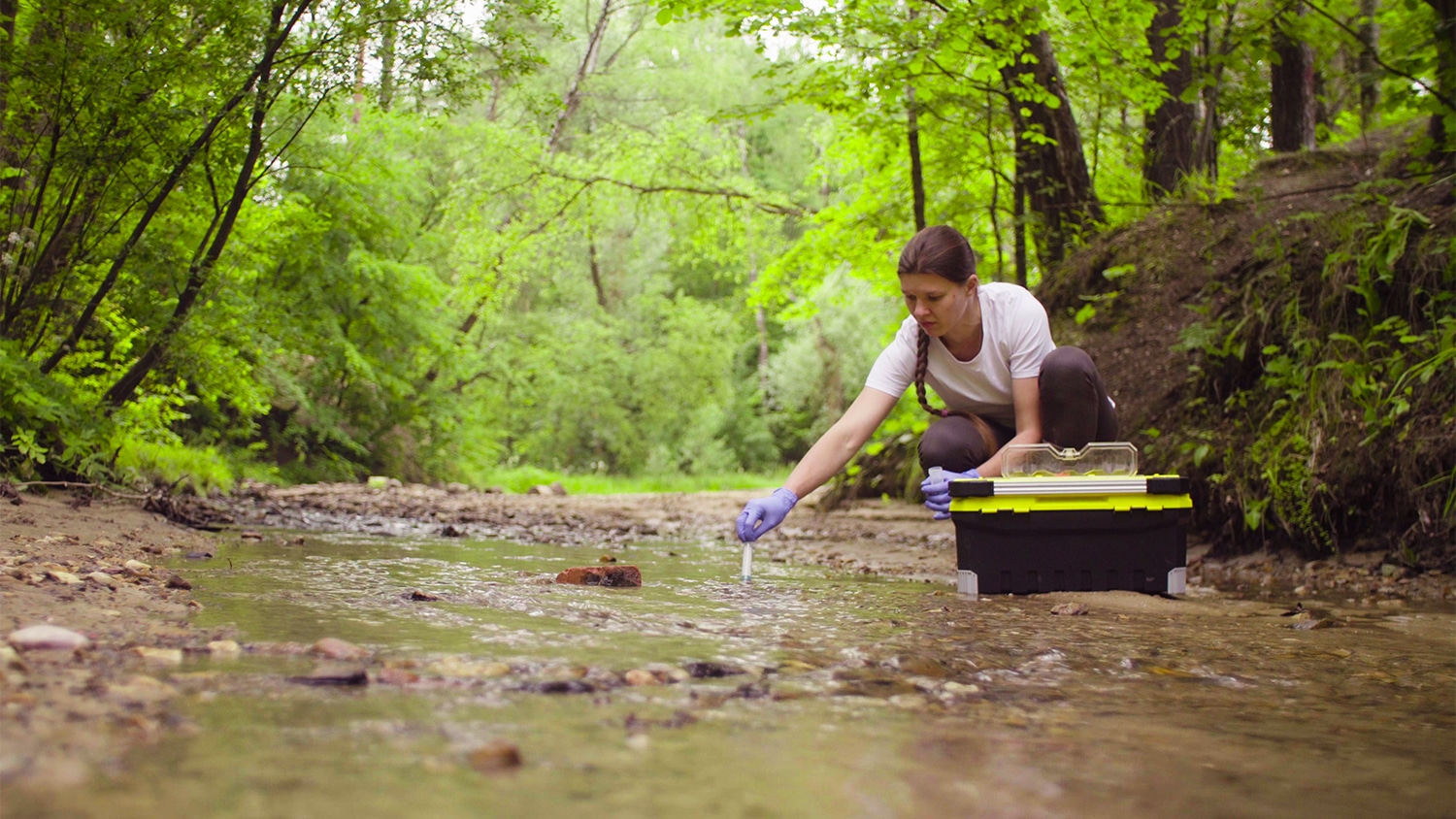
You can choose from several crew types—trail work in Raleigh or Davidson, habitat restoration in Durham, or Forest Service projects in Pisgah National Forest. If you want a deeper outdoor experience, the Youth Camping Crew spends the entire session living and working in the forest. Day crews return home each evening.
Your work may involve trail building, invasive species removal, habitat restoration, forestry projects, sign installation, and land stewardship tasks.
To join, you must be a North Carolina resident, age 15–18, and available for the full program dates. Prior experience isn’t required. Applications open in early March, with interest forms available year-round.
8. Alley Pond Environmental Center – Field Biology Internship
- Dates: Fall 2026; Spring 2027; Summer 2027
- Location: Alley Pond Environmental Center, Queens, NY
- Benefits: Hands-on field biology training; biodiversity and ecosystem research; data collection and presentation skills; mentorship; recommendation letters available
The Field Biology Internship at Alley Pond Environmental Center allows you to work directly in NYC ecosystems, conducting biodiversity surveys, bird observations, soil and water quality sampling, macroinvertebrate identification, and coastal seining using field equipment. You’re expected to attend most sessions, take part in outdoor work for at least two hours at a time, and complete a final presentation.
The program is open to high school students 14 and older. Sophomores, juniors, and seniors are prioritized, though motivated freshmen may apply. Admission includes an application, essay, and interview. After acceptance, there is a $150 participation fee, with financial aid available upon request.
9. University of Chicago – Young Innovators Climate & Energy Program
- Dates: July 12–17, 2026
- Location: University of Chicago (Residential)
- Benefits: Faculty-led climate and energy policy instruction; collaborative projects; industry exposure; strong academic credential
Young Innovators: Climate & Energy is a one-week residential program for motivated 11th graders interested in climate science, energy systems, and environmental policy. You study how energy, economics, and climate intersect through rigorous discussions and applied projects.
You learn from faculty at UChicago’s Energy Policy Institute, Becker Friedman Institute, and Climate Impact Lab, focusing on real-world challenges in sustainability and climate decision-making. The program also includes exposure to the energy industry through panels and site visits with professionals, including leaders in renewable energy.
The program is open to current 11th graders (aged 15+). Admission is selective and requires transcripts, essays, a recommendation, and a writing sample. The cost is $2,500, with generous need-based financial aid available.
10. Student Conservation Association (SCA) – Adirondack AmeriCorps Program
- Dates: May–October (typical season: mid-May to mid-October)
- Location: Adirondack region, Upstate New York
- Benefits: Weekly stipend; housing and meals provided; AmeriCorps Education Award; conservation certifications; intensive field experience
The SCA Adirondack AmeriCorps Program is a paid, full-time program for students and young adults who want deep field experience in environmental protection and land management by working on conservation projects across Adirondack Park.
Your work includes trail construction, bridge building, invasive species management, habitat restoration, and historic preservation. You live and work in crews, often camping in the backcountry for 5–10 days at a time, and learn how large-scale conservation projects are planned and executed.

You receive hands-on training in trail maintenance, chainsaw use, Leave No Trace ethics, CPR and wilderness safety, and teamwork in demanding outdoor conditions. The program also includes professional development and leadership training.
This program is best for students 18+ who want immersive, resume-building conservation experience and a strong pathway into environmental careers, public lands work, or AmeriCorps-supported roles in college and beyond.
Frequently Asked Questions
1. What is the most prestigious environmental science internship for high school students?
Some of the most prestigious environmental science internships for high school students are university-affiliated research programs and nationally recognized conservation organizations like UPenn TREES, Horizon Academic Research Program, and Student Conservation Association.
2. Do environmental science internships require prior experience?
Most do not. Strong interest, academic readiness, and a complete application matter far more than prior research or field experience.
3. Are environmental science summer internships available for high school students?
Yes. Many environmental science summer internships are designed exclusively for the summer and run as full-time or part-time programs through universities, research labs, and conservation organizations.
4. How competitive are environmental high school internships?
Selectivity depends on the environmental science program. Research-focused and paid environmental high school internships are typically the most competitive, while field-based conservation programs tend to be more accessible.
5. Do environmental internships help with college applications?
Yes, environmental internships strengthen applications by showing initiative, applied learning, and sustained engagement—especially for students applying to STEM, environmental studies, or public health majors.
Takeaways
- Environmental science internships for high school students offer hands-on experience in research, conservation, and sustainability. Students build practical skills through data collection, fieldwork, environmental analysis, and scientific communication that translate directly to college-level work.
- Both research-focused and field-based programs strengthen STEM and environmental studies college applications by showing commitment and applied learning.
- There are strong options for every interest level, from climate and energy policy to ecology, conservation biology, and environmental health.
- If you want help identifying the right environmental science internships for high school students and positioning your experience for selective colleges, our Private Consulting Program can help you choose strategically and present your work with impact.