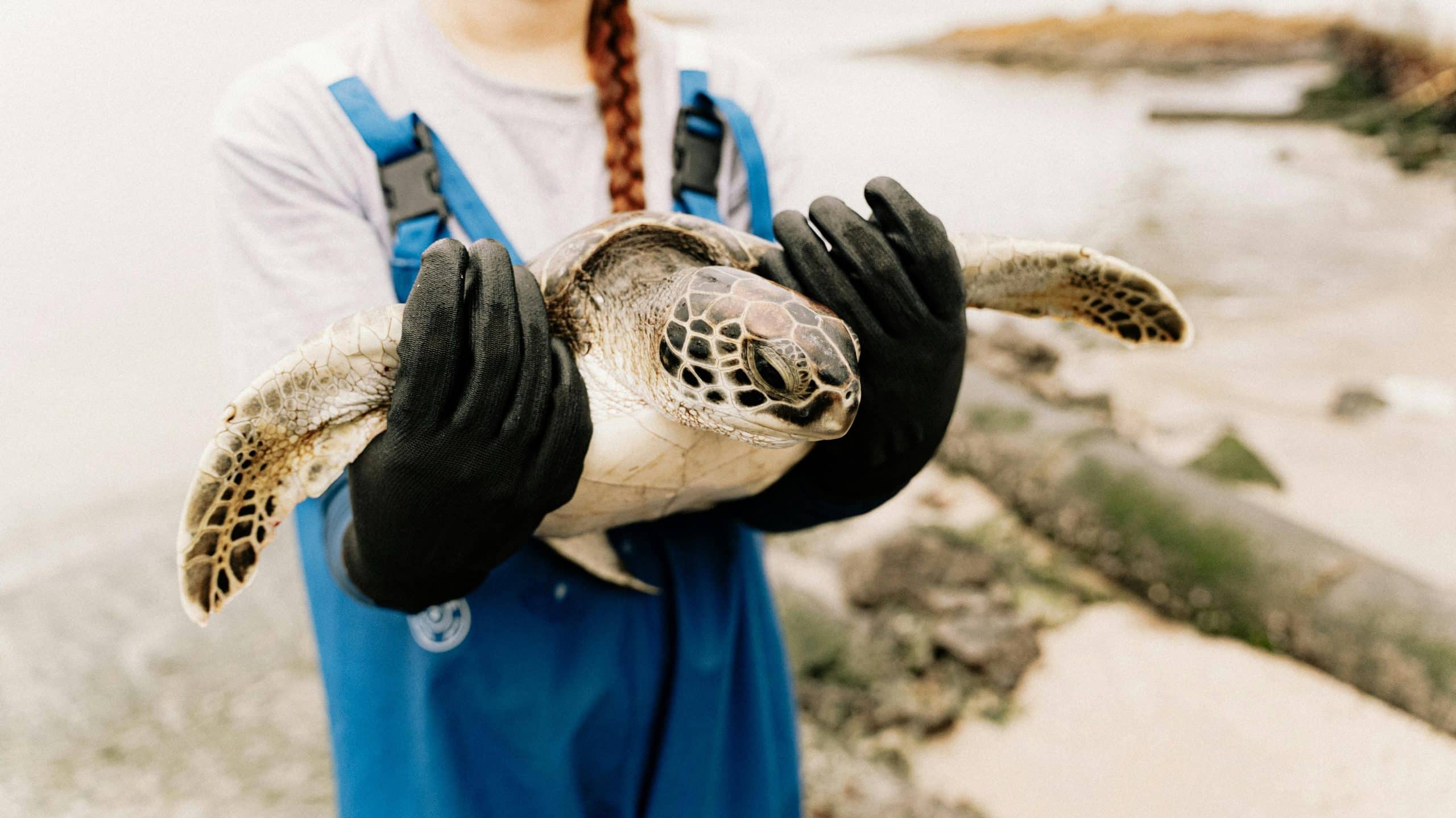
Marine biology internships for high school students combine research, conservation, ocean exploration, animal care, and hands-on scientific discovery. You’ll work directly with scientists on related tasks from collecting water samples to helping rehabilitate marine mammals. They also boost college application by demonstrating intellectual curiosity, initiative, and STEM engagement outside the classroom.
Below, we highlight ten of the best marine biology internships for high school students, featuring top research opportunities and field-based programs across leading institutions.
- Best Marine Biology Internships for High School Students
- Shoals Marine Laboratory – Young Marine Scientist Program
- Hutton Junior Fisheries Biology Program
- UC San Diego Research Scholars – Marine Science Track
- SUNY Oneonta Biological Field Station – High School Research Internships
- Marine Mammal Center – Youth Crew High School Student Volunteer Opportunity
- Natural History Museums of Los Angeles County (NHMLAC) — Marine Teens Internship
- New England Aquarium – Summer Teen Internships
- Dolphin Research Center Internships
- SoundWaters Senior Interns & SoundGeneration High School Internships
- Kwiáht Marine Research Apprenticeships
- Frequently Asked Questions
- Takeaways
Best Marine Biology Internships for High School Students
The best high school marine biology internships provide true scientific immersion with responsibilities like fieldwork, ecological surveying, species identification, data collection, marine mammal care, and environmental monitoring. Strong programs pair students with professional researchers, provide structured mentorship, and allow them to build real scientific skills that look great on college applications.
Having these experiences on your college application can improve your chances of acceptance at the best marine biology schools in the country, like UC San Diego and the University of Miami.
The table below highlights the top programs, their ranking, location, and program dates.
|
Rank |
Program Name | Location |
Program Dates |
|
1 |
Shoals Marine Laboratory – Young Marine Scientist Program | Appledore Island, Maine/New Hampshire | July 13–August 17, 2026 (Multiple 1–2 week courses) |
| 2 | Hutton Junior Fisheries Biology Program | Local placement across U.S., Canada, Mexico, Puerto Rico, and Pacific Islands |
June–August 2026 (8 weeks) |
|
3 |
UC San Diego Research Scholars – Marine Science Track | UC San Diego & Scripps Institution of Oceanography, La Jolla, California | Winter, Spring, and Summer 2026 |
| 4 | SUNY Oneonta Biological Field Station – High School Research Internships | Biological Field Station (BFS), Otsego Lake & Susquehanna Watershed, Cooperstown, New York |
Late May–August (9 weeks) |
|
5 |
Marine Mammal Center – Youth Crew High School Student Volunteer Opportunity | Sausalito, California | July 8 (application); January–August 2026 (8 months) |
| 6 | Natural History Museums of Los Angeles County (NHMLAC) — Marine Teens Internship | Natural History Museum of Los Angeles County, Los Angeles, California |
April–May 2026 (Spring); June–July 2026 (Summer) (6 weeks) |
|
7 |
New England Aquarium – Summer Teen Internships | Boston, Massachusetts | Summer 2026 (7 weeks) |
| 8 | Dolphin Research Center Internships | Grassy Key, Florida (Florida Keys) |
January–April (Winter Term); May–August (Summer Term); September–December (Fall Term) |
|
9 |
SoundWaters Senior Interns & SoundGeneration High School Internships | Stamford, Connecticut | May–June (Spring Senior Interns); Throughout the school year (SoundGeneration) |
| 10 | Kwiáht Marine Research Apprenticeships | San Juan Islands, Washington |
Year round (4–12 weeks) |
Let’s discuss each program one by one.
1. Shoals Marine Laboratory – Young Marine Scientist Program
- Dates: July 13–August 17, 2026 (Multiple 1–2 week courses)
- Location: Appledore Island, Maine/New Hampshire
- Benefits: 1–4 Cornell University credits, hands-on fieldwork, small classes, residential island experience
The Shoals Marine Laboratory Young Marine Scientist Program lets you experience life as a researcher on a remote island field station, so you feel like you’re stepping into the ocean ecosystem itself.
You’ll choose from several college-level, credit-bearing courses—such as Marine Environmental Science, Introduction to the Biology of Sharks, Skates, and Rays, Marine Vertebrates of the Gulf of Maine, or Introduction to Scientific Illustration. Depending on the course, you might expect to deploy oceanographic equipment, explore the rocky intertidal zone, visit seal and seabird colonies, dissect sharks and rays, or even observe whales in their natural habitat.
You’ll earn official Cornell University credits and work closely with faculty in small groups, typically with a 1:5 to 1:8 ratio.
High school students enroll through Cornell University. Tuition for 2026 is $1,940 per credit, room & board is $225 per night (including meals and housing), and each course carries a $400 program fee to cover equipment, specimens, and field operations.
To be eligible, you must have completed grades 10–12 and earned at least a B– in two year-long science courses. Applications open February 4, 2026 and admissions are on rolling-basis, so apply early to secure your spot.
2. Hutton Junior Fisheries Biology Program
- Dates: June–August 2026 (8-week internship)
- Location: Your local area — placements available in all 50 U.S. states, Canada, Mexico, Puerto Rico, and Pacific Islands
- Benefits: $3,000 stipend, one-on-one mentorship, hands-on field and lab experience, national networking
The Hutton Junior Fisheries Biology Program is for high school students interested in fisheries, aquatic biology, or environmental science. This 8-week paid internship, sponsored by the American Fisheries Society, places you with a fisheries professional within commuting distance of your home. You’ll work about 32 hours per week, and your schedule is set directly by your mentor.
During your internship, you’ll participate in related scientific fieldwork and lab activities—such as aquatic vegetation restoration, electrofishing, and even assisting with children’s environmental programs. Many mentors also take students on overnight field trips and extended field days.
You’ll receive $3,000, paid in three installments, and gain experience that past scholars say directly shaped their academic and career paths.
To be eligible, you must be a rising high school senior or rising college freshman (class of 2026 or 2027) and at least 16 years old by your start date.
3. UC San Diego Research Scholars – Marine Science Track
- Dates: Winter 2026 (deadline Jan 23), Spring 2026 (deadline Mar 13), Summer 2026 Tier 2 opens January 2026
- Location: UC San Diego & Scripps Institution of Oceanography (La Jolla, California)
- Benefits: Tiered marine science curriculum, research experience with SIO faculty, fieldwork opportunities, UCSD pre-college units
The UC San Diego Research Scholars program immerses you in university-level learning through a structured three-tier sequence:
- Tier 1. You’ll take Introduction to Marine Science (online or in-person), completing interactive lessons, live discussions, virtual labs, and guest speaker sessions.
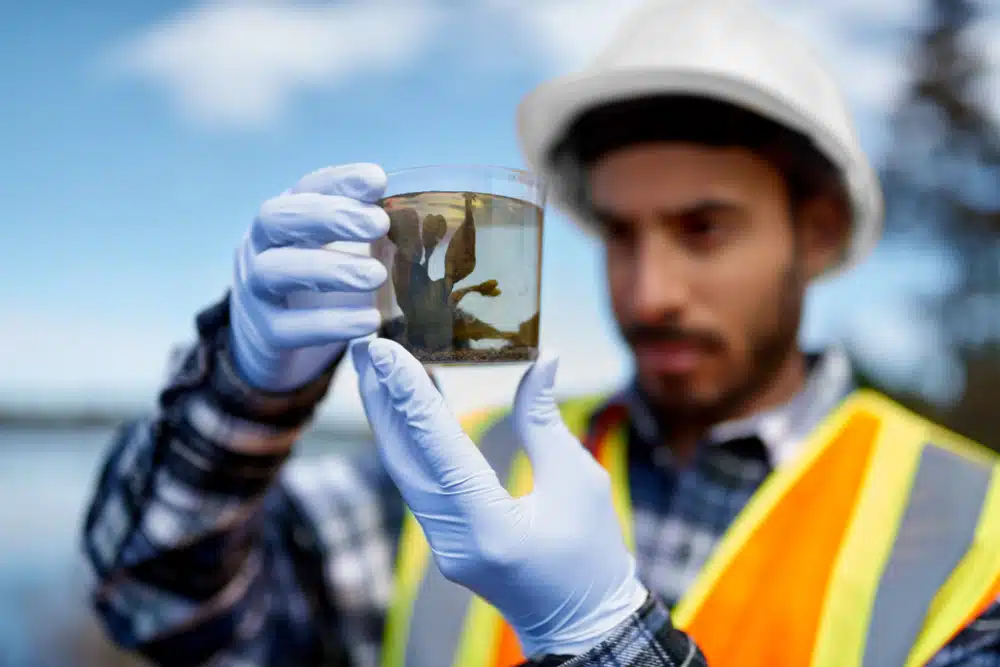
- Tier 2. You’ll collaborate directly with Scripps Institution of Oceanography researchers on real projects in coastal ecology, coral reef restoration, animal physiology, fisheries science, and more. Field trips to intertidal zones, salt marshes, and SIO facilities deepen your hands-on learning.
- Tier 3. You’ll develop scientific writing skills and may publish your work in the program’s Marine Science Research Scholars Journal.
Courses award UC San Diego pre-college units (non-credit-bearing but often transferable for high school credit). Tuition varies by course, and students must submit payment within two weeks of acceptance. Applications are accepted on a rolling basis and may close early once capacity is reached.
To be eligible, you must be in grades 9–12 (recent graduates welcome). Tier 2 requires either completion of Tier 1 or prior coursework such as AP Biology or Environmental Science, with a transcript submitted for verification. Because the program fills quickly, you’re encouraged to apply early to secure your spot.
4. SUNY Oneonta Biological Field Station – High School Research Internships
- Dates: Late May–August (9 weeks)
- Location: Biological Field Station (BFS), Otsego Lake & Susquehanna Watershed, Cooperstown, NY
- Benefits: $3,000 stipend, intensive field + lab research, college credit, faculty mentorship, research poster + technical report
The SUNY Oneonta Biological Field Station offers one of the strongest field-based programs for high school students in New York State. This 9-week internship places you directly into active research on Otsego Lake and its watershed, where you’ll work alongside faculty, staff, and undergraduate researchers.
Your daily work includes a mix of field surveys like fish population sampling and plant surveys, lab analysis like zooplankton ID and fish dissections, and data processing. You’ll also attend weekly seminars on lake ecology and watershed science, present updates to the BFS team, and create both a large-format research poster and a technical report for the BFS Annual Report. Independent projects may be approved depending on faculty availability.
High school interns receive a $3,000 fellowship upon successful completion of program deliverables. You’ll also earn 1 free semester hour of undergraduate college credit, with the option to add additional credits at your own expense.
Internships are open to New York State residents age 16+. 1–3 high school students are typically selected, with at least one slot reserved for an Otsego County resident. Housing is not provided for high school students, so you must arrange local accommodations.
Applications open in January 2026, and candidates with strong science backgrounds and interest in environmental research are encouraged to apply.
5. Marine Mammal Center – Youth Crew High School Student Volunteer Opportunity
- Dates: July 8 (application); January–August 2026 (8 months)
- Location: The Marine Mammal Center, Sausalito, California
- Benefits: Hands-on marine mammal care experience, public engagement training, conservation education, optional stipend (up to $4,500)
The Youth Crew program is an eight-month service-learning internship for high school students who want hands-on experience in marine wildlife care and ocean conservation.
From January to June, you’ll serve on an animal care crew, assisting with tasks such as washing equipment, sorting fish, cleaning pens, monitoring animals, and recording observations as training allows. From June to August, you’ll transition into public engagement—teaching visitors about marine science, ocean health issues, and conservation challenges. You’ll also have monthly online tasks and required training sessions.
Admission is competitive, with only 25–35 students chosen each cycle from more than 100 applicants. For students who need financial assistance, the program offers stipends up to $4,500 to help offset expenses such as transportation, food, and required protective gear.

You must be a high school student ages 15–18 and able to commit to weekly shifts and all mandatory program dates. No prior animal care experience is required, but applicants must complete interviews and a recommendation form.
6. Natural History Museums of Los Angeles County (NHMLAC) — Marine Teens Internship
- Dates: April–May 2026 (Spring); June–July 2026 (Summer) (6 weeks)
- Location: Natural History Museum of Los Angeles County (NHMLAC), Los Angeles, CA
- Benefits: Paid internship, mentorship, project-based learning, museum career exploration, leadership pathway
The Marine Teens Internship is a paid marine science and science-communication program designed for high school juniors and seniors who live in or attend school in Boyle Heights. As an intern, you’ll work directly with museum educators, researchers, and community partners while developing an interpretive marine science project to present to NHMLAC guests.
The internship runs in two parts: a spring session on select Saturdays and a six-week summer session where you’ll work 24 hours per week, with the final week allowing up to 40 hours.
Each year, NHMLAC selects only 10 students: eight first-year interns and two returning interns who serve as Peer Mentors. Peer Mentors take on added leadership responsibilities, helping guide and support the new cohort.
You must be a U.S. work-eligible junior or senior from Boyle Heights to apply. The application link will reopen in February 2026, and transportation for off-site learning visits across Los Angeles County is included.
7. New England Aquarium – Summer Teen Internships
- Dates: Summer 2026 (1 week of training + 6 weeks of paid work)
- Location: Boston, Massachusetts
- Benefits: Paid internship, marine science training, public speaking skills, youth development workshops
The New England Aquarium Summer Teen Internship Program is a paid opportunity for students age 14 or older, primarily from Boston and Cambridge, who want hands-on experience in marine science, conservation, and public engagement. You’ll begin with a one-week training, followed by six weeks in one of two paid roles:
- Visitor Services Assistant. You’ll help greet guests, support customer service, and offer basic educational information at exhibits.
- Interpretation & Engagement Aquarium Guide. You’ll teach visitors about marine animals, climate change, and conservation while facilitating hands-on activities throughout the Aquarium.
Throughout the internship, you’ll participate in weekly professional-development and ocean-advocacy courses, gain skills in public speaking and time management, and take part in optional behind-the-scenes workshops.
Applications for summer 2026 will open in March 2026, and spots fill quickly due to high demand.
8. Dolphin Research Center Internships
- Dates: January–April (Winter Term);May–August (Summer Term); September–December (Fall Term)
- Location: Grassy Key, Florida (Florida Keys)
- Benefits: 16–18 week professional training, behind-the-scenes exposure to marine mammal care, multi-department experience
The Dolphin Research Center (DRC) offers a 16–18 week unpaid internship designed for emerging marine science students who want experience working inside a marine mammal facility.
You’ll train 40 hours per week, spending four days in your primary department—such as Animal Care & Training, Education, Research, Medical, IT, or Visual Communications—and one day supporting operations through the Volunteer Resources Pool.

Throughout the term, you’ll complete hands-on tasks like assisting with dolphin or sea lion training sessions, preparing enrichment, collecting behavioral data, supporting veterinary procedures, helping with educational programs, or producing photo/video content for public outreach. Every intern also works on an independent study project connected to their department’s goals.
Applicants must be 18 or older, able to lift 50 lbs, and comfortable working outdoors in Florida heat. Housing isn’t provided, but DRC can share local rental leads.
Applications are accepted three times per year—October 1 (Winter), February 1 (Summer), and June 1 (Fall)—and require an application form, resume, transcripts, and two recommendation letters. Finalists interview by phone before placements are confirmed.
9. SoundWaters Senior Interns & SoundGeneration High School Internships
- Dates: May–June (Spring Senior Interns); Throughout the school year (SoundGeneration)
- Location: Stamford, Connecticut
- Benefits: Marine research experience, animal care training, fieldwork on Long Island Sound, leadership and lab skills
SoundWaters gives you two strong internship options that let you work directly with Long Island Sound’s ecosystems.
The Spring Senior Internship (Day Program) runs from May to June and places you on the front lines of SoundWaters’ marine education work. You’ll help staff teach field programs, identify live estuary species, run water chemistry tests, maintain aquariums, and even lead your own learning station.
The SoundGeneration Internship runs throughout the school year and is much more immersive. You’ll meet several times each week to conduct research, care for live animals, maintain lab equipment, and build skills in boat handling, project organization, and leadership.
You can choose to focus as a Lab Assistant—working with fish, crabs, and terrapins—or as a Research Assistant, joining fieldwork on the SoundWaters research vessel to conduct water-quality sampling, plankton monitoring, and kelp/oyster farming studies.
Both internships are free and open to students 15 or older, making them accessible opportunities to grow in marine science.
10. Kwiáht Marine Research Apprenticeships
- Dates: Year round (4–12 week apprenticeships)
- Location: San Juan Islands, Washington
- Benefits: One-on-one mentorship, independent research, field and lab training, potential stipends, publication opportunities
The Kwiáht Apprenticeship Program gives you the chance to conduct scientific work in one of the most biologically rich regions of the Pacific Northwest.
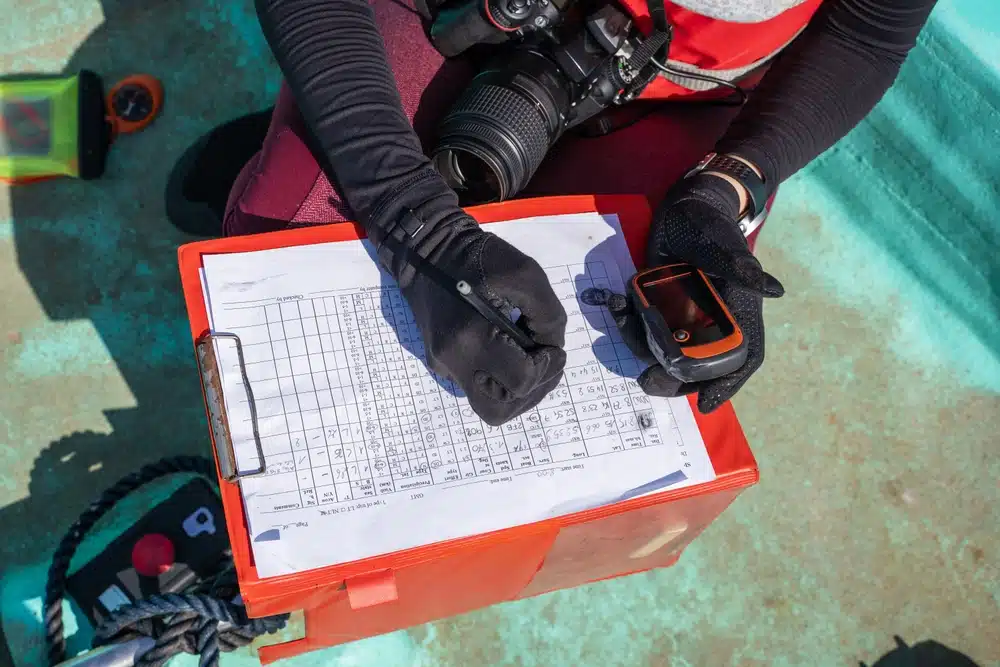
As an apprentice, you’ll work directly with Kwiáht researchers on projects involving ecology, conservation biology, plankton studies, salmon monitoring, invertebrate surveys, and more.
You can join the program in two ways: you may be nominated by your school (common for students in the San Juan Islands and Tribal communities), or you can submit your own proposal describing your research question, data collection plan, and why your project belongs in the Islands. Proposals are reviewed on a rolling basis and usually receive a response within 30 days.
During your apprenticeship, you’ll spend 4–12 weeks in the field and lab, contributing to ongoing conservation work. Mentors help you refine your project, and you’re encouraged to write up and publish your findings.
Kwiáht prioritizes students with ties to the Islands or those who can arrange local housing, but motivated applicants from elsewhere are still welcome to apply. High-performing apprentices may be eligible for modest living stipends, especially students whose projects align with active Kwiáht research grants. Tribal high school students can also apply for funded Conservation Biology apprenticeships for Summer 2026.
Frequently Asked Questions
1. What is considered the most prestigious marine biology internship for high school students?
The most prestigious options are the Shoals Marine Laboratory, Young Marine Scientist Program, and the Hutton Junior Fisheries Biology Program. Shoals offers competitive, college-level Cornell courses taught on a dedicated research island, while Hutton provides a nationally recognized paid placement with fisheries scientists across the U.S., Canada, Mexico, Puerto Rico, and the Pacific Islands.
2. Do these programs require previous marine biology experience?
Most programs on the list do not require prior marine science experience. Shoals, Hutton, UCSD Tier 1, Youth Crew, New England Aquarium, SoundWaters, and Kwiáht welcome motivated students with basic science backgrounds. However, some advanced options—like UCSD Tier 2, select SUNY Oneonta placements, or higher-level roles at the Dolphin Research Center—expect either foundational coursework or demonstrated academic readiness.
3. Are there virtual marine biology internships available?
A few programs offer online or hybrid components, such as UC San Diego’s Tier 1 Introduction to Marine Science, which can be taken virtually. Most of the major internships highlighted—especially those focused on fieldwork, animal care, or lab research—remain primarily in-person, with limited fully remote opportunities.
4. How competitive are high school marine biology internships?
Competitiveness varies, but many of these programs admit a relatively small number of students. Shoals courses fill quickly, Hutton reviews applications nationally and places only a portion of applicants, and the Marine Mammal Center Youth Crew typically selects 25–35 students from over 100 applicants. The Marine Teens program takes only 10 interns each year, and the New England Aquarium sees strong demand for its paid positions. SUNY Oneonta, SoundWaters, and Kwiáht also offer limited, high-responsibility roles that make admissions selective.
5. Can marine biology internships improve my college application?
Yes. All ten programs provide meaningful scientific or conservation-based experience—whether through field research, lab techniques, animal care, ecological surveys, or public engagement. These internships demonstrate initiative, academic interest, and scientific skill-building, which are qualities colleges value, especially for students interested in marine science, biology, or environmental studies.
Takeaways
- High school marine biology internships give you hands-on experience—whether through field research, ocean sampling, animal care, or lab work—that goes far beyond what you learn in a typical science class. These programs help you build scientific skills such as data collection, species identification, ecological surveying, and research communication.
- Many marine biology internships for high school students offer direct mentorship from scientists, access to university-level facilities, and opportunities to work on real conservation projects.
- Participating in top high school marine biology internships strengthens your college applications by demonstrating initiative, academic curiosity, and commitment to environmental science.
- If you want personalized guidance on choosing the right internships—or need help strengthening your applications—our private consulting program can walk you through competitive selection, essay strategy, and overall admissions planning.