

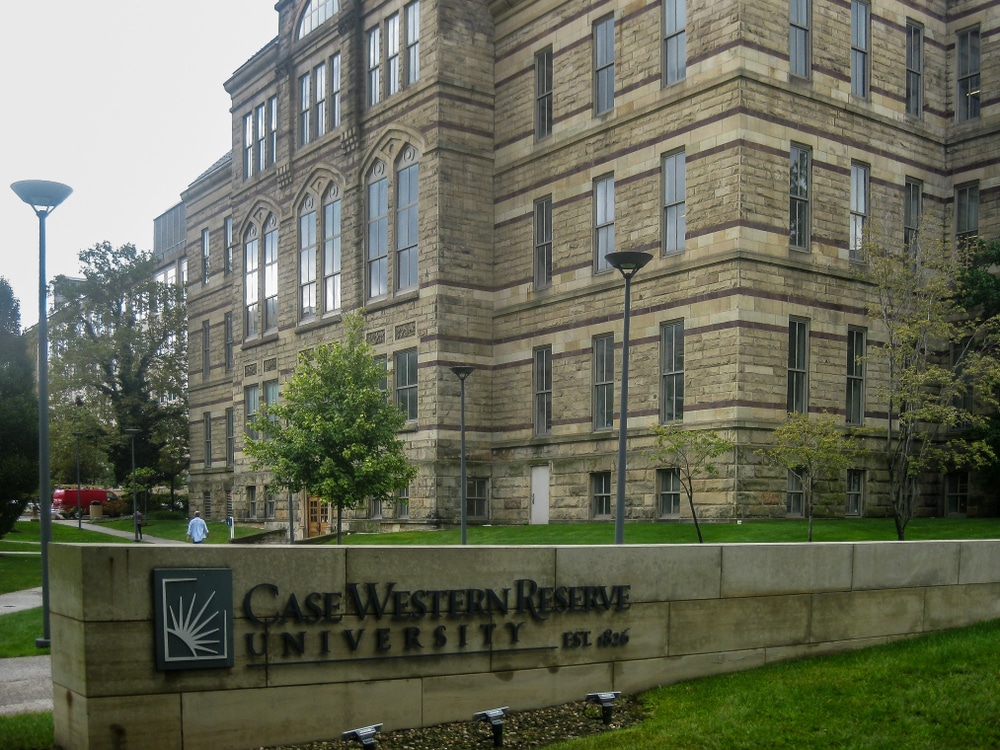
Case Western Reserve University is a private research university in Cleveland, Ohio, but you might be wondering: is Case Western a good school?
Case Western is a good school with its prestigious reputation and many awards—but even if you’re interested in the school, you might still wonder if it’s the right choice. Let’s look at Case Western’s strengths and weaknesses, offering insights into academics, campus life, costs, and career prospects to help you make more informed decisions about your future.
- Quick Overview of Case Western Reserve University
- Pros: What Makes Case Western a Good School
- Cons: Things to Keep in Mind About Case Western
- Frequently Asked Questions
- Takeaways
Quick Overview of Case Western Reserve University
Case Western Reserve University has a rich history dating back to 1826.
It used to have the name Western Reserve College and was the first college in northern Ohio, in a region that actually used to be called the Connecticut Western Reserve. In 1882, the school moved to where it sits today and assumed the name Western Reserve University.
In 1967, the university officially merged with Case School of Applied Science, which had an adjoining campus. This combined liberal arts and engineering excellence into a single institution.
Today, Case Western is known as a good school particularly recognized for its programs in engineering, nursing, and business. It is also highly regarded for its innovative approach to education, including experiential learning opportunities like co-ops and internships.
Pros: What Makes Case Western a Good School
As a prestigious university with world-class programs, there are many pros to attending Case Western Reserve University. These factors make Case Western a good school:
High-quality academic programs
Case Western currently ranks #51 among national universities. It also ranks in a few other categories:
- #9 in nursing
- #20 in first-year experiences
- #23 in undergraduate research/creative projects
- #43 in best undergraduate engineering programs
- #63 in most innovative schools
Case Western’s faculty is one of its greatest assets, and the roster includes renowned scholars, researchers, and industry leaders. These experts make Case Western a good school that brings knowledge and experience to the classroom so students get an education grounded in both theory and practice.
Some of their faculty have earned Senior Scientist Awards from the Alexander von Humboldt Foundation, Alfred Einstein Awards from the American Musicological Society, among others. There are also many fellows in institutions such as the American Academy of Nursing and the American Statistical Association.
Case Western has a student-to-faculty ratio of 9:1, with 70% of its classes having fewer than 30 students. The small class sizes encourage close interactions between students and professors, which improves the learning experience and provides better mentorship opportunities.

Research opportunities
Case Western Reserve University is a good school if you are looking for research opportunities.
Case Western actively encourages undergraduate research participation. In fact, many departments offer research programs, some of them letting students work alongside faculty mentors on projects. The university offers educational seminars and information sessions to help you start your research projects. It also lists tips and opportunities where you can find inspiration on what to research.
Case Western is an especially good school with strengths in STEM research, with advanced laboratories and specialized equipment. This can be seen through well-known research centers and institutes, such as the Case Comprehensive Cancer Center and the Macromolecular Science and Engineering Program.
Case Western also has partnerships with institutions like Cleveland Clinic, NASA Glenn Research Center, and University Hospitals—which further improve access to world-class research environments.
By prioritizing research and providing many opportunities for student involvement, Case Western is a good school that creates a culture of inquiry and discovery that empowers students to become the next generation of innovators and leaders in their chosen fields.
Experiential learning
Case Western puts a strong emphasis on experiential learning by giving students many opportunities to apply their classroom knowledge in real-world situations.
Its cooperative education (co-op) program is particularly popular among engineering students. Here, you can take time off classes to work in paid, full-time positions, gaining practical experience and building professional networks.
The Practicum Program in fields like nursing and social work lets you engage directly with patients or clients, honing your skills under professional supervision. Meanwhile, business students participate in consulting projects through the Weatherhead School of Management, collaborating with companies to solve real-world challenges.
The university’s Sears think[box] innovation center empowers students from all disciplines to design, prototype, and launch their ideas by providing resources for entrepreneurship and innovation.
Case Western has an experiential education database that lists all the opportunities that you can filter through to find the best experience for your major, career goals, and interests.
Career prospects
Case Western Reserve University offers resources and support through its Career Center. They have individualized career counseling sessions to help you explore career options, create good job search strategies, and improve resumes and cover letters.
The Career Center also hosts many on-campus and virtual job fairs that connect you with potential employers from different industries. They also hold workshops and seminars on topics such as resume writing, interviewing skills, salary negotiation, and career exploration.
Cleveland’s location houses big names in various industries, offering several career advantages that make Case Western a good school for students looking for great work opportunities. In fact, some of the top employers that seek Case Western talent include Cleveland Clinic, Eaton, and Keybank. Even outside of the area, institutions like Amazon, Microsoft, and Duke University Medical Center also hire Case Western graduates.
The university’s graduates also have high employment rates and competitive starting salaries—with 55.2% of the Class of 2023 having full-time employment and a median salary range of $75,000-79,999 for full-time positions.

Notable alumni
Case Western has its share of successful alumni in different industries. Their network includes:
- Paul Buchheit. An American computer engineer who invented Gmail. He also created the original prototype of Google AdSense.
- Stephanie Tubbs Jones. She was Ohio’s first Black congresswoman. Before that, she was also the state’s first Black female common pleas judge and county prosecutor.
- Barry Meyer. He was the chairman and chief executive officer of Warner Bros. Entertainment from 1993-2013.
- Donald Glaser. A physicist who won the Nobel Prize for Physics in 1960 for his invention of the bubble chamber.
- JoAnn E. Manson. A pioneering researcher in women’s health whose work recognized that men and women may have different reactions to diseases and drugs.
Generous financial aid
This may surprise you, but another thing that makes Case Western a good school is its generous selection of financial aid options—saying that it meets 100% demonstrated need of admitted students.
You can apply for need-based aid at any point in your stay, but only if you complete the university’s financial aid application requirements in your first year to be eligible. That means even if you don’t need aid in your first year, it’s better to submit the requirements anyway in case you need it in the future.
If you don’t get accepted for need-based financial aid, there are other scholarships you can receive:
- Michelson-Morley STEM Scholarship. Given to exceptional students who enroll in science, technology, engineering, or mathematics fields.
- Case Western Reserve University Leadership Scholarships. Given to first-year applicants who have shown excellent leadership in academics and extracurriculars.
- Joan C. Edwards Scholarship. Given to students in the Cleveland Metropolitan School District who want to become a physician.
- Performing Arts Scholarships. Full-tuition scholarships given to excellent performing arts students, from music majors to theater majors.
Student life
Case Western hosts various social, cultural, and academic events throughout the year. These include student-led performances (such as those by the Case Western Footlighters theater group and Department of Music students) and speaker series featuring renowned thought leaders (such as the Power of Diversity Lecture series with speakers like Todd Green and Dr. Homayra Ziad).
Case Western also holds the Hudson Relays yearly. This is the oldest tradition on campus, which was created in 1910 to commemorate the school’s move from Hudson to Cleveland. The race pits each class against the others, with their best runners going on a 26-mile relay around the campus.
The tradition also states that if the same class wins all four years in a row, the President and Provost will treat them to a steak and champagne dinner. So far, only three classes have ever reached that goal.
Another campus tradition is the Springfest, which is a student-planned event that takes place every last Saturday of the spring semester. Here, you can expect inflatable attractions, novelty games, student organization booths, and lots of food!
Case Western is also a good school thanks to its location, you are also surrounded by local attractions and activities off-campus. The school is in University Circle, where arts and educational institutions like the Cleveland Museum of Natural History and Cleveland Botanical Garden are within walking distance.
You can also try Italian restaurants and bakeries at Little Italy or do water activities and relax at Lake Erie.

Cons: Things to Keep in Mind About Case Western
Despite the advantages, we should also discuss the potential drawbacks of attending Case Western to give you a fuller picture of what to expect from the university.
Competitive academic environment
Case Western doesn’t have a minimum GPA requirement but admitted students have an average GPA range of 3.6 and 4.0, making it one of the more competitive institutions nationally. As such, you can expect a demanding academic environment.
The demanding coursework, competitive environment, and pressure to succeed can lead to high levels of stress and anxiety among students.
The constant pressure to excel in academics and extracurriculars might negatively affect your mental and physical well-being. This can lead to burnout, sleep deprivation, and other health issues.
However, it’s important to remember that students will respond to academic pressure differently. So while some students can find the pressure too overwhelming, Case Western’s challenging environment might make it a good school where others can thrive.
Case Western also offers resources to support student well-being, such as counseling services and wellness programs.
Location considerations
We talked about the good things regarding Case Western’s location as an urban university in Cleveland. However, we should also discuss how this has potential drawbacks.
For one, Cleveland has harsh winters with heavy snowfall, frigid temperatures, and prolonged periods of gray weather. This can be challenging, especially if you aren’t used to cold weather. Some students may even experience seasonal affective disorder, which can affect their quality of life.
Case Western takes steps to ensure campus safety, but living in an urban environment can still present potential safety concerns—such as crime and urban decay in certain areas. As such, you will still be advised to remain vigilant, especially when traveling off-campus or at night.
The urban environment also has other challenges. Noise pollution from traffic, construction, and other urban activities might be a concern for you, and the constant stimulation of city life can also be distracting. Some may find it tempting to prioritize entertainment or social activities over academics, especially with easy access to restaurants, nightlife, and other events.
Limited social scene
Despite hosting multiple events like the Springfest and Hudson Relays, Case Western still has a relatively limited social scene than larger institutions.
As a smaller university with a strong emphasis on academics and research, Case Western’s campus culture can sometimes feel subdued compared to larger institutions with more robust athletic programs like Stanford or frequent large-scale events like Yale. While there are many clubs, organizations, and activities, if you want a livelier social life, Case Western’s relatively less engaging environment might not make it a good school for you.
Case Western’s campus is in Cleveland’s University Circle, so it’s integrated into the city rather than being a sprawling, self-contained environment. This setup can also limit the availability of open recreational spaces and restrict large-scale campus-wide activities.

Frequently Asked Questions
1. What is Case Western known for?
Case Western is known for its world-class research and innovation, particularly in the STEM fields, with students taking advantage of research opportunities starting from their freshman years. One of its more recent breakthroughs is the creation of small-scale models of human biology for pharmaceutical companies to test new compounds on.
2. Is Case Western an elite school?
Yes, Case Western is an elite school, ranking #51 among national universities. It’s also considered one of the Hidden Ivy League schools.
3. Is Case Western in a safe area?
Yes, Case Western is in a relatively safe area where the crime rate is generally low. The university has safety tips and resources you can check.
4. What is the Case Western acceptance rate?
The Case Western acceptance rate is 28.7%, making it one of the more highly selective universities that admit students who show exceptional academic and leadership abilities.
Takeaways
So, is Case Western a good school? That depends on what you value as a college student:
- Case Western offers world-class academics and research opportunities. They also emphasize experiential learning, where you can apply what you learned to real-life opportunities. Thanks to that, Case Western graduates land good-paying jobs.
- Case Western also has potential drawbacks, such as having a relatively limited social scene and competitive academic environment, which might be too overwhelming for some students.
- The college experience can significantly differ per student, so while some students believe Case Western is the perfect university for them, some might not feel like it’s the best option for their career goals—which is perfectly okay!
- If Case Western is a good school for you, a private college consultant can guide you through the admissions process and create an application that will impress admissions officers.










