

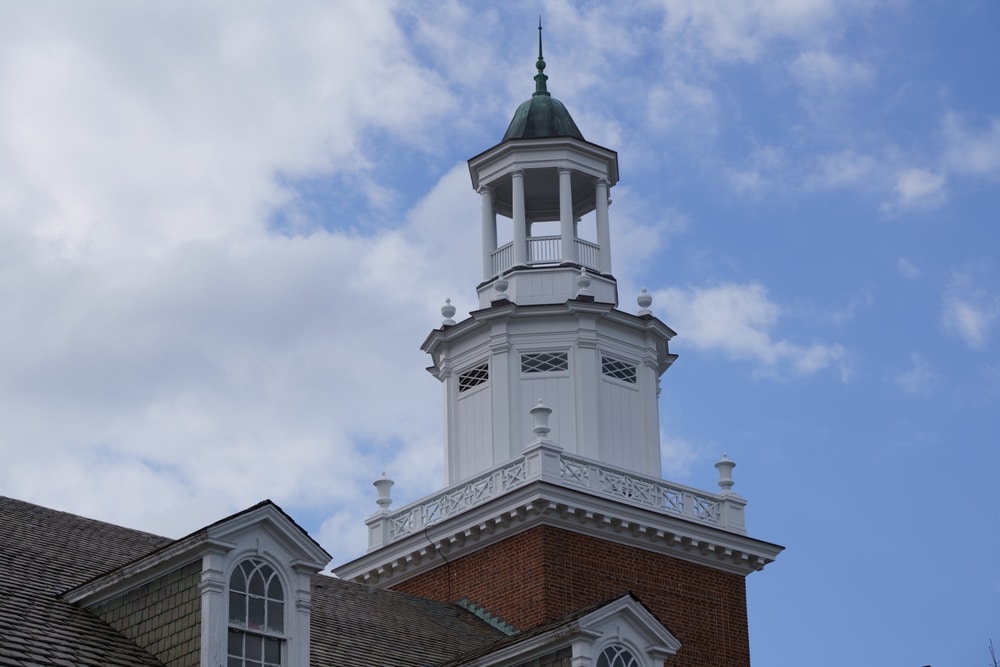
Johns Hopkins vs Duke is a tough choice between two of the top schools in the country. Both offer big-name reputations, strong academics, and competitive admissions.
This guide provides a comprehensive overview of everything you need to know about Johns Hopkins and Duke, including their acceptance rates, rankings, campus life, and financial aid. You will see how they compare, allowing you to choose the school that best suits you.
- Johns Hopkins vs Duke: Acceptance Rates
- Johns Hopkins vs Duke: Rankings
- Johns Hopkins vs Duke: Academics
- Johns Hopkins vs Duke: Campus Life
- Johns Hopkins vs Duke: Cost of Attendance
- Johns Hopkins vs Duke: Financial Aid and Scholarships
- Final Verdict
- Frequently Asked Questions
- Takeaways
Johns Hopkins vs Duke: Acceptance Rates
If you’re comparing Johns Hopkins and Duke and trying to figure out which one is harder to get into, you’ll probably want to start by looking at their acceptance rates. Both schools are highly selective, so gaining insight into the numbers can help you understand how competitive they genuinely are.
Here are the admissions stats for the Class of 2028:
| School | Total Applications | Total Accepted | Acceptance Rate |
| Johns Hopkins | 45,134 | 2,558 | 5.7% |
| Duke | 54,194 | 2,790 | 5.1% |
Duke received 54,194 applications for the Class of 2028 and admitted 2,790 students, resulting in an acceptance rate of 5.1%. Johns Hopkins received 45,134 applications and accepted 2,558, resulting in an acceptance rate of 5.7%. So if you’re just looking at percentages, Duke is slightly harder to get into.
But both schools have acceptance rates under 6%, which means they’re turning away the vast majority of applicants. Even a slight difference does not matter much unless your application is already exceptional.
Examining recent admissions trends reveals how acceptance rates at Johns Hopkins and Duke have fluctuated over the past three years.
- Johns Hopkins had an acceptance rate of 7.3% for the Class of 2026, then rose slightly to 7.6% for the Class of 2027, before dropping sharply to 5.7% for the Class of 2028. That drop makes this past cycle the most selective in recent years.
- Duke’s acceptance rate was 6.2% for the Class of 2026, which decreased to 6% for the Class of 2027, and further to 5.1% for the Class of 2028. The steady decline shows that Duke is becoming more competitive each year.
Bottom line? You are looking at two schools where it’s challenging to gain admission, regardless of the strength of your application. Focus on your academics, aim for top scores, and build a personal story that sets you apart. If either of these schools is your top choice, consider applying early to improve your chances.
Johns Hopkins vs Duke: Rankings
Rankings are not the only factor you should think about, but they do give you a way to compare two top schools side by side. Let’s see how Johns Hopkins and Duke stack up in some of the most respected national and global rankings:
| Ranking Source | Johns Hopkins University | Duke University |
| U.S. News (National) | #6 | #6 |
| Times Higher Ed (World) | #16 | #27 |
| QS World University Rankings | #24 | #62 |
Here’s what those rankings mean and how they might affect your decision:
U.S. News (National Rankings)
- Johns Hopkins: #6
- Duke: #6
Both schools are tied in the U.S. News national rankings, which measure factors such as graduation rates, academic reputation, and faculty quality. Being ranked sixth in the country puts both Johns Hopkins and Duke in the elite category.
If you are looking at name recognition and prestige within the U.S., Johns Hopkins and Duke are equally well respected.
Times Higher Education (World University Rankings)
- Johns Hopkins: #16
- Duke: #27
THE rankings focus more on research, teaching quality, and global impact. Johns Hopkins ranks higher at #16 compared to Duke at #27. The stronger global ranking reflects Johns Hopkins’ reputation as a research powerhouse, with significant contributions in fields such as medicine, international studies, and engineering.
If you are thinking about doing research or going to grad school abroad, Johns Hopkins gives you a slight edge in global recognition.
QS World University Rankings
- Johns Hopkins: #24
- Duke: #62
QS places a strong emphasis on academic reputation and employer perception worldwide. Johns Hopkins ranks #24, while Duke is at #62. That gap is bigger than in the other rankings, and it suggests that Johns Hopkins might carry more weight globally, especially if you plan to work in international health, global policy, or science-related careers.
Overall, if global recognition is a key factor for you, Johns Hopkins may offer a stronger international advantage.
Johns Hopkins vs Duke: Academics
Johns Hopkins and Duke both offer a high-powered academic experience, but the way their programs are structured and their focus areas feel distinctly different. The better fit for you depends on what you want to study and how much flexibility you prefer in your college courses.
Johns Hopkins academics
At Johns Hopkins, academics place a strong emphasis on research, innovation, and hands-on learning, particularly in STEM and global studies.
Some of the standout majors include:
- Biomedical engineering
- Public health
- International studies
- Neuroscience
- Writing
The student-to-faculty ratio at Johns Hopkins is 6:1, which gives you strong access to professors, especially in upper-level and research-focused courses. The small ratio suggests that many courses, particularly in your major, will be smaller and more personalized.
Duke academics
Duke offers strong academics across the board, and the structure gives you both flexibility and variety.
Some of the most popular majors include:
- Computer science
- Economics
- Biology
- Public policy
- Psychology
At Duke, the student-to-faculty ratio is 5:1, and 74% of classes have fewer than 20 students. That means you will spend more time in miniature, discussion-based courses where professors know your name, which helps with class participation, recommendation letters, and getting involved in research or department activities.
Johns Hopkins vs Duke: Campus Life

Campus life plays a huge role in shaping your college experience. Whether you care about where you live, what you eat, or how you spend your time outside class, both Johns Hopkins and Duke offer vibrant, activity-packed environments.
Johns Hopkins campus life
At Johns Hopkins, first-year and sophomore students are required to live on the Homewood campus, where they can choose from five different residence hall options, including suite-style and gender-inclusive housing.
- Juniors and seniors typically move off campus within a three-block radius, and the Office of Off-Campus Housing provides help with finding leases and adjusting to city life in Baltimore.
- Dining is available at seven on-campus locations that utilize locally sourced ingredients from over 20 farms, providing you with fresh and varied meals every day.
- There are over 430 student-run organizations, and about 83% of students are involved in at least one club or activity.
- You can join 50+ community service groups, participate in performance clubs, or compete in any of the 24 varsity sports teams, which include everything from lacrosse to swimming.
Duke campus life
All first-year Duke students live on East Campus, a dedicated part of Duke with residence halls, a dining hall, a gym, a library, a theater, and even tennis courts. All these are just a five-minute shuttle ride from West Campus, where most academic buildings are located.
- East Campus is also close to Durham’s Ninth Street District, where you can grab a bite at places like Whole Foods or Elmo’s Diner, or stop by the Regulator Bookshop before heading to downtown Durham.
- Duke’s campus stretches across more than 8,600 acres, offering hiking trails, botanical gardens, and large green spaces, along with cutting-edge labs and performance venues.
- Duke is home to hundreds of recognized student organizations and involvement experiences that help students connect, explore interests, and grow as leaders.
- Sports are a significant part of campus culture, and Duke basketball games at Cameron Indoor Stadium are highly anticipated events, especially when the team faces off against UNC.
Johns Hopkins vs Duke: Cost of Attendance
Paying for college is a significant decision, and both Johns Hopkins and Duke come with a high price tag. Knowing the full cost of attendance can help you and your family plan more realistically. Here is a side-by-side look at what you can expect to pay before financial aid:
| School | Total Cost of Attendance |
| Johns Hopkins | $88,976 |
| Duke | $94,217 |
Johns Hopkins cost ($88,976 total):
- $64,730 for tuition
- $500 for a one-time matriculation fee
- $11,968 for housing and $8,182 for meals
- $1,514 for personal expenses and $1,356 for books and supplies
- $726 for average transportation costs
Duke ($94,217 total):
- $70,265 for tuition
- $2,907 in required student fees
- $60 in engineering dues for Pratt School students
- $10,910 for a double room
- $10,075 for food
The total cost of attending Duke is $5,241 more per year than Johns Hopkins. Over four years, that adds up to $20,964. If you are comparing schools based on sticker price alone, that gap could be meaningful, especially if you are thinking about taking out loans or managing other college-related expenses on your own.
Johns Hopkins vs Duke: Financial Aid and Scholarships
College costs can add up quickly, but both Johns Hopkins and Duke offer strong financial aid programs that make attending more realistic for students from a wide range of financial backgrounds. If you are applying to either school, understanding what kind of support is available matters just as much as knowing the price tag.
Johns Hopkins financial aid and scholarships
At Johns Hopkins, around 52% of students receive need-based financial aid. The average need-based scholarship is $66,000, and 80% of students graduate without student loan debt. That means most students who get aid do not have to rely heavily on borrowing.
Here are the types of aid you can receive at Johns Hopkins:
- Need-based scholarships that do not have to be repaid and are awarded based on your financial aid application
- Federal student loans, which are available if needed, but are not expected to be a first option
- Part-time jobs on or near campus, which help students cover personal expenses and gain experience
- Veteran and military tuition benefits for eligible families
- Payment plans that let your family pay in smaller monthly amounts instead of one large bill
Duke financial aid and scholarships
At Duke, about 51% of undergrads receive financial aid, and 70% graduate without any student loan debt. That demonstrates Duke’s commitment to helping students graduate without a significant financial burden.
Here are the types of aid you can receive at Duke:
- Grants from Duke or the federal government that do not need to be paid back
- Federal loans, available for both students and parents if needed
- Work-study jobs to earn money during the year while building experience
- Merit scholarships, including competitive options like the Robertson Scholars Program
- Outside scholarships, which can reduce the amount of loans or work-study in your package
- Veteran benefits and tuition assistance for qualifying families
Bottom line? Both schools offer meaningful support to help you afford a top-tier education. To be considered for aid, submit the FAFSA and CSS Profile by the annual deadline. The sooner you apply, the better your options will be.
Final Verdict

Johns Hopkins and Duke are both elite universities with outstanding academics, powerful reputations, and generous financial aid. The better fit comes down to what kind of college experience you want and how you like to learn.
- Choose Johns Hopkins if you are drawn to research, medicine, or international studies. You will find standout programs in biomedical engineering, public health, neuroscience, global affairs, and writing. The Homewood campus offers a strong sense of community in the heart of Baltimore, with hands-on opportunities and a slightly lower total cost than Duke.
- Pick Duke if you want flexibility in your academics and a campus full of energy and tradition. Duke excels in fields such as computer science, public policy, economics, and biology, and offers small class sizes and close access to professors. The huge 8,600-acre campus in Durham blends classic college vibes with strong school spirit and a supportive student culture.
Both schools offer world-class academics and life-changing experiences, so focus on where you see yourself growing, learning, and thriving over the next four years. Trust yourself and go with the campus that feels like home.
Frequently Asked Questions
1. Which school is harder to get into, Johns Hopkins or Duke?
Duke is slightly more competitive, with a 5.1% acceptance rate for the Class of 2028, compared to 5.7% at Johns Hopkins. The difference is small, but it still shows how competitive Duke has become in recent years. You will need strong grades, top scores, and a standout application to be considered for either school.
2. Which is more affordable, Johns Hopkins or Duke?
Johns Hopkins is more affordable with a total cost of $88,976, while Duke’s total cost is $94,217. That means Duke costs $5,241 more per year, or $20,964 more over four years. If you are comparing based solely on price, Johns Hopkins offers a bit more flexibility.
3. Which school is better overall, Johns Hopkins or Duke?
Both schools are excellent, but the better one for you depends on what you are looking for in your college experience. Choose Johns Hopkins if you want research opportunities and top programs in public health, global studies, and STEM. Pick Duke if you want flexibility in your classes, school spirit, and a more traditional campus vibe.
Takeaways
- If you are aiming for a more competitive school to get into, Duke has a lower acceptance rate at 5.1% compared to Johns Hopkins’ 5.7%.
- You will save more at Johns Hopkins, as the total cost is $88,976, which is $5,241 less per year than at Duke.
- Consider Johns Hopkins if you are interested in research-intensive majors such as biomedical engineering, public health, or international studies.
- You might prefer Duke if you want small classes, strong school spirit, and a huge campus packed with energy and tradition.
- If you are stuck between Duke and Johns Hopkins, focus on what sets you apart in your application, visit both campuses to get a feel for the vibe, and think about working with a college admissions expert who can guide you toward the school that fits your strengths and goals.










