

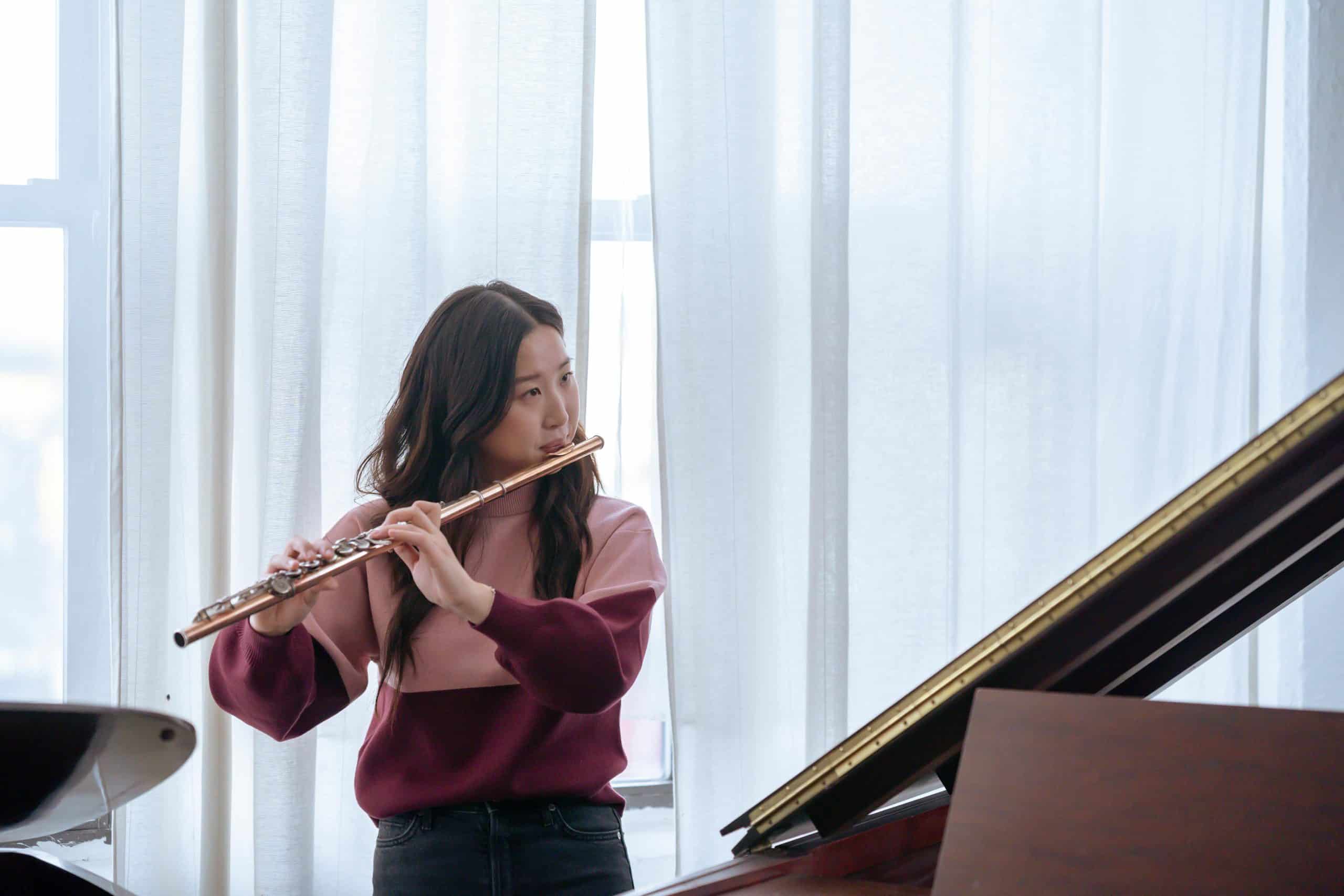
The Music Teachers National Association Competitions (MTNA) remain one of the most respected platforms for young musicians, composers, and performers across the United States. With a century-and-a-half legacy, MTNA continues to shape tomorrow’s artists through rigorous adjudication, extensive performance opportunities, and high national visibility.
For students building a standout music extracurricular profile for competitive colleges, participation in an MTNA competition, and especially placing at higher tiers, provides a compelling academic and artistic credential.
This guide covers everything you need to know about the MTNA National Competitions: categories, awards, eligibility, deadlines, how to prepare, and how to stand out.
- What Is the Music Teachers National Association Competitions (MTNA)?
- MTNA Competitions Awards and Prizes
- How to Qualify for the MTNA Competitions
- How to Get into the MTNA Competitions
- How to Win the MTNA Competitions
- MTNA Competitions Previous Winners
- Frequently Asked Questions
- Takeaways
What Is the Music Teachers National Association Competitions (MTNA)?
The Music Teachers National Association Competitions (MTNA) are among the most prestigious and wide-reaching student music competitions in the United States. Thousands of students enter each year across the Elementary, Junior, Senior, and Young Artist divisions, making MTNA one of the strongest artistic credentials a student can present on a college application.
If you enter MTNA, you typically begin at the State Round, where judges evaluate your artistry, technique, interpretation, and stylistic command. If you advance, you move to the Division Round, which is entirely video-based.
Division judges provide written comments and select finalists to perform live at the National Finals, held during the MTNA National Conference. National winners receive monetary awards and perform in the official Winners Concert for their division.
MTNA offers three major competition tracks, and you may enter more than one as long as you meet the eligibility requirements.
1. Performance Competitions
The MTNA Performance Competitions showcase your abilities on your primary instrument across three age divisions: Junior (11–14), Senior (15–18), and Young Artist (19–29). Categories span piano, strings, and woodwinds, with Senior and Young Artist also offering Piano Duet, Brass, and Voice.
Brass and Voice begin with a video preliminary round, and finalists advance to live competition. Each event evaluates artistic expression, stylistic understanding, and technical command, with the same repertoire required throughout all stages.
2. Composition Competitions
The Composition Competitions center on original student works at the Elementary (5–10), Junior (11–14), Senior (15–18), and Young Artist (19–29) levels. You submit a fully engraved PDF score and an unlisted YouTube recording.
Judges assess creativity, clarity, structure, and overall musical impact. Top compositions progress through state and division rounds, with national winners often invited to feature their works at the MTNA National Conference, offering national-level exposure for their music.
3. Chamber Music Competitions
The Chamber Music Competitions are open to ensembles of three to six performers, ages 18–29, competing in either String (which includes piano) or Wind Chamber Ensemble. Groups may include up to two vocalists.
The competition emphasizes ensemble balance, cohesion, and shared musical interpretation. Finalists perform live at the MTNA National Conference and may appear in the Winners Concert.
For the 2025–2026 competition cycle, the MTNA National Conference will be on March 21–25, 2026 in Chicago, marking MTNA’s historic 150th anniversary.
MTNA Competitions Awards and Prizes
The MTNA National Competitions offer a wide range of awards across divisions, with prizes varying by category, instrument, and age level. Below is a complete overview of MTNA prizes for every division and competition type:
| Division / Category | Prize |
| Junior Division (Ages 11–14)
Piano, Strings, and Woodwinds |
1st: $1,000
2nd: $500 3rd: $300 |
| Senior Division (Ages 15–18)
Piano, Strings, Woodwinds, and Piano Duet |
1st: $2,000
2nd: $1,000 3rd: $500 |
| Young Artist Division (Ages 19–29)
Strings and Woodwinds |
1st: $3,000
2nd: $1,500 3rd: $750 |
| Young Artist Piano (Ages 19–29)
Piano — Steinway & Sons Sponsored |
1st: $5,000
2nd: $1,500 3rd: $750 |
| Chamber Music (Ages 18–29)
String and Wind Ensembles — Sponsored by Allen I. McHose Scholarship Fund |
1st Ensemble: $3,000
2nd Ensemble: $2,000 3rd Ensemble: $1,000 |
| Composition Competitions (Ages 5–29; level-based) | Elementary (5–10):
1st: $500 2nd: $400 3rd: $300 |
| Junior (11–14):
1st: $1,000 2nd: $500 3rd: $300 |
|
| Senior (15–18):
1st: $2,000 2nd: $1,000 3rd: $500 |
|
| Young Artist (19–29):
1st: $3,000 2nd: $1,500 3rd: $750 |
In addition to standard division awards, MTNA grants special repertoire-based prizes that recognize standout interpretations of works by Chopin and by Black composers. These honors are awarded at the national level and offer additional cash recognition.
1. Chopin Prizes – Sponsored by The Chopin Foundation of the United States
- Best Chopin performance by Junior Solo Piano — $500
- Best Chopin performance by Senior Solo Piano — $1,000
2. Ebony Prizes – Sponsored by Ebony Music, Inc.
- Best Junior Solo Piano performance of a work written by a Black composer — $500
- Best Senior Solo Piano performance of a work written by a Black composer — $750
- Best Young Artist Solo Piano performance of a work written by a Black composer — $1,000
How to Qualify for the MTNA Competition
To compete in the Music Teachers National Association Competitions, you must meet specific eligibility, documentation, and registration requirements. Understanding these rules early will help you avoid disqualification and position yourself for a strong entry.
Eligibility
Your eligibility depends on your age, division, and category. Specifically, you must fall into one of the following divisions:
- Elementary/Junior: Ages 5–14 (depending on event)
- Senior: Ages 15–18
- Young Artist: Ages 19–29
- Chamber Ensembles: Every member must be 18–29
You must also study with an active MTNA teacher. If your teacher is not a member, you’ll need to pay the $200 non-member teacher fee. You are required to reside in the United States during the competition year.
You may enter more than one MTNA event, but you can only enter one category per division. Brass/Voice and Chamber Music skip state rounds; all other events begin at the state level.
Required documents
MTNA requires all materials to be complete, accurate, and submitted exactly as instructed. Once you register, you cannot change your repertoire, so every detail must be correct the first time.
You are responsible for submitting:
- A completed MTNA registration form
- A fully accurate repertoire list for all competition levels
- Age verification (government ID or school record)
- Proof of teacher membership or non-member fee
Category-specific requirements include:
- Chamber ensembles: A group photo and a 75-word ensemble bio
- Composition: A computer-engraved PDF score plus an unlisted YouTube link
Any missing or inconsistent document can result in an automatic disqualification.
Contest fees
MTNA fees vary by division and competition type. All fees are non-refundable, and if you advance to the Division Round, you must pay an additional $25 video submission fee.
Here is the full breakdown:
| Division / Category | Competition Types | Entry Fee | Additional Fees |
| Elementary | Composition only | $50 | — |
| Junior | Composition, Piano, Strings, Woodwinds | Performance: $95
Composition: $70 |
Division Video Fee: $25 |
| Senior | Composition, Brass, Piano, Piano Duet, Strings, Voice, Woodwinds | Performance: $125
Brass/Voice: $150 Composition: $100 |
Division Video Fee: $25 |
| Young Artist | Composition, Brass, Piano, Strings, Voice, Woodwinds | Performance: $135
Brass/Voice: $160 Composition: $100 |
Division Video Fee: $25 |
| Chamber Music (3–6 performers) | String Ensemble, Wind Ensemble | $160 per ensemble | — |
Registration deadline
MTNA follows strict, non-negotiable deadlines, and late submissions are never accepted. Most categories must be submitted by September 10, 2025 at 3:00 PM ET, while Brass/Voice and Chamber Music follow a later deadline of December 3, 2025 at 3:00 PM ET.
Because extensions are not granted, you should finalize your repertoire, documents, and teacher confirmations well in advance to avoid technical issues.
Note: Although the 2026–2027 deadlines have not yet been released, MTNA historically maintains the same structure: early September for most categories and early December for Brass/Voice and Chamber Music.
How to Get into the MTNA Competition
The MTNA Competition process is highly structured and consistent across all categories. Below is the sequence of defined steps from registration to the National Finals:
Step 1: Register for the correct category.
Start by choosing the competition track that matches your age, instrument, and goals.
Before you register, confirm your age eligibility, check that your teacher holds an active MTNA membership, and verify whether your state’s round is live or video-based. Once you submit your repertoire, you will not be allowed to change it.
Step 2: Prepare your repertoire.
When preparing your program, make sure you follow MTNA’s repertoire rules carefully. You’ll need to include pieces from at least two contrasting musical periods to show stylistic range, and everything on your program should be fully polished and ready to perform at the State, Division, and National levels.
If you’re competing in a piano category, concerto movements aren’t allowed, and extended techniques, such as inside-the-piano playing, are off-limits. Whenever your music calls for accompaniment, be sure to arrange for a live accompanist.
Brass and Voice events (especially Young Artist Voice, which requires six carefully curated selections) have the most detailed repertoire requirements. Any deviation can lead to disqualification.
Step 3: Submit your state or preliminary videos.
Most applicants begin at the State Round, but if you’re applying in Brass, Voice, or Chamber Music, you’ll start with national video preliminaries instead. For video submissions, MTNA has very specific recording standards that you’ll need to follow closely.
Your full body must be visible from head to toe at all times, and if your total program is under 20 minutes, it must be recorded in one continuous, unedited take. Be sure to film horizontally (landscape orientation), and do not mention or display your teacher’s name anywhere in the video. Plus, your recording must have been made within the last three months.
If you plan to include longer, multi-movement works, you may be required to submit separate links for each movement. Improper framing or edited videos may invalidate your submission.
Step 4: Compete in the state round.
Your state determines whether its competition is live or video-based. If you are the only entrant in your category, you automatically advance as the State Representative. Regardless of field size, MTNA maintains national standards, and judges listen to at least part of every program.
Step 5: Advance to the division round (video only).
If you win your state, you must submit your full video program by December 3, 2025 (3:00 PM ET). You must include:
- Every piece listed on your original registration
- Separate links for multimovement works over 20 minutes
- A $25 division video fee
- Recordings that meet all MTNA technical rules
The Division Round is entirely video-based, and you’ll receive written comments from the judges. Results are announced in mid-January 2026.
Step 6: Perform at the national finals.
If you advance as a Division winner, you’ll travel to the MTNA National Conference in Chicago to compete at the national level. At Nationals, judges will hear selected portions of your repertoire rather than your entire program, so every section must be performance-ready. From there, category winners are determined, and all first-place winners perform in their division’s Winners Concert.
National winners receive prize money and broad recognition within the classical music community, and they may also become eligible for special sponsored distinctions, such as awards supported by Ebony Music, Inc. or the Chopin Foundation of the United States.

How to Win the MTNA Competition
Succeeding at MTNA requires excellence, preparation, repertoire strategy, and adherence to rules. Below are targeted tips for each competition category.
1. Performance Categories (Piano, Strings, Woodwinds, Piano Duet)
You’ll be most competitive when your program highlights expressive variety, clear contrasts in style, texture, and character while demonstrating refined tone, phrasing, and technical control. Judges respond strongly to maturity and stylistic insight, so aim for pieces you can shape convincingly rather than those that simply push technical extremes.
Because MTNA enforces firm timing and prohibits repertoire changes, select works that comfortably fit the limit, even with the extra ten-minute allowance. Planning strategically from the start protects you from unnecessary stress later on.
To safeguard your eligibility, make sure you strictly follow all video framing and recording requirements. Attention to detail truly matters here since small technical or administrative errors can determine whether your submission is reviewed at all.
2. Brass & Voice (Senior and Young Artist)
For Brass competitors, a compelling program balances lyric lines with clean technical execution. Judges listen closely for breath management, articulation clarity, intonation stability, and pacing across a long program.
If you’re competing in Voice, you’ll be expected to demonstrate a high level of musical and technical maturity. Judges will listen closely for natural, authentic diction in all required languages, making sure your pronunciation supports both clarity and artistry.
They’ll also evaluate whether your interpretation is stylistically appropriate, reflecting a clear understanding of the composer, period, and vocal tradition. Just as important is confident memorization paired with expressive nuance, showing that you can sing the notes are communicate the text with intention and depth.
The Young Artist Voice division’s extensive six-piece program spans arias, contrasting art songs, and contemporary works, demanding stamina, versatility, and thoughtful sequencing.
3. Composition Competition
Success in composition depends greatly on clarity and craftsmanship. Your score should reflect professional engraving standards, with precise notation, clear measure numbering, and excellent formatting. Judges respond to musical ideas that develop purposefully and demonstrate an understanding of structure, color, and pacing.
Your YouTube audio must accurately reflect the score since judges expect consistency between what they see and hear.
4. Chamber Music Competition
Ensembles rise to the top when members create a unified musical identity. MTNA expects repertoire where all players contribute meaningfully, encouraging true ensemble interaction rather than solo-focused writing.
Judges listen for cohesive phrasing and articulation that reflect shared interpretive decisions, along with consistent intonation, balanced sound, and a seamless blend. Mature rehearsal habits and clear internal communication, both musical and nonverbal, further signal discipline and cohesion.
5. Presenting your best performance on video.
Every MTNA category depends heavily on video quality. Treat each recording session as a formal audition. Choose a quiet, well-lit space, wear concert-appropriate attire, and check the acoustics carefully. Follow MTNA’s technical rules without exception.
A clean, professional video often determines who advances, especially at the Division Round, where judging is entirely video-based.
MTNA Competition Previous Winners
Each year, the Music Teachers National Association recognizes some of the nation’s most promising young composers through its multi-tiered Composition Competitions.
Below is a table of all MTNA 2024–2025 first-place national winners across Composition, Junior, Senior, Young Artist, and Chamber Music divisions.
| Category | Subdivision | Winner(s) | State | Teacher(s) |
| Composition | Elementary | Jack Vernon | VA | Evan Mook, Benjamin Taylor |
| Junior | Landon Kroon | CA | Laurie Merchant | |
| Senior | Craig Charles Plante | WI | Sam Ecoff | |
| Young Artist | Ivy Kocher | SD | Paul Lombardi | |
| Junior Performance | Piano | Ella Wan | MN | Alexander Braginsky |
| String | Elim Wong | TX | Eun-song Koh | |
| Woodwind | Grace Lee | TX | Monica Song | |
| Senior Performance | Brass | Quentin Chamberlain | WA | Jeffrey Snedeker |
| Piano | William Wang | WA | Peter Mack | |
| Piano Duet | Victor Young & Forest Young | UT | Ning Lu, Jie Lu | |
| String | Daniel Qi | DE | Charles Parker | |
| Voice | Josephine Koppes | IA | Leanne Freeman-Miller | |
| Woodwind | Diego Chapela-Perez | MI | Joseph Lulloff | |
| Young Artist Performance | Brass | Ryan Lofland | MI | David Zerkel |
| Piano | Jacob McKay | ID | Scott Holden | |
| String | Marina Ziegler | TX | Paul Kantor | |
| Voice | Adam Phillips | IA | Leanne Freeman-Miller | |
| Woodwind | Austin Schilling | NY | Chien-Kwan Lin | |
| Chamber Music | String Quartet | Soha Quartet | TX | Margarita Denenburg |
| Wind Ensemble | Zed | TX | Stephen Page |
For a complete historical list of MTNA national winners, see the official MTNA Competitions announcements on the Music Teachers National Association website.
Frequently Asked Questions
1. Is the MTNA competition prestigious?
Yes. MTNA is one of the most established music competitions in the U.S., known for strict judging and national visibility. It functions as a tier-one national distinction, which is the kind of achievement that signals excellence and seriousness of training.
2. Does MTNA help with college admissions?
Definitely. MTNA awards demonstrate advanced musicianship, discipline, and long-term commitment, which are traits that top music colleges look for. For conservatories, it shows you can handle competitive performance pressures. For selective non-arts programs, it strengthens your narrative by proving sustained mastery in a demanding field.
3. How competitive is MTNA?
Very. State rounds eliminate most entrants, Division rounds narrow the field even further, and only a small fraction reach Nationals. From our perspective, the selectivity is comparable to other nationally competitive arts honors.
4. Do you need an accompanist?
Yes, unless your repertoire is written for solo performance. MTNA requires live piano accompaniment even for video rounds, so you should secure and rehearse with your collaborator early.
5. Does MTNA membership matter?
You must study with an MTNA teacher or pay a nonmember fee. Beyond eligibility, working with an MTNA teacher aligns you with nationally recognized pedagogical standards, which strengthens your preparation and credibility.
6. Where will MTNA be held in 2026?
The National Conference and National Finals will take place in Chicago from March 21–25, 2026. If you advance, you’ll perform live for national judges and an audience of educators and professionals.
Takeaways
- MTNA is a nationally recognized benchmark of musical excellence, which is an achievement that instantly strengthens your artistic and academic profile.
- Success requires early, disciplined preparation because MTNA’s repertoire rules, video standards, and deadlines leave no room for error.
- Advancing past the State Round already places you in a highly selective group, with Division and National levels signaling exceptional musicianship.
- MTNA distinctions meaningfully elevate college applications, showcasing commitment, rigor, and long-term mastery, which are qualities admissions officers value.
- Looking for other musical opportunities aside from the MTNA competitions? Our Academic and Extracurricular Profile Evaluation & Roadmap can give you a tailored strategy to maximize your impact in college applications.










