5 Key Benefits of Personal Development for Students

September 2, 2025

By Eric Eng

Founder/CEO of AdmissionSight
BA, Princeton University

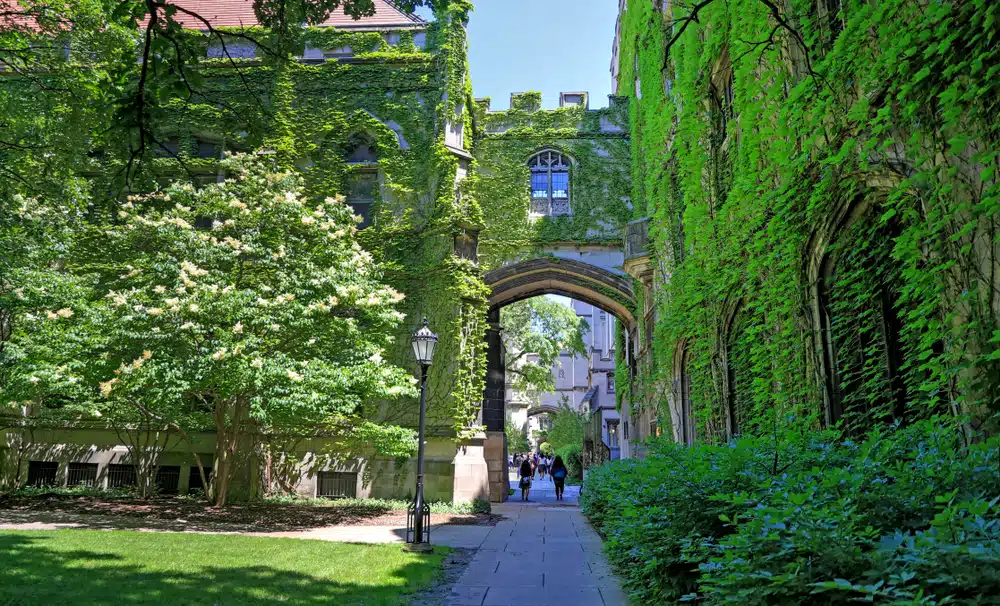
A female student enjoying a campus tour she signed up for to choose between Brown vs Harvard.

College is a period of major transition. You are adjusting to new academic challenges and managing greater independence, all the while figuring out your identity and planning your future career. With so much going on, it is easy to focus only on grades or extracurriculars while neglecting another crucial factor: personal development.

Personal development is not merely a buzzword. Scientists have studied personal development for decades, and the research shows clear benefits for students. Developing yourself can improve your academic performance, reduce stress, increase your adaptability, and prepare you for success beyond college.

In this blog, we will explore the scientific benefits of personal development using real studies and data. By the end, you will see why working on yourself is one of the smartest investments you can make during these years.

1. Better Academic Performance

Improving yourself as a student can directly raise your grades and overall academic success. A powerful example of this comes from a study led by Michaéla Schippers at Erasmus University.

Researchers introduced a simple goal-setting activity for first-year college students. The students spent a few hours writing about their personal goals and creating action plans to achieve them.

The results were remarkable:

  • Students who completed the goal-setting activity earned 22% more academic credits than those who did not participate.
  • They were also less likely to drop out during their first year.

The science behind this is straightforward. Writing down goals increases motivation and gives students a clear sense of purpose. It helps them focus on what matters and organize their efforts.

This aligns with a psychological concept called personal growth initiative (PGI), which refers to actively taking steps to grow and improve.

Additional studies on self-regulated learning support these findings. Students who regularly plan, monitor, and reflect on their learning tend to have higher GPAs and stronger study habits. Activities like journaling, creating study schedules, and tracking progress are all forms of personal development that help improve academic performance.

Key takeaway: Setting clear goals and reflecting on progress is scientifically proven to boost grades and keep you on track for graduation.

2. Improved Mental Health and Reduced Anxiety

The college environment can be stressful. You have to manage deadlines, financial responsibilities, and social changes all at once. Without the right coping skills, this stress can build into anxiety or even burnout. Personal development helps by giving you tools to manage these pressures.

a girl listening to podcast

A 2023 study published in Heliyon examined the effects of life skills training programs on college students. These programs taught students practical skills such as stress management, communication, and problem-solving. The findings were significant:

  • Students who completed the training experienced a large decrease in anxiety levels.
  • Their self-esteem increased, which is closely tied to emotional resilience.

These results show that personal development is not just a nice extra. It has a measurable impact on mental health. When you know how to manage stress and communicate effectively, you feel more confident and in control.

A separate meta-analysis on social-emotional learning programs in higher education found similar outcomes. Students who participated in structured personal development activities reported lower rates of depression and academic burnout than those who did not.

Key takeaway: By working on personal development, you can lower stress and improve your mental well-being throughout college.

3. Stronger Adaptability and Resilience

Life in college is unpredictable. You might have to deal with a sudden change in class formats, a failed exam, or an unexpected opportunity. Adaptability and resilience are the skills that help you recover from setbacks and thrive in changing situations.

One of the most researched aspects of adaptability is growth mindset, a term coined by psychologist Carol Dweck. A growth mindset is the belief that you can develop abilities through effort and learning rather than seeing them as fixed traits.

A 2025 longitudinal study in NPJ Science of Learning tracked 915 college students for four years. The researchers discovered the following:

  • Students with a strong growth mindset began college with higher GPAs than those with a fixed mindset.
  • They were more successful in courses outside their comfort zones, showing greater adaptability.
  • Over time, these students maintained consistent academic progress even when facing new challenges.

This research highlights how personal development can build mental toughness. When you see failures as opportunities to grow rather than proof of inadequacy, you are more likely to persevere and succeed.

Key takeaway: Developing a growth mindset and practicing resilience help you handle college challenges with confidence.

4. Greater Career Readiness and Job Opportunities

Employers want more than technical skills. They consistently list soft skills such as communication, problem-solving, and leadership as top hiring priorities. According to the National Association of Colleges and Employers (NACE), over 70% of hiring managers rank these skills as essential for new graduates.

A 2022 study published in Frontiers in Psychology examined how personal growth initiative influences career outcomes. The researchers found that:

  • Students with higher PGI were more likely to actively seek internships, network with professionals, and pursue skill-building opportunities.
  • These students achieved better employment results after graduation, including higher starting salaries and faster career advancement.
  • Understanding one’s strengths and career interests amplified these benefits, showing the importance of vocational identity.

Personal Development

In practical terms, this means that by developing yourself during college, you are not only improving as a student but also becoming a stronger job candidate. Employers notice when you demonstrate initiative, self-awareness, and continuous improvement.

Key takeaway: Personal development makes you more competitive in the job market and sets you up for long-term career success.

5. Long-Term Life Satisfaction

The benefits of personal development extend far beyond college and work. They affect your overall happiness and sense of purpose throughout life.

Long-term studies on self-reflection and goal-setting have found that people who regularly engage in personal development activities experience:

  • Higher overall life satisfaction
  • Lower levels of regret and dissatisfaction
  • Greater alignment between their daily actions and their long-term values

In one 17-year study tracking 416 individuals from college into adulthood, those who increased their prosocial or career-oriented goal-setting during college and early adulthood experienced significantly higher well-being later in life.

Key takeaway: Building personal development habits now creates lasting positive effects on your happiness and life satisfaction.

Key Personal Development Skills to Build

Now that you’ve seen the scientific benefits, you might be wondering where to start. The good news is you don’t need to do everything at once. Focus on a few key personal development skills that will have the biggest impact.

Here are six essential personal development skills to focus on during college. Each one can help you succeed academically, professionally, and personally.

1. Self-awareness

Self-awareness is the foundation of all personal development. It means understanding your own strengths, weaknesses, values, and triggers. When you are self-aware, you make better decisions because you know what motivates you and what holds you back.

Practical ways to build self-awareness:

  • Journaling. Write down your thoughts and feelings at the end of the day. This helps you notice patterns in your behavior and reactions.
  • Reflection after challenges. After a tough exam or group project, ask yourself what you did well and what you could improve.
  • Seeking feedback. Talk to trusted mentors, friends, or professors who can provide honest insights into how you come across to others.

For college students, self-awareness can help you choose the right classes, find clubs that match your interests, and build relationships based on authenticity.

2. Time management

Time management is one of the most practical personal development skills you can develop. In college, your schedule is less structured than high school, which makes planning your time essential.

Student practices a timed APUSH essay

Key strategies for effective time management:

  • Use a planner or digital calendar. Write down assignments, deadlines, and meetings.
  • Set realistic daily goals. Break large tasks into smaller, manageable steps.
  • Prioritize your work. Tackle the most important or challenging tasks first.
  • Schedule rest. Build in downtime to avoid burnout.

Strong time management helps you balance academics, work, and social life. It also reduces stress by preventing last-minute cramming or missed deadlines.

3. Resilience

Resilience is your ability to recover from setbacks and stay motivated. In college, you will face challenges like difficult classes, rejection from opportunities, or personal struggles. Resilience helps you push through those moments.

How to strengthen resilience:

  • Practice positive self-talk. Replace negative thoughts like “I can’t do this” with “I will keep trying.”
  • Focus on solutions, not problems. When something goes wrong, shift your energy toward fixing it rather than dwelling on the issue.
  • Build a support network. Friends, mentors, and counselors can help you process setbacks and move forward.

Resilient students are more likely to persist through tough times and graduate. This skill will also serve you well in your career and personal life.

4. Communication

Communication skills are vital for success in academics and beyond. In college, you will need to express ideas clearly, listen actively, and work well with others.

Areas of communication to focus on:

  • Verbal communication. Practice public speaking in class presentations or join a debate club.
  • Written communication. Work on clear, concise writing for essays and emails.
  • Listening skills. Pay attention during conversations and show that you value others’ input.
  • Conflict resolution: Learn to address disagreements calmly and respectfully.

Improving your communication skills helps you excel in group projects, network effectively, and stand out to future employers.

5. Adaptability

Adaptability is your ability to adjust when circumstances change. College life is unpredictable, from class schedule changes to shifting career goals. Being adaptable allows you to handle these transitions with confidence.

Ways to build adaptability:

  • Stay open-minded. Approach new situations with curiosity rather than fear.
  • Practice flexibility. Try different study methods or extracurricular activities, even if they feel unfamiliar at first.
  • Learn from challenges. View obstacles as opportunities to grow instead of setbacks.

Adaptability is especially valuable in today’s fast-changing job market. Employers value candidates who can handle new tools, workflows, and environments with ease.

6. Goal-setting

Goal-setting ties all the other skills together. Without clear goals, it is difficult to stay focused and motivated.

goal setting checklist

Steps to effective goal-setting:

  • Identify what you want to achieve. Be specific. For example, “Improve my GPA to 3.5 by the end of the semester.”
  • Create an action plan. List the steps you need to take to reach that goal.
  • Track your progress. Use a planner or app to monitor how you are doing.
  • Celebrate small wins. Recognize your progress along the way to stay motivated.

Goal-setting keeps you moving forward and provides a sense of purpose. It also helps you measure your personal development over time.

These skills are not abstract concepts. They can be developed through deliberate effort. Journaling, joining clubs, taking on leadership roles, and seeking feedback from mentors are all practical ways to strengthen these abilities. By working on these skills during college, you will be prepared for challenges both in school and beyond.

Frequently Asked Questions

1. What is personal development?

Personal development is the intentional process of improving yourself through self-reflection, goal-setting, and skill-building. It helps you grow in areas like academics, relationships, and career preparation. For college students, personal development is especially important because it builds qualities like resilience, adaptability, and confidence.

2. What are some examples of personal development activities?

There are many personal development examples you can try while in college. For instance, setting clear academic and personal goals each semester helps you stay focused and motivated. Joining clubs or organizations can improve your leadership and teamwork abilities, while practicing mindfulness or journaling builds self-awareness and emotional intelligence.

Attending workshops on communication or stress management strengthens valuable life skills. Even seeking feedback from professors or mentors counts as a form of personal development.

3. What are the most important personal development skills to focus on?

Some of the most valuable personal development skills for students are self-awareness, time management, resilience, communication, and adaptability. Self-awareness helps you understand yourself and make better decisions. Time management lets you balance classes, work, and rest effectively. Resilience keeps you motivated when facing setbacks.

Communication helps you express ideas and collaborate well with others. Adaptability prepares you to handle changes and challenges with confidence. Together, these skills build a strong foundation for success in college and beyond.

4. How does personal development affect academic and career success?

Personal development directly affects academic success and career readiness. Students who practice goal-setting and reflection often earn higher GPAs and are less likely to drop out. These activities also build soft skills like problem-solving, leadership, and communication, which employers consistently value in new graduates.

5. How can I start working on personal development today?

Start by choosing one or two areas to improve and take small, consistent steps. You might set a daily study goal or keep a journal to track progress and reflect on experiences. Joining a club or attending a campus workshop can also help you strengthen your skills. Exploring personal development examples can give you fresh ideas. Over time, these efforts build strong personal development skills and lasting habits that enhance every part of your life.

Takeaways

When you invest time in personal development, you create a solid foundation for success. Here are the main points to remember:

  • Students who practice goal-setting and reflection often see higher GPAs and lower dropout rates. Building habits like journaling and tracking progress helps you stay focused and motivated.
  • Research shows that personal development activities like stress management training and mindfulness reduce anxiety and prevent burnout, allowing you to handle challenges with confidence.
  • By developing a growth mindset and learning to view setbacks as opportunities, you become more prepared for unexpected changes in academics, relationships, and life in general.
  • Personal development skills such as communication, leadership, and problem-solving make you more attractive to employers and give you a competitive edge in the job market after graduation.
  • A college admissions consultant can help you strengthen your personal development and guide you through the college admissions process. AdmissionSight can give you the personalized strategies you need to succeed, while you focus on growing into the best version of yourself.

Leave a Comment

Your email address will not be published. Required fields are marked *

Sign up now to receive insights on
how to navigate the college admissions process.

Please register to continue

You need an AdmissionSight account to post and respond. Please log in or sign up (it’s free).