

Figuring out your path to medical school can feel intimidating—especially if you’re taking a less traditional route. Maybe you discovered your love for medicine after finishing another degree, or you’re hoping to boost your GPA, complete missing prerequisites, or gain clinical experience before applying.
That’s where post-bacc programs for medical school come in. These programs help bridge the gap between college and med school, giving you the academic foundation, skills, and confidence to become a stronger applicant.
In this guide, we’ll cover everything you need to know—from how post-bacc programs work to how they can help you reach your med school goals.
- What Are Post-Bacc Programs for Medical School
- Types of Post-Bacc Programs for Medical School
- Best Post-Bacc Programs for Medical School
- How to Choose the Right Post-Bacc Program
- How to Strengthen Your Medical School Application After a Post-Bacc
- Frequently Asked Questions
- Takeaways
What Are Post-Bacc Programs for Medical School?
If you’ve already finished your undergraduate degree but still need to boost your GPA, complete science prerequisites, or prepare for the MCAT, post-bacc programs for medical school offer an alternative route to achieving your dream of becoming a doctor.

Traditionally, students follow a straight path from college to medical school—majoring in biology or chemistry, completing their pre-med courses, and applying to med school during or right after their senior year. But not everyone discovers their passion for medicine early on, and some graduates realize later that their academic record or coursework isn’t strong enough to meet medical school requirements.
That’s where the post-bacc pathway comes in. Instead of starting over or applying unprepared, students enroll in post-baccalaureate programs—specialized programs designed to “fill the gap” between college and medical school. These programs allow you to complete or retake the necessary science courses, improve your GPA, and gain the clinical or research experience needed to become a competitive applicant.
Who should consider a post-bacc program?
If your path to medicine looks a little different from the “traditional” pre-med route, you’re not alone. Here’s who these programs are perfect for:
- Career changers. Maybe you majored in something totally different—like business, psychology, or the arts—but later discovered your passion for medicine. A post-bacc program helps you complete the science prerequisites you didn’t take before, such as biology, chemistry, and physics, while giving you the guidance and structure you need to prepare for medical school.
- Academic enhancers. If you’ve already taken your pre-med classes but want to raise your GPA or show stronger academic performance, a post-bacc program for medical school can help you stand out. Excelling in recent, advanced coursework proves to admissions committees that you’re ready for the intensity of medical school.
- Reapplicants. Didn’t get into med school the first time around? That’s okay—many students use post-bacc programs as a second chance to strengthen their applications. You’ll get the opportunity to improve your grades, gain more clinical or research experience, and earn new letters of recommendation that highlight your growth.
How long is a post-bacc program?
The answer depends on your schedule, goals, and how quickly you want to apply to medical school.
Most post-bacc programs for medical school take one to two years to complete, but the exact timeline can vary based on whether you study full-time or part-time.
- Full-time programs. These are typically 1-year post-bacc programs for medical school, which are perfect if you’re ready to dive in and move straight into your medical school applications. They’re intensive but allow you to finish your prerequisites and strengthen your academic record in a shorter time.
- Part-time or extended programs. These usually last up to two or three years and are great for students balancing work, family, or other responsibilities. They offer more flexibility while still covering the same essential coursework.
- Accelerated formats. These can be completed in as little as 9 to 12 months, designed for highly motivated students who already have a strong academic foundation and want to apply to med school as soon as possible.
Types of Post-Bacc Programs for Medical School
Not all post-bacc programs for medical school are the same. Understanding the main categories is the first step to understanding where you currently stand as an applicant. Knowing your starting point helps you choose the right type of post-bacc program and map out a clear plan for your next steps.

Here are the main categories of post-bacc programs for medical school, each designed to support a different kind of student journey.
Career changer programs
If you were a non-science major in college, a career changer post-bacc program is likely your best fit. These programs are designed to help you complete essential pre-med courses like biology, chemistry, organic chemistry, and physics—all the foundational subjects required for medical school admission.
You’ll be learning alongside peers who are also transitioning into the medical field, with built-in advising and academic support to help you confidently take on the challenge.
Academic enhancer programs
Already have your pre-med prerequisites but need to strengthen your academic record? Academic enhancer post-bacc programs focus on helping students improve their GPA, show consistent academic growth, and prove they’re ready for the rigors of medical school.
These programs often include upper-level science courses, research opportunities, and even MCAT prep—making them ideal for students who want to demonstrate renewed focus and excellence after earning their bachelor’s degree.
Linkage and formal programs
If you’re looking for a structured, fast-track route to medical school, linkage or formal post-bacc programs may be the way to go. These programs have established partnerships with specific medical schools, offering conditional acceptances or guaranteed interviews for high-performing students.
They’re best for students who are fully committed to pursuing medicine and ready to move quickly from their post-bacc into medical school—sometimes without taking a gap year in between.
Programs at institutions like Johns Hopkins, Bryn Mawr, and Goucher College are known for helping students transition directly into medical school.
Best Post-Bacc Programs for Medical School
Finding the best post-bacc programs for medical school can make a significant difference in your admissions journey. These programs combine strong academics, advising, and proven success rates.
Top formal and linkage programs
Here are three of the best formal post-bacc programs for medical school, known for their strong advising, academic rigor, and direct pathways to medical school.
1. Bryn Mawr College Post-Baccalaureate Premedical Program
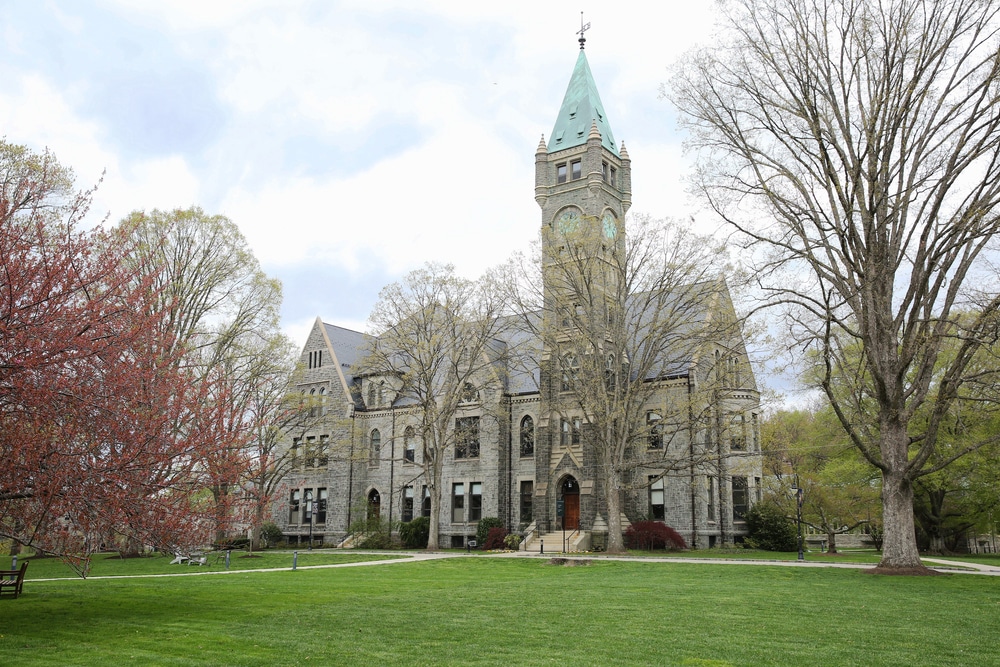
Bryn Mawr College hosts one of the nation’s oldest and most respected post-bacc programs, specifically tailored for career changers. The 12-month program helps students who did not major in the sciences complete all core pre-medical requirements in an intensive but supportive environment.
What makes Bryn Mawr stand out is its exceptional advising system and 15 linkage agreements with leading medical schools—including Weill Cornell, Brown University, and Case Western Reserve University. Students who excel in the program can apply through these linkages for conditional admission, moving directly into medical school without a gap year.
The program fosters a close-knit, collaborative community, where small class sizes and experienced faculty provide individualized mentorship. It’s known for preparing students both academically and personally for the demanding journey ahead in medicine.
Applications for the Bryn Mawr College Post-Bacc premed program open on August 11, 2025. Students who apply by the Early Action deadline on October 1, 2025 will receive their admission decisions by December 19, 2025, while the Regular Decision deadline is set for February 18, 2026.
2. Johns Hopkins University Post-Baccalaureate Premedical Program
Designed for both recent graduates and career changers, Johns Hopkins Post-Baccalaureate Premedical Program is a 9–14 month full-time program that gives you everything you need to prepare for med school—from top-tier science courses to real clinical and research experience at the Johns Hopkins School of Medicine.
With an outstanding 99.7% medical school acceptance rate, this program has helped students from all kinds of backgrounds successfully transition into medicine. You’ll get individualized advising, built-in MCAT prep, and opportunities to participate in Medical Tutorials and research alongside leading physicians and scientists.
The Johns Hopkins post-bacc also fosters a supportive, close-knit community where students meet weekly for advising sessions, networking, and social events. You’ll find classmates who are just as motivated and passionate about medicine as you are.
Applications for Summer 2026 and Fall 2026 are now open. Students can begin in Summer Term I, Summer Term II, or Fall Term, depending on their timeline. With several linkage agreements with top medical schools, you may even be able to move straight from the program into med school.
For students who want a challenging yet supportive environment, the Johns Hopkins post-bacc program offers one of the clearest and most successful paths to a career in medicine.
3. Goucher College Post-Baccalaureate Premedical Program
The Goucher College Post-Baccalaureate Premedical Program is one of the most trusted programs designed for students who haven’t completed their pre-med science courses. This 1-year post-bacc program for medical school offers everything you need to build a strong foundation and confidently apply to medical school.
With over 40 years of experience and an impressive 99% medical school acceptance rate, Goucher has built a national reputation for helping students successfully transition into the medical field. The program features small, tight-knit cohorts of about 34 students, ensuring you get personalized support and mentorship every step of the way.
You’ll take all your classes with your cohort and benefit from built-in MCAT prep, weekly volunteering opportunities, and one-on-one advising. Goucher also offers linkage agreements with eight top medical schools, giving high-performing students a chance to move directly into med school after completion.
Applications are currently open for the June 2026 cohort. For career changers who want a supportive, rigorous, and proven pathway to medicine, Goucher College is one of the best post-bacc programs for medical school you can choose.
Notable academic enhancer programs
If you’ve already completed your pre-med requirements but want to boost your GPA, here are three of the most reputable academic enhancer post-bacc programs:
1. Temple University Advanced Core in Medical Sciences (ACMS)
If you’ve already finished your pre-med classes but want to strengthen your academic record before applying to med school, the Advanced Core in Medical Sciences (ACMS) Program at Temple University’s Lewis Katz School of Medicine could be a perfect fit.
This 10-month, full-time program helps you deepen your understanding of biomedical science while preparing for the rigors of medical school. The best part? Every student who completes the program successfully earns conditional acceptance into Temple’s MD program.

You’ll take graduate-level courses, receive MCAT prep, and gain clinical experience through shadowing and simulation activities—all designed to set you up for med school success.
2. Georgetown University Special Master’s Program (SMP)
The Georgetown University Special Master’s Program (SMP) is one of the most established and respected options in the country.
This one-year M.S. in Physiology & Biophysics allows you to take classes alongside first-year Georgetown medical students, giving you firsthand experience with real medical coursework. With an impressive 85% med school acceptance rate within two years, it’s a proven path for motivated applicants.
Students who maintain a 3.5 GPA and score 510+ on the MCAT are guaranteed a Georgetown med school interview, making it a strong choice for those seeking a direct route into medicine. Plus, you’ll receive lifetime advising and personalized career support from faculty dedicated to helping you achieve your medical goals.
3. UC San Francisco and UC Davis Post-Baccalaureate Programs
The UC San Francisco (UCSF) and UC Davis Post-Baccalaureate Programs are also great options for students looking to strengthen their academic record and prepare for medical school—especially those passionate about serving California’s medically underserved communities. Both programs offer a full-time, 11-month experience that combines rigorous science coursework, intensive MCAT preparation, faculty mentorship, and hands-on application support.
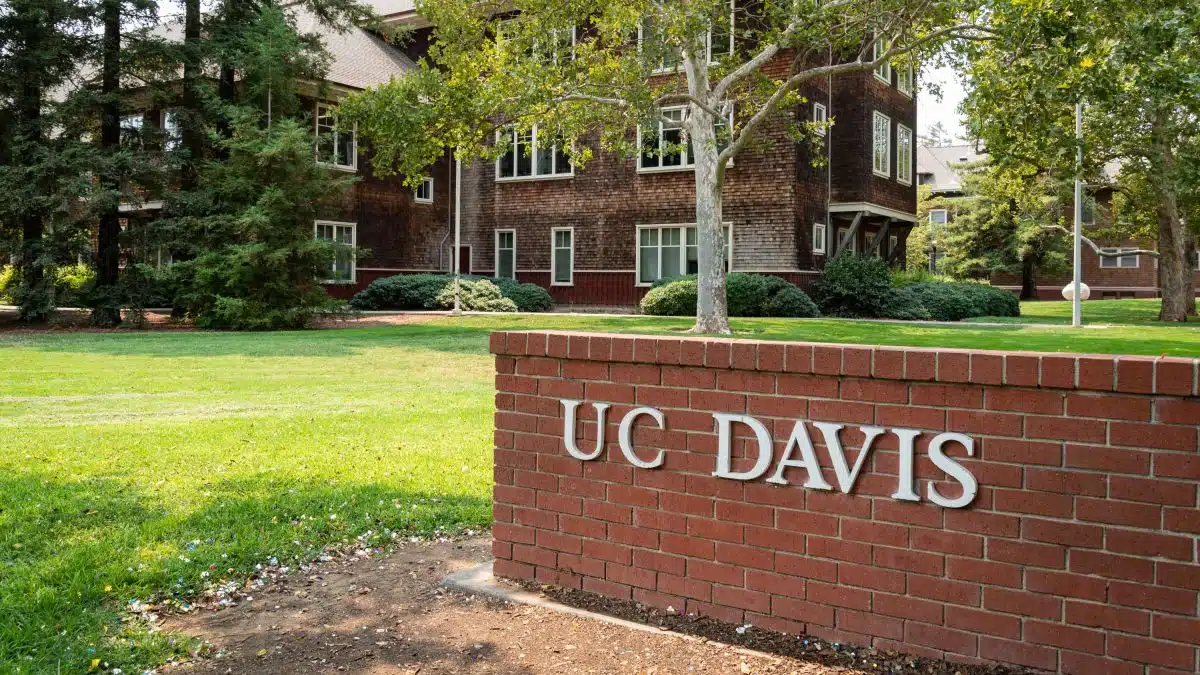
At UC Davis, students complete 36 units of upper-division biology, chemistry, physics, or math, attend professional development seminars, and receive one-on-one advising throughout the medical school application process.
Meanwhile, UCSF’s program includes science classes at UC Berkeley Extension, small-group MCAT review, and workshops focused on healthcare improvement and clinical reasoning.
Applications open December 1, 2025, through the California Postbaccalaureate Consortium, with deadlines on March 2, 2026 (first-time applicants) and May 4, 2026 (reapplicants). Notifications are sent by June 1, 2026.
Strong one-year post-bacc options
If you want an efficient pathway, 1-year post bacc programs for medical school are ideal. Notable examples include:
1. Scripps College Post-Baccalaureate Premedical Program (12 months)
The Scripps College Post-Bacc Premedical Program is a 12-month, full-time program for career changers completing medical school prerequisites. It features small class sizes, personalized faculty advising, MCAT preparation, and a 98% medical school acceptance rate, with linkage options to top medical schools for qualified students.
2. Columbia University Post-Baccalaureate Premedical Program (12 months)
The Columbia University Post-Bacc Premedical Program is one of the nation’s most established and rigorous pathways for aspiring medical students. Designed to fulfill all medical school prerequisites, the program offers multiple formats—traditional, part-time, accelerated, or a 12-month track for highly prepared students.
The 12-month sequence begins in May and continues through summer, fall, and spring, covering biology, chemistry, physics, and organic chemistry with corresponding labs.
3. UC Davis Post-Baccalaureate Health Professions Program (12 months)
The UC Davis Health Professions Post-Bacc Program is a 12-month, full-time academic enhancer program designed to strengthen students’ medical school applications. With a 90% acceptance rate, participants complete 12–16 advanced science courses, year-long MCAT prep, and skill-building seminars in test-taking, medical terminology, and application strategy.
The program also offers personalized advising, a committee letter, and a summer clinical or research experience.
How to Choose the Right Post-Bacc Program
Choosing among the many existing post-bacc programs for medical school can feel overwhelming, but focusing on your personal goals and priorities can help you find the best fit for your journey.
1. Assess your academic needs.
Start by identifying whether you need a career changer program or an academic enhancer program.
Career changers should look for programs that focus on completing prerequisite coursework in biology, chemistry, and physics. Academic enhancers, on the other hand, benefit most from programs that offer advanced science classes, MCAT preparation, and research opportunities.
Before applying, make a list of which medical school prerequisites you’ve already completed—this helps determine which program type suits you best.
2. Consider cost, support, and outcomes
According to Coursera, post-bacc programs typically cost between $35,000 and $48,000 per year, depending on the institution. It’s important to weigh your financial options carefully—check whether your target programs offer scholarships, financial aid, or linkage benefits that could offset costs.
Also, review each program’s advising quality, medical school linkages, and alumni acceptance rates, as these are strong indicators of success.
Ask about advising ratios (students per advisor). Personalized advising can make a huge difference in your application results.
3. Evaluate program fit and flexibility.
Every post-bacc program has its own structure and schedule. When choosing one, ask yourself:
- Do you prefer an in-person or hybrid schedule?
- Can you manage an intensive 1-year post bacc program for medical school?
- Are small class sizes or mentorship opportunities important to you?
Think about whether you’d thrive in a 1-year intensive program or need the flexibility of a part-time or hybrid format. Smaller class sizes often provide closer mentorship, while larger programs may offer broader networking opportunities.
Attend a program’s virtual info session or open house before applying—it’s a great way to get a feel for the culture and expectations.
How to Strengthen Your Medical School Application After a Post-Bacc
Finishing one of the best post bacc programs for medical school is a huge accomplishment—but what you do next can make all the difference in your medical school admissions journey. Here’s how to make your post-bacc experience work for you.
1. Highlight post-bacc performance in your application.
Your post-bacc coursework is living proof of your dedication and growth as a future medical student. When completing your AMCAS or AACOMAS application, emphasize how your grades, study habits, and perseverance during the program have prepared you for the rigors of medical school. Use your personal statement and secondaries to tie your new academic foundation to your career goals in healthcare.
Keep track of specific examples—like research projects or clinical moments—to include in your essays. These real stories make your application more compelling.
2. Build clinical and research experience.
Medical schools look for applicants who go beyond the classroom. Use your post-bacc year to volunteer at hospitals, shadow physicians, or get involved in lab research. These experiences show you understand patient care and the realities of the medical field. Plus, they can help clarify which specialty interests you most.
Choose opportunities that align with your passions—quality and reflection matter more than the number of hours you log.

3. Secure strong letters of recommendation.
Your professors and advisors are some of your best advocates. Build genuine relationships by participating in class discussions, seeking feedback, and showing consistent effort. When it’s time to request recommendation letters, they’ll be able to speak authentically about your work ethic and growth.
Frequently Asked Questions
1. What is a post-bacc program?
A post-bacc program is a special academic pathway for students who already have a bachelor’s degree but want to strengthen their medical school applications. It helps you complete missing science prerequisites, improve your GPA, and gain valuable preparation for the MCAT and medical school admissions.
2. How long does a post-bacc program usually take to complete?
Most post-bacc programs for medical school take about one to two years, depending on whether you study full-time or part-time. Some accelerated options can be completed in as little as 9 to 12 months if you’re ready for an intensive schedule.
3. What are the best post-bacc programs for medical school?
Some of the best post-bacc programs include those at Bryn Mawr College, Johns Hopkins University, and Goucher College—all known for strong advising and linkage agreements. Other great choices include Georgetown University and Temple University, which offer advanced academic training and high medical school acceptance rates.
4. Are there 1-year post-bacc programs for medical school applicants?
Yes! Schools like Scripps College, Columbia University, and UC Davis offer 1-year post-bacc programs designed for students who want a focused, fast-paced route to medical school. These programs are ideal if you’re ready to dedicate yourself full-time.
5. How can a post-bacc program improve my chances of getting into medical school?
A post-bacc program helps you raise your GPA, complete required science courses, and get MCAT support. Plus, it shows admissions committees that you’re serious, capable, and fully prepared for the challenges of medical school.
Takeaways
- Post-bacc programs for medical school give students a second chance to build a stronger academic profile and meet key prerequisites for med school admission.
- Whether you’re switching careers or improving your GPA, post-bacc programs help bridge the gap between college and medical school.
- Many programs, like those at Johns Hopkins, Bryn Mawr, and Goucher College, offer advising, MCAT prep, and linkage agreements that can fast-track your journey to medicine.
- Intensive 1-year post-bacc programs at schools like Scripps, UC Davis, and University of Columbia are great options for students ready to commit full-time.
- Ready to strengthen your medical school application? Work with our Private Consulting Program to find the best post-bacc fit, refine your personal statement, and prepare for interviews.










