西北大学 2029 届提前决定和正常决定通知日期

2025年9月29日

By Eric Eng

Founder/CEO of AdmissionSight
BA, Princeton University

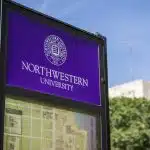
Northwestern University sign with campus map below

For the Class of 2029, staying informed about Northwestern University’s early and regular decision notification dates is crucial. As you mark these dates on your calendar and await this important moment in your academic journey, remember that preparation is your best friend. While these dates may set the course for your college future, how you spend this waiting period will also impact how well-prepared you are for college life. Stay informed, be prepared, and let this book be your guide through the admissions season. Read on to arm yourself with essential information and strategies to effectively plan for the next big stage.

Northwestern University Class of 2029 Early Decision Notification Date

If you are interested in Northwestern University’s Class of 2029 and have already applied for early decision, knowing the notification dates is crucial. Remember these dates, as they are essential in the college admissions process.

Northwestern University’s early decision process reflects your commitment and the university’s commitment to timely responses. The admissions team works diligently to review each application carefully, ensuring that the promise of early notification is fulfilled and, if necessary, giving you sufficient time to consider other options.

When will Northwestern University announce its early decision?

Every year, Northwestern University’s admissions team meticulously screens a large number of applications, considering not only academic performance but also students’ unique talents and interests to enrich the campus community. For students in the Class of 2029 who choose the Early Decision (ED) route, you can expect to receive your acceptance letter in December 2024. This letter is a milestone in your academic journey and may well be a comforting gift during the holidays, confirming your university choice.

When will Northwestern University announce its early decision?

While there’s no set timeframe for these notifications, Northwestern University traditionally releases decisions at different times on designated dates to effectively manage the system and reach numerous applicants simultaneously. While the lack of specific times can be anxiety-inducing, keeping an eye on emails and the admissions portal is crucial. These will be your primary sources of notification. Ensure your contact information is up-to-date and that your account has easy access.

Coordinating early decision notifications at Northwestern University is a significant undertaking. Northwestern understands the importance of this news to you, as it will profoundly impact your educational trajectory. The way Northwestern notifies Early Decision applicants reflects its consideration for your hopes and dreams. Please remain patient and resilient while awaiting your early decision. These qualities will undoubtedly benefit you throughout your college career and all your future endeavors.

A woman watches the computer monitor scroll.

Northwestern University’s routine decision notification date for the Class of 2029

For prospective students hoping to join the Northwestern University family, the regular decision timeline is an essential part of the admissions process, marking the eagerly awaited notification dates for the Class of 2029.

When will Northwestern University make its routine decision?

If you apply through the regular application process, you should mark March 2025 on your calendar . This timeline is not isolated; it is a strategic component of a well-planned admissions cycle, mirroring the timelines of other leading institutions. Northwestern University’s plan to release admissions decisions before the May 1st “National Candidates’ Response” deadline demonstrates its commitment to facilitating applicants. This grace period allows you to compare financial aid, revisit campuses, and discuss various options with family and advisors before making a final decision.

As March 2025 approaches, people naturally reflect on their high school achievements and the exciting prospects ahead. Now is also the time to ensure all financial aid documents are complete and to apply for scholarships. Being well-prepared for the next significant step in your educational journey is crucial.

When will the “Northwest Regular Decision” be released?

Northwestern University typically releases its regular admission decisions in the late afternoon or early evening , usually coinciding with the end of the school term. This allows you to receive and process your admission status from the comfort of your home.

The university does not specify exact notification times to prevent server overload and to ensure a smooth experience when you log in to check your status. This requires patience, a quality that will greatly benefit you once you begin your university life. Please check your emails and the Northwestern University application portal around the expected date.

To alleviate the stress of the waiting period, continue to participate in your usual activities and maintain a positive mindset. Use this time to celebrate your efforts. Whether you are joining Northwestern University or pursuing other opportunities, the regular decision notification marks a new beginning—the start of your next adventure in higher education.

Before March, you were at the center of a significant event. For you and many others, the release of the Northwest decision was a milestone, marking a step towards a future filled with learning and personal growth.

How does Northwestern University notify students of their admission?

After learning about the notification dates for Northwestern University’s Class of 2029 early and regular decisions , it is also essential to understand the university’s commitment to a clear and organized notification schedule.

The process of issuing admission notices is just as anticipated as the initial application process. While applicants are filled with anxiety, Northwestern University releases admission information in an orderly manner, striving to maintain transparency and timeliness during this crucial stage.

You will typically receive an email stating whether a decision has been made regarding your admission, rather than the admission itself. This email will direct you to the admissions portal, a secure online platform where universities publish application statuses and admission decisions. After logging in, you will find a confirmation email regarding your admission status. Regularly checking emails and the admissions portal is crucial, as they are Northwestern University’s primary communication channels for admission decisions.

Receiving good news digitally is usually just the beginning. Northwestern University may then mail you a formal letter of admission, which typically includes a congratulatory letter, information on the next steps for enrollment, and promotional materials introducing life at Northwestern. The physical nature of the letter and materials adds to the exciting moment.

Northwestern University’s admissions materials typically include a detailed orientation guide. It outlines financial aid application deadlines, housing options, and invitations to exclusive activities for admitted students. These materials are designed to help you integrate into the university community from the very beginning.

Understanding the notification process can reduce your anxiety and give you clear expectations. Each type of decision (early decision, early action, or regular decision) has subtle differences in the timing and manner of notification. For example, candidates who make an early decision are usually notified first, and may receive additional instructions because they must take an entrance exam once admitted.

Northwestern University maintains maximum privacy and sensitivity throughout the admissions process. All information relating to admissions decisions is confidential. Therefore, the university will not disclose your admission results by phone or through informal channels.

If you encounter technical difficulties or delays in receiving notifications, we recommend that you contact the admissions office directly. The admissions team is ready to assist you and ensure that every applicant can make an informed decision in a timely manner.

Northwestern University’s organized notification process respects your expectations and emotional investment, providing you with the necessary information to embark on the next stage of your academic journey. By familiarizing yourself with Northwestern’s procedures and communication methods, you can navigate the post-application phase with greater confidence and clarity.

Two students are sitting in the classroom using laptops to study.

The role of early decision-making in Northwestern University admissions

Applying to Northwestern University through Early Decision (ED) is a strategic and well-thought-out choice. Students who meet or exceed Northwestern’s academic and extracurricular standards will find this option particularly advantageous. When you choose Early Decision (ED), you are demonstrating to Northwestern that the university is among the top choices for your application, which is a significant factor in the admissions process.

Understanding the constraints of “early decision-making”

By committing to Early Decision (ED), you agree to an exclusive contract with Northwestern University . If they admit you, you are obligated to register and withdraw applications from other institutions. This action reaffirms to Northwestern University your belief that Northwestern is the ideal environment for your academic and personal development.

Comparison of Early Decision with Other Early Application Methods

Northwestern University does not offer Single Decision Early Admission (SCEA) or Restricted Early Admission (REA); however, it is beneficial to understand these options. SCEA and REA restrict you to submitting only one early admission application but allow you to apply to other schools as per the regular decision. As a Northwestern Early Decision applicant, if you are admitted to Northwestern, it demonstrates your strong readiness to join its community.

Predetermine the applicant’s competitive advantage

Applying Early Decision (ED) can increase your chances because ED applicants tend to have a higher acceptance rate than regular applicants. ED applicants like yourself are typically well-prepared and confident in their choice of Northwestern University. This allows the school to build its freshman class with confidence.

Financial considerations for advance decision-making

Financial factors are crucial when considering Early Decision (ED). Accepting Northwestern University’s ED offer means you’ll forgo the opportunity to compare financial aid programs with other universities. Therefore, it’s essential to understand Northwestern’s financial aid policy to ensure affordability even in the event of potential changes to aid.

Prepare an excellent early decision application form

Your Early Decision (ED) application should showcase your academic strengths and extracurricular contributions. Write an essay that resonates with Northwestern University’s culture and values, demonstrating your genuine interest in and fit for Northwestern.

Northwestern University’s “early decision” is a decisive commitment that can be a potential advantage in the admissions process. It requires a comprehensive evaluation of your readiness to take the oath of allegiance to Northwestern, taking into account academic fit and financial factors.

At home, a female student is typing on a laptop.

Preparing the Northwestern University acceptance letter

The wait for Northwestern University’s decision notification is both exciting and anxious. If you’re in this crucial waiting phase, there are proactive steps you can take to reduce stress and prepare for any outcome. Thoughtful preparation can not only ease the emotional turmoil of decision season but also give you a strategic advantage. Staying informed and planning your next steps as you anticipate the regular decision notification date for the Class of 2029 helps maintain a sense of control during this suspenseful period.

Understanding the agreement following Northwestern University’s ruling

As a student, familiarize yourself with Northwestern University’s post-decision agreement. Understand the admission process for admitted students, the reapplication process for those not admitted, and the options for deferred or waitlisted applicants. This knowledge can empower you to proactively prepare instead of passively waiting.

Guarantee your place for admitted students

Receiving your acceptance letter doesn’t end your academic journey. Northwestern University will give you a deadline to confirm your enrollment. Prepare your deposit, final transcripts, and other documents in advance to avoid mistakes due to rushing. Fully understand your financial aid options and their impact on your education. If necessary, be prepared to negotiate better options or seek additional scholarships.

For applicants who are on the waiting list or whose applications have been deferred: Stay informed.

If you find yourself on the waitlist or deferred, don’t lose hope. Draft a follow-up letter informing the admissions committee of any new achievements you’ve made since your initial application. Maintain excellent academic performance and continue participating in extracurricular activities, as Northwestern University may request updates before making a final decision. During this time, you can reaffirm your commitment and demonstrate why you are an outstanding candidate.

Those who were not admitted: Planning their next steps

If you don’t get the decision you hoped for, it’s important to take constructive action. Feeling frustrated is natural, but focusing on other plans is a positive way to move forward. Consider other universities that have already accepted you or whose application deadlines are approaching. Consider taking a year off to gain experience and strengthen your skills. During this time, ask an admissions advisor for feedback to gain insights that can improve your future applications, whether it’s transfer opportunities or another application cycle.

Maintain mental health and a broad perspective

During this time, don’t neglect the importance of mental health. Engage in stress-relief activities, seek support from friends and family, and maintain a balanced perspective on college admissions . Remember, college admission is just one part of your educational journey, and your educational journey is full of various paths to success. Be prepared for every outcome, and you can confidently and skillfully take the next step.

The two ladies were discussing

Analyzing Northwestern University’s past admission trends

By analyzing Northwestern University’s past admissions trends, you’ll uncover the details of its selection process and understand the competitive landscape you face. Understanding acceptance rates, application volumes, and decision times can help you set realistic expectations and refine your application strategy.

The Evolution of Acceptance Rates

Like other top U.S. universities, Northwestern University’s acceptance rates have fluctuated, reflecting its increasing selectivity. These acceptance rates are a reliable indicator of competitiveness, with recent cycles showing acceptance rates dropping to single digits. Understanding this data allows you to gauge Northwestern’s selectivity and recognize the need for a robust and diverse application. The steadily increasing acceptance rate can also reflect shifts in the school’s strategic priorities, such as expanding certain academic programs or promoting campus diversity.

Application volume insights

The surge in applications Northwestern University receives each year underscores its popularity and fierce competition for limited spots. This increase in applications not only affects acceptance rates but also the academic and extracurricular standards students must meet or exceed to stand out. Further analysis of this data can reveal the impact of economic trends or changes in admissions policies (such as admissions without entrance exams) on application numbers.

Determine the date dynamic

Northwestern University’s decision dates give you insight into the school’s admissions cycle. An earlier decision date may indicate a faster review process or be a courtesy of giving you more time to make a decision. A later date may suggest more thorough consideration or a larger pool of applicants. This knowledge is invaluable for planning your college application journey, balancing schoolwork, and preparing for other post-secondary educational pathways.

Impact of early decision on normal admissions

Northwestern University’s early decision program secures a significant portion of its incoming class. By analyzing admissions and deferral statistics within this binding commitment, you can understand how many spots remain for regular decision applicants. Knowing the percentage of students admitted through early decision allows you to lower your expectations and enrich your college application list if necessary.

Interpreting statistics on deferred enrollment and waiting lists

If you find yourself deferred or on the waitlist, Northwestern University’s historical data on deferred and waitlist admissions can offer some insights. You can gauge your chances of being admitted from the waitlist, or your opportunities as a deferred applicant in the regular decision round. It’s worth noting that year-over-year changes in this data may foreshadow shifts in Northwestern’s admissions strategy or the introduction of new academic programs.

By carefully studying these past trends, you and your family can gain a deep understanding of Northwestern University’s admissions process. This analysis is crucial for making informed decisions, including applying to schools, writing application materials, and when to make a decision, thus simplifying the complex college admissions process.

A handwritten waiting list on a white background.

Beyond the Announcement: Preparations for Northwestern University’s First Year

Receiving your Northwestern University acceptance letter marks the beginning of an exciting educational adventure. However, the transition to university life often brings a variety of challenges and new experiences. Northwestern understands this and has carefully designed a robust framework to help you adapt to this significant life change. With a focus on successful adaptation, Northwestern offers a range of programs and resources to ensure first-year students are prepared for the challenges and rewards of university life.

Targeted and integrated plans

Even before classes begin, Northwestern University’s pre-adjustment courses immerse you in the university culture and resources. These courses are a microcosm of university life, providing early opportunities to build crucial connections and familiarize yourself with campus. You’ll participate in academic seminars and social events, exploring the wide range of services and support offered by Northwestern. If you need guidance, the university’s mentorship program connects you with upperclassmen who can offer advice, share experiences, and help you adjust to university life academically and socially. These initiatives not only streamline the transition but also instill a sense of belonging from the very beginning.

Academic planning and consulting

At Northwestern University, you’ll find the university’s unwavering commitment to academic excellence, supported by a personalized mentoring system. From the outset, you’ll work with academic advisors to understand the curriculum and make informed decisions about your major and courses. These advisors are experts in Northwestern’s academic programs and play a crucial role in developing a comprehensive, tailored educational plan for you. Over time, these relationships evolve to provide customized support to adapt to your changing needs and goals. Experts in areas such as career planning, study abroad, and research opportunities further strengthen this network, providing you with the tools to make strategic academic and career decisions.

Campus life and extracurricular activities

Northwestern University offers a wide range of extracurricular activities beyond academics. We encourage you to join various student organizations covering cultural, artistic, advocacy, and academic interests. Participation in these groups can broaden your education and provide valuable experience in leadership, collaboration, and community engagement. The university regularly hosts club fairs and social events, introducing you to these groups based on your interests and hobbies.

You can also participate in campus activities throughout the year, fostering community spirit and pride, providing a platform to showcase your talents, promote diversity, and contribute to a vibrant and inclusive atmosphere.

While you await your acceptance letter, rest assured that Northwestern University has established a comprehensive system to guide you on your college journey. Northwestern University values ​​a welcoming and supportive environment, reflecting its commitment to student success and well-being, and laying a solid foundation for a memorable first year and a bright future.

A bearded man stared intently at his laptop screen.

in conclusion

In the complex college admissions process, it’s essential to understand key deadlines and their significance. Northwestern University’s Early Decision and Regular Decision notification dates for the Class of 2029 serve as important benchmarks in the college admissions process. By understanding these dates and preparing accordingly, applicants can approach them with confidence and clarity, and be ready to take the next step towards their academic future.

发表评论

您的邮箱地址不会被公开。 必填项已用 * 标注

Sign up now to receive insights on
how to navigate the college admissions process.

[bbp_create_topic_form]