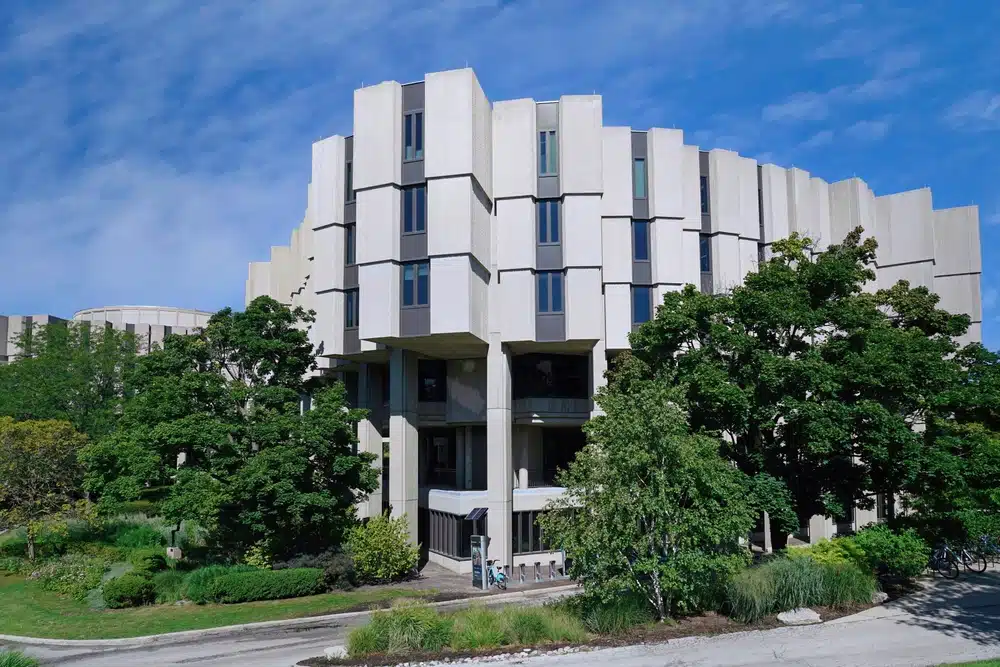
Starting your Northwestern University application is exciting, but it also means making some important decisions. One of the first is choosing between Early Decision and Regular Decision. Knowing how each option works and staying on top of the required steps will help you stay organized and confident throughout the process.
This guide walks you through everything you need to know about the Northwestern application deadline and the entire admissions timeline. We’ll cover each step in detail, including transfer deadlines, financial aid requirements, and acceptance rate insights. By the end, you’ll have a clear understanding of how to submit a complete, competitive application.
- When Is Northwestern Application Due?
- Northwestern Early Decision Deadline
- Northwestern Regular Decision Deadline
- How to Apply to Northwestern
- Northwestern Transfer Deadline
- Northwestern Financial Aid Deadline
- Frequently Asked Questions
- Takeaways
When Is Northwestern Application Due?
Northwestern University offers two main application routes for first-year students. Early Decision is a binding option for students who know Northwestern is their top choice. Meanwhile, Regular Decision is non-binding and gives applicants more time to finalize their materials and compare offers.
Before we go deeper into each route, here are the key Northwestern application deadlines you should keep in mind:
| Application Route | Deadline |
| Early Decision (ED) | November 1 |
| Regular Decision (RD) | January 2 |
Transfer and financial aid forms follow separate timelines, which we will cover in detail later in this guide.
Northwestern Early Decision Deadline
If Northwestern is your top-choice school and you are ready to make a firm commitment, Early Decision is the route to consider. This option is binding, which means that if you are admitted, you must enroll at Northwestern and withdraw any applications you’ve submitted to other colleges.
Here is the timeline for Northwestern’s Early Decision process for the 2025–2026 admissions cycle:
| Date | Event |
| August 1 | Application Start |
| November 1 | Early Decision Application Deadline |
| Mid-December | Early Decision Notification |
| February 1 | Reply Deadline |
What is Northwestern Early Decision?
Early Decision at Northwestern is a binding agreement. If you are admitted through this round, you are expected to attend and cannot continue with applications to other universities. This option is best for students who are certain that Northwestern is their first choice and who feel confident about their application by the November 1 deadline.
While you may submit non-binding applications to other schools before hearing back, once you are admitted to Northwestern, you must officially commit and withdraw all other applications. Applying ED can be a strong way to demonstrate your interest, but it comes with a serious obligation that requires thoughtful consideration.
Northwestern Early Decision acceptance rate
For the Class of 2029, Northwestern saw one of its largest Early Decision applicant pools in recent years, with just over 6,000 students applying, resulting in a 15.5% increase from the previous year. The university admitted more than half of its incoming class through this round, keeping the Early Decision acceptance rate steady at about 20%.
Early Decision students are expected to make up roughly 55% of the incoming class, which was projected to be around 2,100 students. These numbers highlight how central the ED round is to Northwestern’s admissions strategy, as most spots are filled before Regular Decision applicants are reviewed.
Looking back at the Class of 2028, Northwestern received 5,154 Early Decision applications and admitted 1,186 students, resulting in an ED acceptance rate of roughly 23%. This comparison shows both the year-over-year growth in early applications and the consistently high proportion of the class admitted through ED.
If Northwestern is your top choice and you’re ready to commit by November 1, applying through Early Decision can provide a strategic advantage while demonstrating clear interest in the university.
Northwestern Regular Decision Deadline
If you want extra time to finalize your application or prefer the flexibility to compare offers from multiple schools before committing, Regular Decision is the best choice. This option is non-binding and open to all applicants, making it the most common application route for Northwestern.
Here’s a breakdown of the timeline for the Northwestern application deadline for Regular Decision:
| Date | Event |
| August 1 | Application Start |
| January 2 | Regular Decision Deadline |
| Late March | Regular Decision Notification |
| May 1 | Reply Deadline |
What is Northwestern Regular Decision?
Regular Decision at Northwestern gives you the freedom to apply to multiple schools without making a binding commitment. This option is ideal for students who need more time to refine their essays, improve their academic record, or take standardized tests later in the year.
Most applicants will submit their materials through this route. The Northwestern Regular Decision deadline is January 2, 2026, and applying by this date ensures your application is considered in the main review process.
After you apply, Northwestern’s admissions team evaluates your application holistically. They will look at your academic achievements, extracurricular activities, essays, recommendations, and the context of your background—including your school environment and opportunities available to you.
Decisions are released in late March 2026, and applicants will receive one of three outcomes: admitted, denied, or waitlisted.
Admitted students have until May 1, 2026 to confirm their enrollment by submitting their deposit. If you are denied, you cannot reapply in the same admissions cycle. Students placed on the waitlist will need to monitor updates, which are usually released after May 1 if spots become available in the class.
Northwestern Regular Decision acceptance rate
Northwestern does not release detailed Regular Decision admissions numbers. While we know the total number of first-year applications, the university has not provided a specific breakdown of how many students were admitted through RD alone.
For the Class of 2029, Northwestern reviewed over 53,000 total applications for a class expected to be about 2,100 students. Of those, roughly 55% of the incoming class was admitted through Early Decision, which equates to around 1,155 students admitted early. This leaves about 945 seats to be filled through Regular Decision.
Based on these numbers, we can estimate that Northwestern admitted just under 1,000 students from the Regular Decision pool. With a pool of approximately 47,000 RD applications, the acceptance rate for Regular Decision comes out to around 2%.
This estimate illustrates just how competitive the RD round is at Northwestern. Because a majority of the class is already filled through ED, the RD pool is extremely selective. If you plan to apply Regular Decision, focus on presenting the strongest application possible. Every part of your application should work together to clearly show why you are a strong fit for Northwestern.
How to Apply to Northwestern
Now that you know the Northwestern application deadline dates to keep in mind, the next step is understanding what materials you need to prepare. Taking time to review these requirements early will help you plan ahead, reduce stress, and make sure that every part of your application is ready well before the deadline.
Northwestern admission requirements
Here’s what you need to submit when applying to Northwestern:
- Application. Northwestern accepts the Common Application, the Coalition Application (Scoir), or the QuestBridge Application for Finalists. You only need to submit through one platform.
- Northwestern-specific writing prompts. In addition to the personal essay required by your application platform, Northwestern includes several short-answer questions. These are designed to highlight your academic interests, goals, and why Northwestern is the right fit for you.
- Official high school transcript. Your transcript should reflect all coursework from grades 9 through 12. A Mid-Year Report must also be submitted by your school once first semester senior year grades are available.
- School report and counselor recommendation. Your counselor will send a school report that includes information about your school and a recommendation letter.
- One teacher recommendation. Northwestern requires one teacher recommendation from a core academic subject such as English, math, science, social studies, or a foreign language.
- Standardized testing. Northwestern is test-optional for the 2025–2026 admissions cycle. Students may choose to submit SAT or ACT scores if they believe their results accurately reflect their academic abilities. International applicants may need to submit English proficiency test scores, such as TOEFL, IELTS, or Duolingo English Test, if English was not their primary language of instruction.
- Mid-Year Report. This is submitted by your school once your first semester senior year grades are finalized.
- Final Report. If admitted and enrolling, you must send your final high school transcript after graduation.
- Application fee. Northwestern’s application fee is $75. Fee waivers are available for students who qualify.
- Optional supplements. Students with exceptional work in areas such as music, art, or research may submit an optional supplement. These should only be included if they add meaningful depth to your application.
Northwestern uses a holistic review process, meaning that strong grades and test scores (if submitted) are just one part of the evaluation. The admissions team also carefully considers essays, recommendations, extracurricular involvement, and the context of your personal background and opportunities available to you.
Northwestern application process
Applying to this university requires careful planning and attention to the Northwestern application deadlines. Below is a clear, step-by-step guide to help you stay organized and make sure nothing gets overlooked along the way.
1. Choose your application platform.
Northwestern accepts the Common Application, the Coalition Application (Scoir), or the QuestBridge Application for Finalists. You only need to submit one application, so choose the platform you are most comfortable with. Many students prefer the Common App because it is widely used, but any of these platforms will work equally well.
2. Write your essays.
In addition to the personal essay required by your application platform, Northwestern has several short-answer questions that help the admissions team learn more about your academic interests, personal goals, and why you want to attend Northwestern.
Quick tips for Northwestern essays:
- Start early so you have time to revise and refine your responses.
- Be authentic and let your personality come through in your writing.
- Avoid generic topics; focus on specific experiences and ideas that are unique to you.
- Ask for feedback, but make sure your final draft reflects your own voice.
If you’d like professional support, our College Application Essay Editing service can help you create essays that leave a lasting impression. We work one-on-one with students to refine every aspect, from structure and flow to tone and content, so you can feel fully prepared and confident when submitting your application to Northwestern.
3. Request recommendations.
Northwestern requires one teacher recommendation and a counselor recommendation. Choose a teacher who knows you well and can describe your contributions beyond just your academic performance.
Ask for recommendations at least a month before your chosen Northwestern application deadline. Provide your recommenders with a résumé or list of your activities to help them write detailed, personalized letters.
4. Submit your application on time.
The Northwestern application deadline is November 1, 2025 for Early Decision and January 2, 2026 for Regular Decision. Plan to submit your materials a few days early in case of technical issues. Double-check that all parts of your application—essays, transcripts, recommendations, and test scores (if you choose to submit them)—are included before you hit submit.
5. Track your application portal.
After submitting your application, Northwestern will send instructions for accessing your applicant portal. This portal allows you to confirm that all materials have been received and to upload any missing documents. Make it a habit to check regularly so you can quickly resolve any issues.
6. Wait for your decision.
Northwestern releases Early Decision results in mid-December and Regular Decision results in late March.
Possible outcomes include:
- Admit. You are accepted to Northwestern.
- Defer. If you applied ED, your application will be reconsidered during the RD round.
- Deny. You are not admitted and cannot reapply during this cycle.
- Waitlist (RD only). You may receive a final decision after May 1 if spots open up.
While waiting, focus on keeping your grades strong and completing applications to other schools if you applied Regular Decision. If you are deferred, you can send updates in the spring to share new achievements or progress made since your initial submission.
Northwestern Transfer Deadline
The Northwestern application deadline for transfer students depends on whether you are applying for Transfer Early Decision or Transfer Regular Decision. Northwestern only accepts transfer students for the fall quarter, so you cannot apply to begin in the winter or spring.
Here is a timeline of key dates for transfer applicants:
| Date | Event |
| Early Fall | Application Start |
| March 2 | Transfer ED Deadline |
| April 1 | Transfer RD Deadline |
| Early April | ED Transfer Application Notification |
| Mid-May | RD Transfer Application Notification |
| June | Reply Date |
Transferring to Northwestern is highly competitive. For Fall 2024, Northwestern received 4,045 transfer applications. Out of these, 484 students were admitted, which equals a transfer acceptance rate of about 12%. Of those admitted, 277 students enrolled at Northwestern.
Because many spots are already taken by continuing students and the incoming first-year class, there are only a limited number of seats left for transfer applicants each year. With thousands of students competing for fewer than 300 available spaces, successful applicants must show exceptional academic performance, strong extracurricular involvement, and a clear, compelling reason for wanting to join Northwestern.
To apply as a transfer student to Northwestern, you must:
- Complete at least one full year of college-level coursework by the time you enroll at Northwestern.
- Have no more than two full years of study completed before your anticipated start date.
- Be enrolled in a full-time, degree-granting program. Courses from part-time, online, continuing education, or vocational programs will not count toward transfer eligibility.
- Not have already earned a bachelor’s degree or equivalent.
Northwestern requires several important documents and forms for transfer applications:
- Official transcripts from every college or university you’ve attended.
- High school transcript showing graduation or equivalent.
- One recommendation from a professor who has taught you in college-level courses.
- College Report, completed by a dean, registrar, or school official, verifying your academic and disciplinary standing.
- Standardized test scores are optional. Submit SAT or ACT results only if you feel they strengthen your application.
- Application fee of $75, or request a fee waiver if eligible.
- Optional materials, such as an arts portfolio or research supplement, may be submitted if they highlight exceptional talent and are directly relevant to your application.
Because the transfer process is highly selective, it’s important to make sure every part of your application tells a complete and cohesive story. Show why Northwestern is the right place for you and how its programs fit into your long-term plans. Carefully track the Northwestern application deadline for transfers and confirm that all materials are submitted on time. In such a competitive process, even small details can make a big difference.
Northwestern Financial Aid Deadline
Northwestern’s financial aid is entirely need-based, meaning the amount of aid you receive depends on your family’s financial situation rather than grades, test scores, or extracurricular achievements. The university does not offer merit-based scholarships.
The good news is that Northwestern meets 100% of demonstrated financial need for all admitted students, including both U.S. and international applicants. Staying on top of financial aid deadlines is crucial because while missing one does not affect your admission decision, it can delay your aid package and potentially reduce the amount of aid you receive in time to make enrollment decisions.
Here’s a breakdown of the Northwestern application deadlines for financial aid:
| Application Round | CSS Profile, IDOC | FAFSA | Financial Aid Decision |
| Early Decision | December 1 | January 1 | Mid-December |
| Regular Decision | February 1 | February 1 | Late March |
| Transfer Application | March 1 | March 1 | Typically by June |
Both U.S. and international students are eligible to apply for aid at Northwestern. If you are applying through Early Decision, submit your CSS Profile by December 1, 2025 and FAFSA by January 1, 2026 to receive a timely estimate of your aid package.
Northwestern’s aid program is loan-free, meaning financial aid awards do not include loans. Most families with an annual income under $100,000 are not expected to pay tuition or fees. Even if you are unsure whether you qualify for aid, it’s strongly recommended that you complete the necessary forms. There is no penalty for applying, and many students are surprised by how much support they qualify for once their forms are reviewed.
Frequently Asked Questions
1. What if I miss the Northwestern application deadline?
Northwestern does not accept late applications. If you miss the Early Decision or Regular Decision deadline, you will need to wait for the next admissions cycle to apply. This is why it’s so important to track the Northwestern application deadline closely and plan ahead to make sure all materials are submitted on time.
2. Can I apply to other schools if I choose Northwestern Early Decision?
Yes, you may apply to other schools, but there are strict rules. Northwestern’s Early Decision program is binding, meaning that if you are admitted through ED, you must enroll at Northwestern and withdraw all other applications. While you’re waiting for your ED results, you can still apply to other schools using non-binding options like Regular Decision. Once you are admitted to Northwestern, you are required to commit and officially accept your spot.
3. Does applying early improve my chances of getting in?
Yes. Northwestern’s Early Decision acceptance rate has consistently been higher than its Regular Decision rate. For the Class of 2029, the ED acceptance rate was about 20%, while the estimated RD acceptance rate was around 2%. Applying ED can give you an advantage if you’re fully prepared and Northwestern is your clear first choice by the November 1 deadline.
4. Do I need to submit SAT or ACT scores to apply to Northwestern?
No. Northwestern is test-optional for the 2025–2026 admissions cycle, so you may choose whether to submit SAT or ACT scores. If you believe your scores accurately reflect your academic abilities, you are welcome to include them, but they are not required. International applicants may need to submit English proficiency exam scores, such as TOEFL, IELTS, or Duolingo English Test, if English was not their primary language of instruction.
5. Is financial aid available for international students?
Yes. Northwestern offers need-based financial aid to both U.S. and international students. The university meets 100% of demonstrated financial need without including loans in aid packages. While admissions for international students are need-aware—meaning your financial situation is considered in the decision process—Northwestern remains committed to making its education accessible to admitted students from all backgrounds.
Takeaways
Staying on top of the Northwestern application deadline dates is key to submitting a strong and timely application. Missing these deadlines can affect both your admission chances and when you receive important information about financial aid.
- The Early Decision deadline is November 1.
- The Regular Decision deadline is January 2.
- The transfer application deadline is March 2 for Transfer ED and April 1 for Transfer RD.
- Submit financial aid forms by December 1 (CSS Profile for ED) and January 1 (FAFSA for ED). For Regular Decision, both are due February 1.
- If you want expert help staying organized, a college admissions consultant can guide you through each step so you can strengthen your application and meet every Northwestern application deadline with confidence.
Eric Eng
About the author
Eric Eng, the Founder and CEO of AdmissionSight, graduated with a BA from Princeton University and has one of the highest track records in the industry of placing students into Ivy League schools and top 10 universities. He has been featured on the US News & World Report for his insights on college admissions.