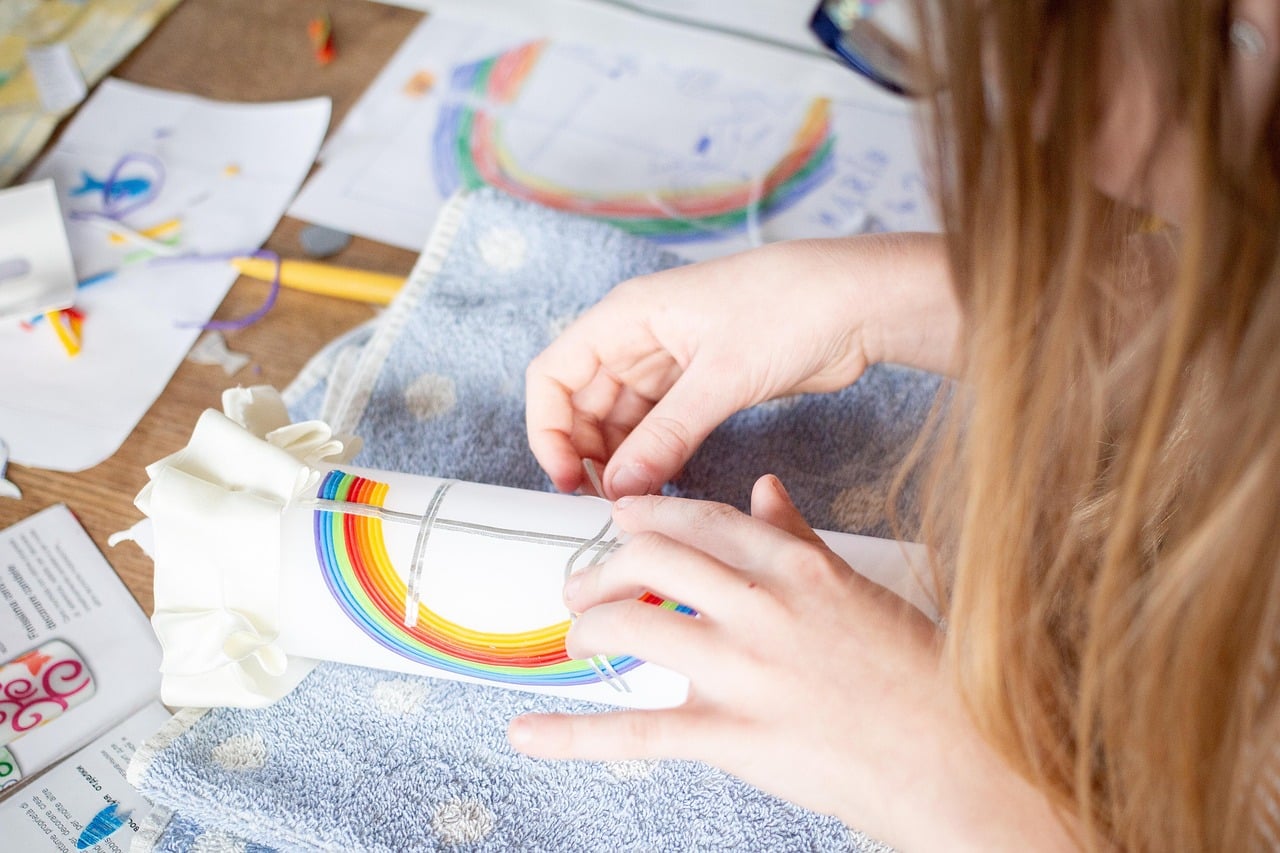
As a high school senior, you have a chance to create something that is entirely yours. Senior projects are an opportunity to step out of the regular classroom routine and do what you are deeply interested in and passionate about. Something that truly matters to you!
You might feel like helping your community by starting an NGO, designing an application, or even writing a book. Your project lets you explore the world outside the classroom and leave your mark.
If you’re excited to pursue your passion project but unsure where to begin, we’ve got you covered with 11 inspiring senior project ideas you can start right away. In this article, you will learn how to pick the right idea, the variety of projects you can choose from, and how to develop something meaningful that shows your strengths and interests.
- Top 15 Senior Project Ideas
- Smart Tips to Help You Choose Your Senior Project Ideas
- Benefits of Completing a Senior Project
- Frequently Asked Questions
- Key Takeaways
Top 15 Senior Project Ideas
Your senior project ideas are a personal initiative where you research a topic or a cause, not because you’re told to, but because you genuinely want to.

They are bigger, long-term projects based on experiential learning, which might take a few weeks or even months to finish. These push you to learn by doing something in the real world. So, let’s look at a few examples to understand how you can go about them:
1. Neighbourhood storybook or oral history project
Start by talking to your grandparents or an older neighbor, or even local heroes like veterans. Record their personal stories and anecdotes on your phone and jot them down in Google Docs.
Pick their best pictures and quotes and create a simple digital book or magazine in Canva. Share the final book with your local library and school, or even on social media, and you’ve created a meaningful keepsake for your neighborhood! Keep the questions simple, like “What was life like here 30 years ago?”
2. Organizing a community charity drive
If you enjoy bringing people together, try hosting a donation drive. It can be anything from books to food or even toys for little children. Begin by choosing a cause and then determining what it needs. You can also ask a local charity what they need most. Then, put up a notice at your school and design posters with the help of Canva. You can also use Google Forms for signing up volunteers.
3. Literacy or homework mentorship program
If guidance and teaching are your calling, you can start a tutoring program or a homework club for younger students or ESL learners. Reach out to teachers and find students who might need help.
Next, create a simple schedule in Google Calendar and invite 2–3 friends who are eager to volunteer. Design flyers on Canva, print them out, and share them with your classmates or post them on the school bulletin board. Remember to keep a list of who attends using Google Sheets.
4. School study resource website
If you want to make life easier for your classmates, create a website where everybody can share notes and study guides. Use beginner-friendly tools that are super easy, like Wix.
You can then create separate pages for each subject—like math, science, and English—and organize them into clear sections. Upload all your notes in PDF format, and once everything is ready, share the download link through WhatsApp groups, your school email, or even announce it during the assembly.
5. Student scheduling or reminder app
If you are a bit forgetful regarding homework or school events, you can try building a simple school app without any prior coding skills! Simply sign up for the MIT App Inventor to drag and drop features like the weekly test calendar, event notifications, or simple homework due reminders. Test it with 2-3 friends and ask what needs improvement. You can then fix any bugs and finally share the link with your class.
6. Student digital portfolios
Let your classmates show off their skills online! Create a clean template on Wix or Notion where all students can add their creative project ideas or any submissions like essays, art, or awards.
You can then make a quick guide or a short video that tells how to edit the template. Next, add a demo portfolio to show them how it looks and conduct a 10-minute after-school workshop to help your classmates create their digital portfolios in real time.
7. Mental health awareness podcast
Pick 4-5 mental health-related topics that you want to spread awareness about. These can be around stress, exams, coping strategies, setting healthy boundaries, or friendships. Create a list of episodes.

Next, invite your teachers, school counselor, or friends to join for candid discussions around these sensitive topics. You can go ahead and record the podcast on your mobile device. Use Canva to create a simple thumbnail cover for your social media post, which you can use as a reel or share the entire episode on YouTube during Mental Health Week.
8. Start an educational YouTube channel
If you are interested in educating your audience, YouTube is an excellent platform. Record simple and short videos of yourself explaining a few math tricks, conducting easy science experiments, or giving out effective exam study tips.
Speak clearly and try to keep the video under 5 minutes. Ensure there are no mistakes or errors. Right before you go live on YouTube, create a catchy thumbnail with an attractive tagline using Canva.
9. Host a virtual student storytelling night
You can get your classmates together by hosting an online “Student Stories.” Send an invite to all your classmates and ask them to share personal stories or poems about overcoming challenges, celebrating small wins, or supporting friends in their difficult times at school or home.
Afterwards, you can record these storytelling sessions on your mobile phone, or you can use Zoom as well. Then simply go to Canva and write an inviting event poster or a highlight reel thumbnail. Share small clips of the most inspiring stories and upload the entire night as a compilation video on YouTube.
10. Build a device to monitor health
Get your hands on the Arduino starter kit, and follow YouTube tutorials to make a basic robot that follows lines or beeps at health concerns like palpitations, irregular heartbeat, high body temperature or unusual twitching. Document your process in a daily log. You can write a blog as well, based on the findings of weekly observations. To understand the most important metrics and how they impact your health, you can also reach out to healthcare professionals.
In fact, you might be surprised to learn that a high schooler, Utkarsh Tandon, created a wearable device to monitor and diagnose Parkinson’s disease.
11. DIY solar charger
To build a DIY solar charger, start by purchasing a basic solar charger kit with a 5V panel, USB converter, and battery (it’s optional). Then, put together the panel’s positive and negative wires to the charging circuit (make sure you follow the safety tutorials carefully).
Take a multimeter to test the voltage output. Secure everything in a small case, like a can or a tin. Place the panel in direct sunlight and try charging your phone or any USB device.
Record your charging results in Google Sheets, and create a Canva infographic that describes your setup and the basics of solar power. This project idea can be an excellent choice for school events like Earth Day or science fair presentations.
12. Gesture-controlled health assistant robot
Another STEM idea that is based on recent innovations is building a gesture-controlled health assistant robot. You can use an Arduino board, accelerometer or gyroscope sensors (such as the MPU6050), and wireless modules to create a robot that understands simple hand gestures and can do basic health-related tasks.
For example, it could hand a thermometer or medication to a patient, or even send alerts to caregivers when it recognizes a “help” gesture. This project will help you learn sensor integration, how to process the signals, and give you real-time decision-making ability.
13. Reviving local parks or rivers
Plan a park or river clean-up to help the environment. First, choose a spot and get permission from the local authorities or your school. Design posters on Canva to invite friends, classmates, and teachers to join the cleanup drive.

Bring your gloves, trash bags, and tongs. Take before-and-after photos and note how much trash you ended up collecting in Google Sheets. Later on, use Google Slides to share your results at school or online. It’s an easy way to protect the environment and inspire others! It can even help you develop ideas for competitions such as the Stockholm Junior Water Prize.
14. DIY water testing for community awareness
Another highly practical and hands-on senior project idea is to run a basic water quality testing campaign in your neighborhood or school. You can begin by collecting water from taps, fountains, ponds, or nearby streams. Then use affordable water testing kits. These will be easily available online or at local supply stores.
With the help of these kits, you can check for common indicators like pH levels, amount of dissolved oxygen, turbidity (cloudiness), and the presence of nitrates or lead. Make sure you put together your observations in a Google Sheet as you compare differences between locations and times.
Finally, share your results with classmates and local authorities to promote safe water practices and inspire them to take future clean-up or environmental conservation projects.
15. Building a biodegradable waste composting station
First, choose a small corner or area in your school and keep a compost bin or a drum with air holes in it. Then, collect peels from fruits, vegetable scraps, and dry leaves from the cafeteria or playground. Avoid picking up leftover meat or oily foods. Add the waste in layers, sprinkle some water, and cover with soil or dry leaves to reduce any kind of foul smell.
Next, check the bin every few days and make a note of how the waste changes its color, smell, and temperature. After a few weeks, as the waste turns into compost, it can be used for the school gardens and flower pots. Make simple posters or videos to teach others about composting and encourage eco-friendly habits.
Smart Tips to Help You Choose Your Senior Project Ideas
Coming up with a senior project idea has a lot to do with your hobbies and interests—things you already find enjoyable. Follow the tips below, and rest assured, you’ll enjoy doing it!
1. Follow your passion.
First, understand what naturally appeals to you, something that genuinely drives your interest. For example, you might enjoy watching anime, going through research papers, writing fiction, or playing a game. You may like advocating for environmental issues or like math as a subject. Completing the project would be a breeze if you work on senior project ideas that motivate you. So, before you begin, ask yourself the following questions:
- What is your favourite subject at school?
- What topic would you like to research?
- Are there any extracurricular activities that you find exciting?
- What are some issues at school or in the community that you deeply care about?
2. Come up with an impactful topic.
Make an entire list of topics you would like to explore. Then, analyze the list using the following questions:
- What is useful about the topics you have selected?
- What kind of impact or outcome will the topic have?
- Does this topic give any solutions to specific problems?
Now start crossing out the topics that do not meet the above parameters. This will give you more clarity, and what you will have left is a fresh list of ideas that either solve a problem or are meaningful.
3. Check the resources you’ll need.
Every project needs a little backup to come alive. It could be a few tools, the right space, helpful apps, or people who can support you. Considering this early on saves you a huge amount of time.
A few examples are:
- Podcasting. Grab a mic, a free editing software, and a platform like YouTube to upload your episodes.
- River clean-up drive. Collect gloves, trash bags, and invite a few friends to join in.
- Building a website. Knowing basic HTML and how to use a website builder like WordPress comes in handy.
4. Identify the skills you want to gain.
Think about what you want to get better at. You might want to learn how to code, speak fluently, be a team leader, or just try something you have never done before. So, always pick a project that teaches you something you will remember even after it is over. A few resources, like podcasts, e-books, or free online courses, can be quite useful.
For example, let’s say you want to start a creative project idea about how to protect the environment. You might set up a neighborhood clean-up, have a word with a local environmentalist for some insightful tips, and learn how to make social media posts online to spread more awareness.
5. Seek guidance from a mentor.
Finding a mentor can make your passion project stronger. The mentor need not be someone official; they could be anybody who has relevant experience, can genuinely guide, and give you some solid feedback.
Your mentor could be a school counselor, teacher, a local professional, or even a community volunteer. For instance, if you want to start a podcast on a topic like local wildlife, a park ranger could help you gather some interesting facts and review your episodes.

So once you narrow down your senior project idea for high school, let the journey unfold! And in case you need assistance coming up with the best senior project ideas, feel free to reach out to us. We help students like you turn their ideas into projects that stand out in college applications.
Benefits of Completing a Senior Project
When you finish a senior project, it teaches you how to manage your time, deal with real problems, and apply what you have learned to life. These skills will help you in college and beyond.
1. Builds real-world skills
Completing a senior project pushes you beyond the textbook, giving you hands-on experience with planning, research, and communication skills that matter in both college and the workplace.
A PubMed study shows that learning multiple real-world skills at once not only builds functional independence but can also enhance cognitive abilities like memory and focus. This suggests that projects like these help train your brain to adapt, grow, and thrive in real-life situations.
2. Gives you immense confidence
Completing a project you designed yourself shows you what you are capable of. That confidence sticks with you long after high school.
3. Improves time management
Meeting project deadlines, performing tasks within a window of time, and taking up responsibilities teach you how to manage your time efficiently, which prepares you for adult life.
4. Broadens your network
You get hands-on opportunities to work directly with mentors, professionals, and community members. Working on a senior project introduces you to people who can guide and prove to be an inspiration for your future.
Frequently Asked Questions
1. Does completing a senior project improve my college application?
A solid yes! A meaningful senior project can make your college application shine. Admission officers look forward to seeing students who take on big projects because it shows passion, it reflects your ability to take on responsibility, and it equips you with skills that you can use anywhere. It does help you stand out from others with the same grades.
2. What if I don’t know my passion?
It’s not a big deal if you haven’t figured out your passion yet! A senior project can actually help you figure it out. Think about the topics that you love exploring, reading about, or talking about naturally. Pick one you want to explore, and your project might just help you discover what excites you.
3. What are some common mistakes to avoid in a senior project?
One of the most common mistakes is starting with an undefined objective. When you are in muddy waters regarding what you are working on, it is very easy to get distracted and be demotivated. So start by setting SMART goals (specific, measurable, achievable, relevant, time-bound) and see if your project is aligned with those goals.
Takeaways
- Senior projects show your passion and skills. They spark your curiosity, speak about your interests beyond grades, and help your college application stand out to admission officers.
- Try to choose projects that matter to you. You don’t have to be an expert. Just pick an idea you enjoy, that makes an impact, and teaches you new skills.
- Plan with the right resources and guidance. Put together all relevant tools, involve your friends and mentors, and set clear goals from day one to stay on track and motivated.
Remember, an expert college admissions consultant can help turn your senior project ideas into a strong part of your college application. They can help you focus on what is most important and connect the project to your goals.