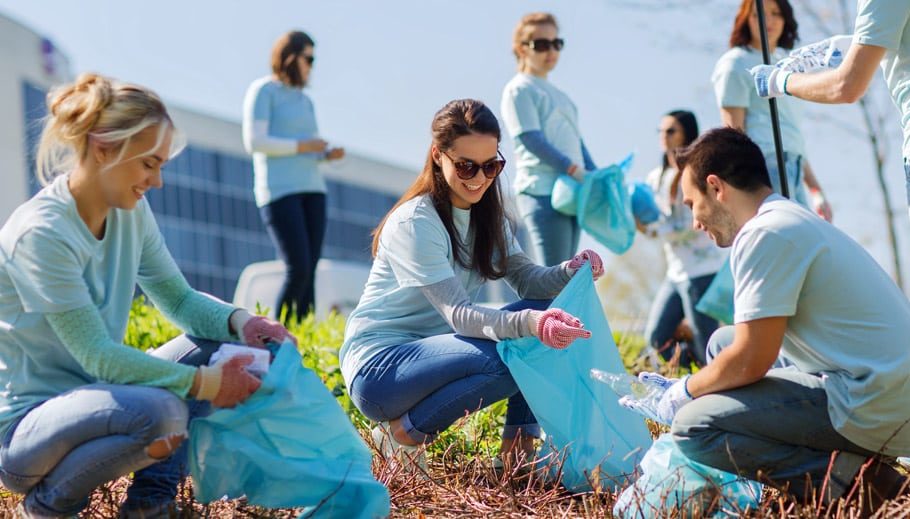
The top volunteer programs for high school students—such as those offered by the American Red Cross and Habitat for Humanity—provide hands-on opportunities to build leadership, gain real-world skills, and contribute to meaningful causes. These experiences also strengthen your college applications by demonstrating initiative and community impact.
In this guide, we highlight the Top 15 Volunteer Programs for High School Students, outlining what each program offers, who it’s best suited for, and how it supports personal and academic growth.
- Best Volunteer Programs for High School Students
- American Red Cross
- Habitat for Humanity
- Amnesty International
- UNICEF
- Special Olympics
- Make-A-Wish Foundation
- United Way
- Key Club
- Interact Club
- Best Buddies
- Boys and Girls Clubs of America
- Mayo Clinic High School Student Summer Volunteer Program
- Salvation Army
- Meals on Wheels
- Senior Centers, Food Banks, or Soup Kitchens
- Frequently Asked Questions
- Takeaways
Best Volunteer Programs for High School Students
When exploring the best volunteer programs for high school students, it’s important to look for opportunities that offer meaningful impact, skill-building, and real community engagement. These programs stand out for their strong training, supportive environments, and the chance to contribute to causes that matter the most to you.
Here’s a quick overview of the best volunteer programs for high school students, including each program’s location and dates:
| Rank | Volunteer Program | Location | Dates |
| 1 | American Red Cross | Nationwide (USA) | Year-round (ongoing volunteer shifts) |
| 2 | Habitat for Humanity | Various local affiliates across the USA (and worldwide) | Year-round (project-based schedules) |
| 3 | Amnesty International | Global (Amnesty International USA and local chapters) | Year-round involvement (ongoing campaigns) |
| 4 | UNICEF | Global (UNICEF USA clubs and campaigns) | Year-round (ongoing projects and events) |
| 5 | Special Olympics | University of Minnesota Twin Cities & National Sports Center, Blaine, MN (USA Games 2026) | June 20–26, 2026 (USA Games); plus year-round local events |
| 6 | Make-A-Wish Foundation | Local Make-A-Wish chapters across the USA | Year-round (ongoing wish-granting events) |
| 7 | United Way | Local United Way chapters nationwide | Year-round (annual events like Days of Caring in spring) |
| 8 | Key Club | Chapters at high schools globally (Kiwanis International) | School-year membership (runs year-round) |
| 9 | Interact Club | Chapters at high schools worldwide (sponsored by Rotary clubs) | School-year membership (runs year-round) |
| 10 | Best Buddies | Friendship chapters at middle/high schools and colleges nationwide | School-year activities (year-round club meetings) |
| 11 | Boys and Girls Clubs of America | Local Clubs nationwide (4,000+ locations) | Year-round (after-school and summer programs) |
| 12 | Mayo Clinic High School Student Summer Volunteer Program | Phoenix/Scottsdale campus, Mayo Clinic, Arizona | June 1 – July 31, 2026 |
| 13 | Salvation Army | Local corps and centers across the USA | Year-round (ongoing community services) |
| 14 | Meals on Wheels | Local nonprofit agencies across the USA | Year-round (daily meal deliveries) |
| 15 | Senior Centers, Food Banks, and Soup Kitchens | Local community centers, pantries, or shelters near you | Year-round (ongoing service needs) |
Let’s discuss each volunteer program one by one.
1. American Red Cross
- Dates: Year-round (ongoing volunteer shifts)
- Location: Nationwide (USA)
- Cost: Free (no fee to volunteer)
The American Red Cross offers a wide range of volunteer programs for high school students, from community blood drives to disaster relief efforts. High school volunteers can join local Youth Corps or clubs to learn lifesaving skills (like CPR) and participate in leadership training camps.
The program is notable for its broad impact—teens help communities in crisis and even become eligible for Red Cross scholarships for outstanding youth leaders. Whether building emergency kits or teaching neighbors first aid, Red Cross youth volunteers gain valuable service experience.
If you’re curious about one of the most trusted and impactful volunteer programs for high school students, check out our comprehensive guide to the Red Cross Youth.
2. Habitat for Humanity
- Dates: Year-round (project-based schedules)
- Location: Various local affiliates across the USA (and worldwide)
- Cost: Free (volunteer labor)
Habitat for Humanity runs volunteer programs for high school students through youth build projects and campus chapters. Teens work side-by-side with future homeowners to build or repair houses, gaining hands-on construction skills and a deep sense of accomplishment.
The program’s unique appeal is its tangible impact: youth volunteers help create safe, affordable homes and often participate in global “Campus Chapters” or spring break builds. Habitat’s youth opportunities foster teamwork, leadership, and community service—all while addressing critical housing needs.
Dive into our complete guide to Habitat for Humanity and see how students contribute to construction projects and community development.
3. Amnesty International
- Dates: Year-round involvement (ongoing campaigns)
- Location: Global (Amnesty International USA and local chapters)
- Cost: Free (no volunteer fees)
Amnesty International’s youth programs allow high schoolers to engage in human rights advocacy as part of global volunteer programs for high school students. Teen volunteers join or start local “Amnesty clubs” to campaign on issues like refugee rights, free speech, or ending torture.
The unique aspect of Amnesty’s program is its focus on social justice: students learn about international law, organize letter-writing campaigns or rallies, and can even attend national youth conferences. By volunteering, teens develop leadership and activism skills while contributing to international human rights efforts.
If you’re interested in one of the most influential human rights volunteer programs for high school students, check out our comprehensive guide to Amnesty International.

4. UNICEF
- Dates: Year-round (ongoing projects and events)
- Location: Global (UNICEF USA clubs and campaigns)
- Cost: Free (no fees for volunteers)
UNICEF offers student-led clubs and campaigns through volunteer programs for high school students to support children’s rights around the world. High school volunteers might organize fundraisers, awareness events, or advocacy efforts (such as child health, education, and emergency relief).
The program’s strength is giving teens a global perspective: volunteers learn about international development, work with schools on UNICEF’s school programs, and may even travel for service projects. Notably, UNICEF youth volunteers become part of a global movement (over 600 schools in the US) working on child-focused campaigns and leadership training.
If you’re curious about developing leadership, communication, and advocacy skills while supporting humanitarian work, read our full guide to UNICEF to discover why it’s a meaningful volunteer path.
5. Special Olympics
- Dates: June 20–26, 2026 (USA Games); plus year-round local events
- Location: University of Minnesota Twin Cities & National Sports Center, Blaine, MN (USA Games 2026)
- Cost: Free (no volunteer fee)
Special Olympics volunteers help organize athletic competitions and community events that celebrate inclusion. Thousands of high school students can serve as coaches, referees, or team assistants in local Special Olympics events or the big national games.
Volunteering in Special Olympics is unique because it offers teens a chance to work directly with athletes with intellectual disabilities, fostering empathy, teamwork, and an inclusive spirit. Many high schools form volunteer groups to support athletes at local meets or train for summer games, making it a rich volunteer program for high school students focused on empowerment through sports.
6. Make-A-Wish Foundation
- Dates: Year-round (ongoing wish-granting events)
- Location: Local Make-A-Wish chapters across the USA
- Cost: Free
Make-A-Wish volunteer programs empower high schoolers to help grant life-changing wishes for children with serious illnesses. Teens can serve in roles like Wish Granter (meeting wish kids), Event Volunteer (planning fundraising galas or walkathons), or Office Assistant at local chapters. The distinctive aspect of Make-A-Wish is its highly personal impact: volunteers often work directly with families and see the joy a wish brings.
As part of a network of over 24,000 volunteers nationwide, student volunteers gain valuable project and community leadership skills while making a profound difference in a child’s life.

7. United Way
- Dates: Year-round (annual events like Days of Caring in spring)
- Location: Local United Way chapters nationwide
- Cost: Free (no volunteer fees)
United Way connects high school volunteers to community service projects through its broad network. The organization often encourages student volunteer teams, making it easy for high schools to organize group projects.
Thanks to that, students gain experience in many service areas and work alongside corporate and community partners. For example, teens participate in events like annual “Days of Caring,” tutoring programs, or local drives for meals and school supplies. The strength of United Way’s volunteer programs for high school students is its variety: depending on the chapter, teens might mentor young children, assist at food banks, or help seniors with tax preparation.
This flexibility and local focus make United Way an accessible way for teens to engage in community service and leadership.
8. Key Club
- Dates: School-year membership (runs year-round)
- Location: Chapters at high schools globally (Kiwanis International)
- Cost: Nominal annual dues (about US$16–$20 per year, varies by district)
Key Club is a student-led service organization that operates as a volunteer program for high school students in thousands of schools. Members pay a small yearly fee (dues vary by district—roughly $16 total in many regions) and commit to community service projects. Key Clubs usually plan two to three projects per year and hold fundraisers or awareness events.
What sets Key Club apart is its emphasis on student leadership and recognition: members can attend leadership workshops, district conferences, and even international conventions. Through Key Club, high school volunteers also develop project management and public speaking skills while serving in causes ranging from hunger relief to mentoring younger students.
Read our comprehensive guide to Key Club and see how high school students make an impact through leadership, volunteering, and community-driven initiatives.
9. Interact Club
- Dates: School-year membership (runs year-round)
- Location: Chapters at high schools worldwide (sponsored by Rotary clubs)
- Cost: Usually a small annual fee (set by sponsor Rotary club)
Rotary’s Interact Clubs bring together teenagers to organize service projects and cultural exchanges. These clubs (for ages 12–18) focus on “Service Above Self,” often completing at least two major projects each year: one local service project and one international project. For example, an Interact Club might run a food drive for the community and also organize a pen-pal program with students in another country.
The program is notable for its global reach and leadership development: Interactors attend events like World Interact Week or Rotary Youth Day at the UN. Through Interact, high school volunteers join a worldwide network of young leaders, gaining project experience and cultural awareness as part of a well-supported Rotary-backed program.
If you want to explore a globally connected service program sponsored by Rotary, dive into our complete guide to Interact Club.

10. Best Buddies
- Dates: School-year activities (year-round club meetings)
- Location: Friendship chapters at middle/high schools and colleges nationwide
- Cost: No individual membership fee (free to join)
Best Buddies pairs students who have intellectual or developmental disabilities (IDD) with those who have no IDDs in one-to-one friendships. It functions as a volunteer program for high school students through school clubs: members plan inclusive activities like social outings and campus events. Notably, there is no cost for a student to join Best Buddies, though chapters may fundraise for events.
The unique aspect of Best Buddies is its mission of inclusion—high school volunteers become leaders and advocates in fostering meaningful friendships for peers with disabilities. By organizing four or more events per year and weekly buddy meetings, students gain leadership experience while directly improving school climate.
11. Boys and Girls Clubs of America
- Dates: Year-round (after-school and summer programs)
- Location: Local Clubs nationwide (4,000+ locations)
- Cost: Free (volunteer positions are unpaid)
The Boys and Girls Clubs offer volunteering opportunities for high schoolers in mentoring, tutoring, and program support. Teens can volunteer as tutors, coaches, or club aides in wide-ranging after-school and summer activities. This network’s unique strength is its focus on youth development: volunteers support programs that help younger kids build confidence and academic skills.
For high school students, volunteering at a local Club means working in a fun, structured environment and often seeing tangible progress in the children they mentor. Many clubs welcome teens to assist year-round or specifically during intensive summer camp sessions, making it a flexible volunteer program for high school students with a friendly community atmosphere.
12. Mayo Clinic High School Summer Volunteer Program
- Dates: June 1 – July 31, 2026 (nine-week session)
- Location: Phoenix/Scottsdale campus, Mayo Clinic, Arizona
- Cost: Free (volunteer positions, no tuition)
Mayo Clinic’s summer volunteer program places high school students in hospital settings to assist staff and learn about healthcare careers. Over the nine-week program (June 1–July 31, 2026), students complete one four-hour shift per week, supporting patient care and non-patient tasks.
The program is notable for its educational benefits: volunteers “participate in meaningful work that supports patient care” and “explore potential careers in healthcare” through this exposure. Students attend orientation and educational talks, gaining firsthand insight into medical professions.

13. Salvation Army
- Dates: Year-round (ongoing community services)
- Location: Local corps and centers across the USA
- Cost: Free (no volunteer fees)
The Salvation Army’s volunteer opportunities allow high school students serve in many contexts— from running red kettle bell campaigns at holiday time to supporting local soup kitchens and youth camps. Teens might help organize summer day camps, assist in thrift store operations, or participate in disaster relief teams (Red Cross often partners with Salvation Army in emergencies).
The special aspect of Salvation Army volunteering is its variety and faith-based mission: students serve diverse populations (the homeless, elderly, families in need) while gaining community-building and leadership experience. For high school volunteers, this means hands-on involvement in service projects that address poverty and provide hope, aligning with the Army’s Christian ethos of service.
14. Meals on Wheels
- Dates: Year-round (daily meal deliveries)
- Location: Local nonprofit agencies across the USA
- Cost: Free (volunteer-run program)
Meals on Wheels engages high school volunteers in delivering meals to homebound seniors and people with disabilities. Teen volunteers typically meet weekly or monthly to pack meal boxes and drive routes, providing both nutrition and friendly visits. This program’s impact is very personal since high school students build empathy and communication skills by interacting with seniors one-on-one.
Meals on Wheels volunteers see the direct difference they make in delivering a smile and meal at a doorstep each day. Many communities welcome younger volunteers (often age 16+) to help during school breaks or after school, making it an accessible volunteer program for high school students focused on intergenerational care.
15. Senior Centers, Food Banks, and Soup Kitchens
- Dates: Year-round (ongoing service needs)
- Location: Local community centers, pantries, or shelters near you
- Cost: Free (volunteer-based services)
Volunteering at senior centers, food banks, or soup kitchens offers high school students very hands-on community service. Teens can help serve meals at community centers, organize food drives, or distribute boxes at food pantries. These programs stand out for their immediate local impact, thanks to volunteers who directly assist neighbors experiencing food insecurity or loneliness.
As part of these efforts, high schoolers often learn organization skills and compassion by interacting with seniors or families in need. Many schools even encourage service at local sites (e.g., monthly soup kitchen shifts or holiday food collections), making it a flexible set of volunteer programs for high school students.

Frequently Asked Questions
1. What are the best volunteer programs for high school students?
Programs like the American Red Cross, Habitat for Humanity, UNICEF, Special Olympics, and Make-A-Wish are among the top choices for meaningful, skill-building service.
2. Are there free volunteer programs for high school students?
Yes. Many nonprofits—such as local food banks, senior centers, Key Club, Interact Club, and community service organizations—offer free volunteer opportunities.
3. What subjects do volunteer programs typically cover?
Most programs focus on areas like community service, health, humanitarian aid, advocacy, youth mentorship, environmental work, and global outreach.
4. How can volunteer programs help with college admissions?
They demonstrate initiative, leadership, commitment to service, and real-world impact—qualities that strengthen applications and help you stand out.
5. When should I apply for volunteer programs?
Apply 3–6 months before the program starts. Competitive national programs may open applications as early as fall or winter for summer participation.
Takeaways
- Choosing the right volunteer program can shape your service experience and also your personal growth, leadership skills, and future opportunities.
- The top volunteer programs for high school students offer meaningful ways to make an impact—whether you’re supporting global causes, helping local communities, or developing hands-on skills that colleges value.
- By finding a program that aligns with your interests and goals, you can turn your time and effort into real change.
- If you want personalized guidance on which volunteer program matches your goals, check out our Academic & Extracurricular Profile Evaluation to make your experience stand out on college applications.