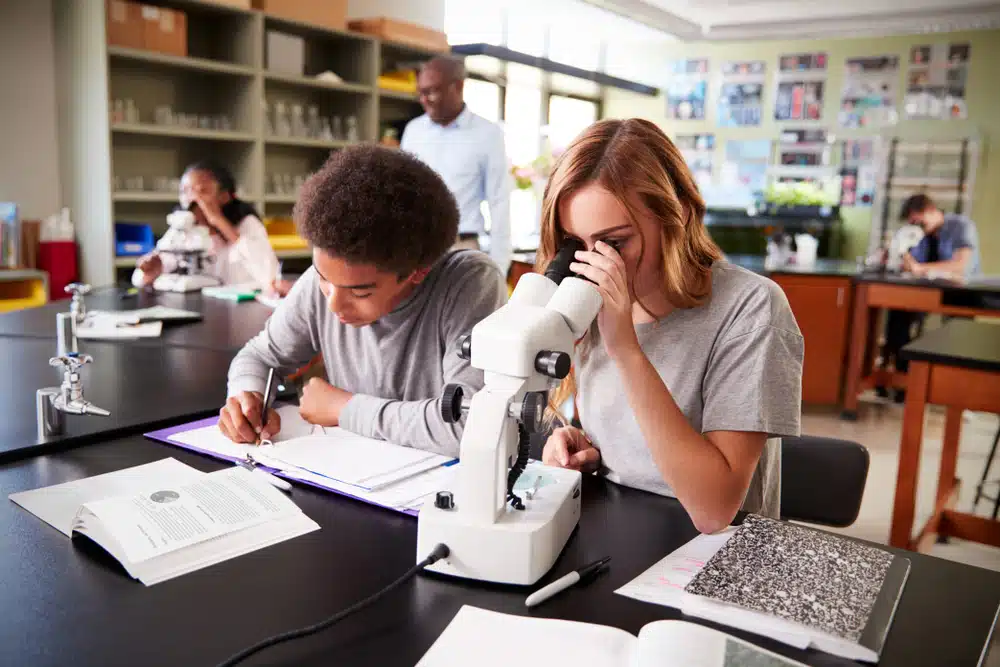
Thousands of U.S. students pursue competitive biology majors such as pre-med, neuroscience, and environmental science each year, but passion and grades alone don’t really make you stand out. That’s where research experience can help.
Choosing the right biology research topic shows colleges that you’re willing to challenge yourself and engage seriously with scientific research, signaling that you’re prepared for the level of rigor and independence that college coursework demands. In this blog, you’ll find biology research topics that are timely, specific, and relevant for 2026.
- Key Biology Research Topics to Explore
- Molecular and Cellular Biology Research Topics
- Ecology and Environmental Biology Research Topics
- Microbiology and Infectious Diseases Research Topics
- Biotechnology and Genetic Engineering Research Topics
- Human Anatomy, Physiology, and Health Sciences Research Topics
- Neuroscience and Brain Sciences
- How to Choose the Best Biology Research Topics
- Frequently Asked Questions
- Takeaways
Key Biology Research Topics to Explore
Advances in gene editing, bioinformatics, and accessible lab techniques now allow students to investigate questions once confined to university settings. Selecting topics aligned with these trends helps you design projects that feel current, manageable, and meaningful for science fairs, research journals, and college applications.
For example, a recent BioGENEius winner created a compact gene switch to control the timing of CRISPR gene editing, drawing on molecular biology and biotechnology while keeping the work student-led and feasible. Similar projects consistently succeed at Regeneron ISEF, particularly in cellular biology, environmental science, and biomedical research.
Below is an overview of six biology research areas especially relevant in 2026.
| Research Area | Description |
| Molecular and Cellular Biology Research Topics | Focuses on how cells, DNA, proteins, and enzymes work and how these processes affect growth, health, and disease. |
| Ecology and Environmental Biology Research Topics | Examines ecosystems, climate change, biodiversity, and how living organisms interact with their environment. |
| Microbiology and Infectious Diseases Research Topics | Studies bacteria, viruses, and other microorganisms, including how they spread, cause disease, and interact with the immune system. |
| Biotechnology and Genetic Engineering Research Topics | Explores how biological systems are used to develop new technologies in medicine, agriculture, and genetics. |
| Human Anatomy, Physiology, and Health Sciences Research Topics | Investigates how the human body functions, responds to stress, exercise, nutrition, and maintains overall health. |
| Neuroscience and Brain Sciences Topics | Focuses on how the brain and nervous system control behavior, memory, learning, and mental processes. |
Each subfield below includes 30 biology research topics designed for high school students seeking meaningful research experience and stronger college applications.
Molecular and Cellular Biology Research Topics
The list of topics below focuses on how cells, DNA, proteins, and enzymes work and how these processes affect growth, health, and disease.
- How temperature affects the rate of catalase enzyme activity in potatoes or liver.
- Impact of pH on amylase function when breaking down starch.
- Comparing DNA extraction efficiency from different fruits using household materials.
- How salt concentration influences osmosis in plant cells (onion or potato model).
- Investigating the effect of light exposure on chloroplast movement in plant leaves.
- How varying sugar concentrations affect yeast respiration (CO₂ production).
- The impact of different wavelengths of light on photosynthesis rates in aquatic plants.
- Studying how detergents affect cell membrane permeability in beet cells.
- How nutrient availability influences cell division rates in plants.
- Effect of caffeine on the metabolic rate of yeast cells.
- Comparing mitosis stages in root tip cells grown in light versus dark conditions.
- How temperature changes affect diffusion rates across semi-permeable membranes.
- Investigating how different fertilizers impact chlorophyll content in leaves.
- Effect of UV light on DNA damage (using yeast or plant models).
- How antioxidant-rich foods affect oxidative stress in model organisms.
- Studying how water stress influences stomatal density in leaves.
- Effect of salinity on enzyme function in plant tissues.
- Impact of growth hormones (auxin or gibberellin analogs) on stem elongation in plants.
- How temperature affects cell membrane stability (using beet tissue).
- Comparing protein content in different food samples using simple assays.
- How light-dark cycles influence circadian rhythm behaviors in plants.
- Effect of cooking methods on vitamin C retention in fruits or vegetables.
- Studying the effect of antibiotics on bacterial growth using safe strains.
- How heavy metal contamination (e.g., copper or lead solutions) affects plant cell growth.
- Comparing rates of cellular respiration in germinating vs. non-germinating seeds.
- Impact of pH on the stability of biological pigments (e.g., anthocyanins).
- Studying enzyme inhibition using common inhibitors like salt or alcohol.
- How nutrient deficiencies affect chloroplast development in seedlings.
- Investigating how stress conditions alter protein expression using simple gel simulations.
- How microwave exposure affects germination or cellular activity in seeds.

Ecology and Environmental Biology Research Topics
These topics examine ecosystems, climate change, biodiversity, and how living organisms interact with their environment.
- How soil moisture affects the growth rate of native vs. invasive plant species.
- Impact of light intensity on algae growth in freshwater samples.
- Measuring biodiversity in local parks using simple quadrat sampling.
- Effect of water pH on the diversity of aquatic macroinvertebrates.
- Comparing plant growth in compost-amended soil vs. regular garden soil.
- How urban noise pollution influences bird activity at different times of day.
- Relationship between tree canopy cover and temperature in urban vs. rural areas.
- Effects of household detergents on duckweed (Lemna) growth.
- How the presence of earthworms affects soil nutrient levels.
- Testing how different mulch types influence soil moisture retention.
- Impact of microplastics on seed germination rates.
- Measuring the carbon sequestration potential of common schoolyard trees.
- Studying how water turbidity affects the behavior of small fish.
- Comparing pollinator visitation rates on native vs. ornamental garden plants.
- How temperature variations affect compost decomposition rates.
- Impact of road proximity on plant species diversity.
- Investigating how leaf litter depth influences soil insect populations.
- Testing the effect of natural vs. synthetic fertilizers on freshwater algae blooms.
- Relationship between rainfall and mosquito breeding sites in residential areas.
- Effects of salinity on the germination of mangrove or salt-tolerant plants.
- How water availability affects stomatal density in local plant species.
- Impact of human foot traffic on soil compaction in parks or trails.
- Assessing the health of a local stream using bioindicator species.
- Comparing decomposition rates of organic materials in shaded vs. sunny areas.
- How air pollution affects lichens growing on trees in urban and rural locations.
- Influence of invasive species presence on native plant recruitment.
- Testing how different wavelengths of light affect photosynthesis in aquatic plants.
- Relationship between soil pH and earthworm abundance.
- Studying how artificial light at night affects insect attraction and behavior.
- How seasonal changes influence bird species diversity in a neighborhood.
Microbiology and Infectious Diseases Research Topics
This section examines bacteria, viruses, and other microorganisms, including how they spread, cause disease, and interact with the immune system.
- Effectiveness of natural cleaners (vinegar, lemon, salt) vs. commercial disinfectants on household bacteria.
- How handwashing duration influences bacterial reduction on skin.
- Bacterial growth on frequently touched surfaces (phones, keyboards, doorknobs).
- Impact of different soaps (antibacterial vs. regular) on bacterial colonies.
- How temperature affects the growth rate of safe, non-pathogenic bacteria (e.g., E. coli K-12).
- Testing how UV light exposure reduces surface bacteria levels.
- Comparing microbial diversity in tap water, filtered water, and bottled water.
- Effect of pH on yeast fermentation and metabolic activity.
- How food storage temperature affects mold growth on bread or fruit.
- Investigating antibiotic resistance by testing safe bacteria against household antibiotics (e.g., tetracycline discs).
- Studying how probiotic beverages influence gut-friendly bacterial growth (using yogurt cultures).
- The role of humidity in promoting fungal growth indoors.
- Comparing microbial content in public vs. private school bathrooms.
- How different sanitizing methods affect microbial loads on reusable water bottles.
- Impact of essential oils (tea tree, oregano, eucalyptus) on bacterial growth inhibition.
- How frequency of mask use affects bacterial accumulation on cloth masks.
- Modeling disease spread in classrooms using safe dye or glitter simulations.
- How airflow and ventilation impact droplet dispersion (safe spray bottle model).
- Investigating yeast’s response to sugar concentration and its implications for infection growth.
- Testing the effectiveness of alcohol concentrations (40%, 70%, 90%) on bacterial reduction.
- Simulating herd immunity using probability models and classroom data.
- How environmental surfaces influence viral survival (studied using surrogate viruses like bacteriophages).
- Comparing bacterial growth in compost vs. regular soil to study decomposition microbes.
- Tracking antibiotic awareness among students using survey-based research.
- Investigating mold growth in different light conditions.
- Relationship between hygiene behaviors and absenteeism due to illness in schools.
- How different materials (cotton, polyester, metal, plastic) support microbial growth.
- Testing whether homemade fermented foods contain probiotic bacteria.
- Studying the impact of hand sanitizer frequency on skin microbial diversity (safe swab tests).
- Analyzing public health data to track trends in seasonal infectious diseases (flu, RSV, gastrointestinal outbreaks).

Biotechnology and Genetic Engineering Research Topics
This list explores how biological systems are used to develop new technologies in medicine, agriculture, and genetics.
- Modeling how CRISPR works using digital simulations or safe bacterial systems.
- Exploring ethical questions surrounding human gene editing through surveys or case analysis.
Testing the effect of UV exposure on DNA damage using fruit (e.g., banana DNA extraction). - Comparing DNA extraction yields from different fruits or plant tissues.
Studying how selective breeding improves traits in common plants (e.g., bigger leaves, faster growth). - Investigating how GM crops affect pest resistance using data or model organisms.
- How environmental stress (salinity, drought) affects gene expression in plants (using observable traits).
- Surveying student knowledge on genetically modified organisms (GMOs) and public perception.
- Creating a simple synthetic biology model using safe organisms like E. coli K-12 or yeast.
- Testing how different growth media impact yeast productivity (biotechnology fermentation model).
- Studying how probiotics influence gut health using yogurt cultures as a model system.
- Investigating antibiotic resistance trends through publicly available genomic data.
- Modeling the inheritance of traits using Punnett squares and real plant cross-breeding.
- Studying how micropropagation works using cuttings from houseplants.
- Comparing plant growth in hydroponics vs. soil as a model for agricultural biotechnology.
- Investigating how enzymes from genetically engineered bacteria are used in industry (data-based).
- Exploring biodegradable plastics created by bacteria (PHA or PLA) using literature and simple tests.
How bioengineering improves crop yield in drought-prone regions (case study). - Testing how different nutrients affect yeast or bacterial enzyme production.
- Researching how gene therapy works using safe analogies or computational models.
- Analyzing CRISPR breakthroughs using published case studies (sickle cell, agriculture, etc.).
- Modeling protein folding or mutation effects with online bioinformatics tools.
- Studying how bioluminescent organisms work and how synthetic biology mimics them.
- Investigating plant-based vaccines as an alternative to traditional vaccines (research paper).
- Exploring how bioengineered insulin transformed diabetes treatment.
- Testing growth hormone effects on plants using natural alternatives (seaweed extracts, compost tea).
- Studying how cloning works in plants through propagation experiments.
- Comparing the nutritional content of non-GMO vs. GMO foods using available data.
- Exploring how gene editing could help revive endangered species (de-extinction case study).
- Modeling how synthetic biology creates new medicines using starter kits or simulations.
Human Anatomy, Physiology, and Health Sciences Research Topics
This section investigates how the human body functions, responds to stress, exercise, nutrition, and maintains overall health.
- How different types of exercise (aerobic vs. anaerobic) affect heart rate recovery time.
- The impact of screen time on sleep quality among high school students.
- How hydration level influences reaction time or cognitive performance.
- Relationship between resting heart rate and physical fitness level.
- Effects of music tempo on concentration or memory performance.
- How caffeine affects reaction time or alertness in teens (survey + safe testing).
- Studying the effect of posture on lung capacity using simple spirometry tools.
- How stress impacts heart rate variability (HRV) using phone-based sensors.
- Analyzing how different breathing techniques affect blood oxygen saturation (safe and non-invasive).
- Exploring the link between nutrition habits and academic performance.
- How sleep duration affects short-term memory or problem-solving skills.
- Survey-based study on adolescent knowledge of mental health and coping strategies.
- The effect of stretching on flexibility and injury prevention.
- Comparing heart rate responses between walking, jogging, and sprinting.
- How reaction time differs before and after physical activity.
- Investigating how water intake influences kidney function indicators (hydration tests, urine color chart).
- Studying the relationship between BMI, waist-to-hip ratio, and cardiovascular risk indicators.
- Effects of different diets (high carb vs. high protein) on energy levels (self-study or survey).
- How allergies affect respiratory function during peak allergy seasons.
- Exploring how hand dominance relates to strength differences (grip strength test).
Relationship between physical activity levels and mood (survey + wearable data). - How mindfulness or meditation affects stress levels or focus.
- Testing how temperature affects muscle performance or flexibility.
- The effect of blue light exposure on melatonin production (using sleep tracking apps).
- Studying hydration habits among athletes vs. non-athletes.
- How different warm-up routines affect athletic performance.\Examining the role of probiotics on digestion and overall gut health (literature or yogurt culture study).
- Survey-based study on teen understanding of first aid and emergency response.
- How respiratory rate changes with various physical activities.
- Studying how balanced diet awareness influences food choices among students.

Neuroscience and Brain Sciences
This section focuses on how the brain and nervous system control behavior, memory, learning, and mental processes.
- How sleep duration affects reaction time and attention in high school students.
- The effect of background music on memory recall during studying
- How caffeine intake influences short-term memory and alertness
- The impact of screen time before bed on sleep quality and next-day cognitive performance
- Comparing reaction times when responding to visual versus auditory stimuli
- How stress levels affect test performance and working memory
- The effect of mindfulness or short breathing exercises on focus and task accuracy
- How multitasking impacts reading comprehension and information retention
- The influence of exercise intensity on mood and cognitive flexibility
- How color of light (warm vs. cool) affects concentration and alertness
- The effect of hand dominance on reaction speed and motor coordination
- How background noise levels influence problem-solving accuracy
- The relationship between music tempo and typing or task completion speed
- How sleep deprivation affects decision-making and risk-taking behavior
- The effect of short naps on memory recall and learning efficiency
- How time of day influences attention span and reaction time
- The impact of smartphone notifications on sustained attention
- How different study techniques (rewriting notes vs. active recall) affect memory retention
- The effect of eye movement breaks on visual fatigue and focus
- How hydration levels affect cognitive performance and alertness
- The relationship between anxiety levels and reaction time under timed conditions
- How visual illusions affect perception and decision-making speed
- The effect of learning new motor skills (simple juggling or finger patterns) on coordination
- How music with lyrics versus instrumental music affects reading comprehension
- The impact of posture (sitting upright vs. slouching) on attention and alertness
- How familiarity with a task affects brain efficiency as measured by speed and accuracy
- The effect of emotional content in images on memory recall
- How repeated practice influences neural adaptation in reaction time tasks
- The relationship between sleep consistency and attention span
- How short physical movement breaks influence focus during long study sessions
How to Choose the Best Biology Research Topics
Choosing the right biology research topic sets the foundation for your entire project. In this section, you’ll learn how to pick a topic that matches your interests, fits your available resources, and stays ethical and manageable for a high school–level study. The steps below will guide you through making a smart, realistic choice that leads to a strong and successful research project.
Step 1. Consider your personal interests.
Pick a topic you would still want to talk about even when you’re tired. That’s the easiest way to test if your interest is real. Biology research takes weeks of reading, revising your question, troubleshooting methods, collecting data, and repeating trials. If your topic feels “meh,” you’ll rush the complex parts or give up when results don’t show up right away.

Be intentional with why you’re choosing it. Tie it to something you already do or notice in real life, then turn that into a researchable question. For example:
- If you’re into fitness or sports, focus on muscle fatigue, hydration, heart rate recovery, or sleep and performance.
- If you care about skincare or health, look at bacteria growth, handwashing methods, or the effect of soap types (in a safe setup).
Here is a good rule to remember: if you can explain your topic in one sentence starting with “I’m curious why…,” you’re on the right track. That clarity helps you design a cleaner experiment, defend your choices in your write-up, and make your project feel personal instead of random.
Step 2. Assess available resources.
Before locking in a topic, map out what resources you can realistically use. Start with data and literature, including:
- Google Scholar for academic papers
- PubMed Central (PMC) and NCBI for biology and health research
- CDC and WHO for public health data
- NOAA and USDA for environmental and agricultural datasets
- Kaggle for clean, student-friendly datasets
For observation-based projects, these platforms are especially useful for biodiversity data:
- iNaturalist
- GBIF
Next, check equipment and space. Can your school lab support basic work like microscopy, culturing yeast (where allowed), or enzyme tests? If not, pivot to surveys, simulations, or secondary data analysis.
Finally, confirm mentorship and rules. A science teacher, lab coordinator, or local university outreach program helps refine methods, and your school’s research guidelines will clarify what’s approved. The best topic fits your resources from day one, so you can focus on doing good science instead of chasing tools.
Step 3. Ensure the topic is appropriately scoped.
A strong biology research topic sits in the middle ground. Too broad, and you won’t be able to control variables or finish in time. Too narrow, and you won’t have enough data to analyze. Aim for a question you can test, repeat, and clearly explain using the time and resources you actually have.
Here are examples of topics that too broad, narrow, and well-scoped:
| Topic Scope | Example Research Topics | Why It Works (or Doesn’t) |
| Too broad | How does climate change affect ecosystems? | Too many variables, ecosystems, and timescales to study meaningfully in a student project. |
| How does genetics influence human disease? | Covers hundreds of diseases and biological mechanisms, making focused experimentation unrealistic. | |
| Too narrow | Does one specific brand of hand sanitizer kill one strain of bacteria after 10 seconds? | Produces only a single data point with little room for comparison or deeper analysis. |
| Does blue light at exactly 470 nm affect reaction time in left-handed 16-year-olds? | The conditions are overly specific, making it hard to collect enough usable data. | |
| Well-scoped | How does exposure to blue light before sleep affect reaction time and sleep quality in high school students? | Focused, measurable, and realistic using surveys, simple tests, or wearable data. |
| How do different concentrations of salt affect germination rates in radish plants? | Controls variables, allows repetition, and produces clear, analyzable results. |
A good rule of thumb is that if you can design the experiment, collect data, and analyze results within a few weeks without rushing, your scope is probably right.
Step 4. Check scientific relevance and timeliness.
Choose a topic that connects to what scientists are actively studying right now. Biology changes fast, and research tied to current issues like health, climate, technology, or human behavior feels more meaningful and easier to support with recent sources.
A simple check is to see if recent articles (from the past five years) exist on your question. If they do, you’re likely working within an active and relevant area of research.
Step 5. Verify safety and ethical feasibility.
Before committing to a topic, make sure it can be done safely and within approved guidelines. High school research should avoid restricted materials, invasive procedures, or anything involving human or animal testing without proper authorization. Stick to methods that your school allows and that you can clearly justify as ethical and low risk.
Choosing a safe and approved approach protects you, your participants, and the credibility of your research.
Frequently Asked Questions
1. What makes a good high school biology research topic?
A good topic is focused, testable, safe, and realistic with the resources you have. It should answer a clear question and allow you to collect repeatable data.
2. How long should a typical high school biology research project take?
Most projects take 4–8 weeks, including background research, data collection, and analysis.
3. Do I need access to a laboratory to complete my biology research project?
No. Many strong projects use surveys, observational studies, simulations, or publicly available datasets instead of lab work.
4. How can I find credible scientific sources for my research?
Use Google Scholar, PubMed Central (PMC), NCBI, CDC, WHO, NOAA, and university or government websites.
5. What types of data collection are easiest for high school biology students?
Controlled experiments with simple materials, observational data, surveys, and secondary data from trusted databases are the most manageable.
Takeaways
- Choosing a biology research topic that aligns with real scientific trends makes a project feel current and easier to support with credible sources.
- The best research topics are realistic for high school students and match available resources, time, and school guidelines.
- A well-scoped question leads to clearer experiments, better data, and stronger conclusions.
- Safe and ethical research choices protect both the student and the project’s credibility while still enabling meaningful scientific work.
- If you want guidance in choosing biology research topics, working with a college admissions advisor can help you design research that strengthens your application and sets you apart in the admissions process.