Can you take the SAT after high school? The short answer is: Yes, you can. It’s not the most traditional route, but it’s definitely possible. With proper preparation, you can still join the 1.97 million students who take the SAT.
Whether updating an old score, applying for scholarships, or transferring colleges, the SAT can open many doors throughout your academic journey. Keep reading to learn the most common reasons why adults take the SAT, how to prepare, and what to expect on test day.
- Can You Still Take the SAT after High School?
- Why Take the SAT after High School?
- How to Retake the SAT after High School
- Tips for Taking the SAT after High School
- Frequently Asked Questions
- Takeaways
Can You Still Take the SAT after High School?
Yes, you can still take the SAT after high school. While most students take it during their junior or senior year, there’s no age limit and no requirement to be currently enrolled. In fact, many adults choose to take the SAT for a variety of reasons, such as transferring to another school or applying to college after a gap year or time away from academics.

The SAT itself is designed to measure college readiness through reading, writing, and math. Some colleges and universities still use SAT scores as part of their admissions process, alongside your GPA, extracurriculars, and personal essays.
Unlike some standardized tests limited to high school students, the SAT is open to college hopefuls of all ages, even if it’s been years since you graduated.
Why Take the SAT after High School?
There are several compelling reasons you might need to take (or retake) the SAT after high school. Here are a few common scenarios:
1. College applications
Life doesn’t always move in a straight line. Some people choose to delay college to gain work experience, travel, or take time to figure out what they want to do. Others take a break and later decide to return to school.
In fact, more and more people are going back. Over a million people re-enrolled in college in 2024, showing that it’s never too late to continue your education. While many students still leave school without completing a degree, this rise in re-enrollment shows that people continue to see the value of higher education.
If you plan to apply to college now, you may need to take the SAT. While some colleges are test-optional or test-blind, many still use standardized tests to help evaluate applicants. Check your target school’s admissions policy to make sure you’re increasing your chances of getting admitted.
2. Transferring schools
Transferring from a community college or another four-year institution to a new school isn’t always guaranteed. Each college has its own admissions criteria, and it’s important to make sure your application meets all of them. You’ll also want to show that you’re a strong academic fit for the program you’re applying to.
If you’ve already taken the SAT or ACT, your scores may still be valid, depending on how long ago you took the test and the school’s specific policies. However, retaking the SAT could be a good move, especially if you’re aiming for a more competitive program. A higher score can strengthen your application and help you stand out among other transfer applicants.
3. Scholarships and grad school
SAT scores can also factor into scholarship and financial aid decisions. Many programs set score requirements as part of their eligibility criteria, and submitting a strong score could improve your chances of receiving funding.

For example, retaking the test could make you eligible if you’re applying for a scholarship requiring a minimum SAT score of 1350 and your original score falls short.
In some cases, SAT scores may also strengthen your graduate school applications. While most grad programs focus on other exams like the Graduate Records Examinations (GRE), a strong SAT score can still support your academic profile, especially if your undergraduate record is incomplete or inconsistent.
4. Improving old SAT scores
While SAT scores don’t officially expire, many colleges prefer scores from within the past five years. According to the College Board, official score reports sent to colleges five or more years after the test date may be considered “less valid predictors of academic performance.” This is because your knowledge, skills, and abilities can change significantly over time.
If it’s been five years and you’re applying to a school or program that requires your scores, now is a good time to retake the test. Even if your previous score was decent, it may no longer reflect your current academic abilities or potential.
How to Retake the SAT after High School
Taking the SAT after high school is a little different from taking it as a student. If you’re ready to retake the test, here’s what you need to know:
1. Register as a high school graduate.
First, you must register through the College Board’s website or by mail. The process is mainly geared toward current students, but adults can complete it with no problem. Simply enter your personal details, upload a photo of yourself, and pay the registration fee.
As an adult test-taker, skip any questions about parents and select “I am not in high school” when asked about your current education status. If you need extra help, you can follow a step-by-step SAT registration guide available on the College Board website.
2. Choose a test center.
You’ll take the SAT at an official test center, usually alongside current high school students. Most test centers are high schools, but some are also located in community colleges, universities, or other approved locations.
During registration, you can search for a test center near you. It’s a good idea to register early since spots often fill up as the deadline approaches. Signing up in advance helps you secure a location that’s close and convenient.
3. Know the rules.
If you’re 21 or older, there are a few specific rules to keep in mind.

First, you can’t use a high school or college student ID to check in on test day. Instead, you must bring a valid, government-issued photo ID, such as a driver’s license, passport, or state-issued ID card. If your ID doesn’t meet the requirements, you may be turned away, so make sure it’s up to date and clearly shows your name, photo, and signature.
Another important detail: test-takers aged 21 or older can’t be placed on the SAT waitlist. That means if a test center is full, you won’t be able to request a seat last minute like younger students sometimes can. Again, register early and secure your spot before the deadline.
4. Familiarize yourself with the new SAT format.
The SAT has undergone significant changes, especially with the 2024 redesign. It’s now fully digital, so you’ll take the test on a computer instead of paper and pencil. The new version is also shorter, lasting two hours and 14 minutes.
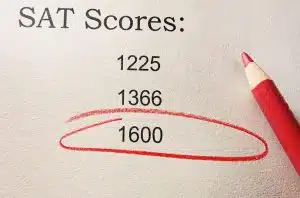
The scoring system has been updated as well. The test is now scored on a 400–1600 scale, and while the essay section is optional, a few colleges may still require it. The Reading and Writing sections have been combined into one, and the Math section has been revised to align with more current high school standards.
One of the biggest changes is adaptive testing, with each section split into two parts. How well you do on the first part affects the difficulty of the second. This makes the test more personalized for each student.
Remember, the test may not be what you remember if you took it in high school, so reviewing the new format before signing up is important.
5. Take the test with confidence.
Taking the SAT as an adult might feel a little awkward at first, especially if you’re sitting in a room full of high school students. But don’t let that discourage you! This test doesn’t define who you are or what you can achieve.
Approach it with confidence and the understanding that it’s just one part of your educational journey. In fact, many adults find they perform better the second time around. With more life experience and less pressure than in high school, you may feel calmer and more focused during the exam.
Tips for Taking the SAT after High School
While the SAT tests the same material for everyone, preparing for it as an adult comes with its own challenges. You may have been out of the classroom for a while, but with the right strategy, you can still do well. Below are some tips to help you get ready for the SAT after high school.

1. Brush up on the basics.
If it’s been a while since high school, you’ll likely need to revisit the material covered on the SAT. The test focuses on core subjects like math, reading, and writing, so it’s important to review key concepts in each area.
Start by brushing up on basic algebra, grammar rules, and reading comprehension strategies. Use practice tests to determine where you stand and which topics need more attention. Whether using textbooks, online resources, or flashcards, building a solid foundation can greatly help on test day.
2. Use updated resources.
The SAT has changed over time, so it’s important to study with the most current materials. The content, question style, and format may differ from what you remember, especially now that the test is fully digital.
Make sure you’re using up-to-date guides, official practice tests, and tools that reflect the latest version of the exam. Resources from the College Board are especially helpful since they align closely with what you’ll see on test day. Studying with outdated materials can leave you unprepared, so stick with the newest versions to give yourself the best chance of success.
3. Manage your time wisely.
We recommend studying for the SAT for about five to 20 hours per week for roughly three months. That timeline can vary depending on your goals, schedule, and the amount of content you need to review.
Managing your time effectively is especially important as an adult with other responsibilities. Set realistic study goals, plan a consistent schedule, and balance your prep with work and personal commitments.
At the same time, take brain breaks and avoid overloading yourself. Get plenty of rest the night before the test, show up on time, and aim to walk in with a calm and clear mindset.
4. Work with a tutor.
If you need additional support, working with a tutor can be incredibly beneficial. A good tutor will help you identify your weak areas, build on your strengths, and create a study plan tailored to your goals—whether that’s improving your previous score, qualifying for scholarships, or meeting admissions requirements.
Tutors can also keep you accountable and offer useful tips and updated strategies you may have forgotten or never learned, especially if it’s been a while since you last studied for a standardized test.
Frequently Asked Questions
1. Can I take the SAT as an adult?
Yes, adults can take the SAT. There’s no age limit or requirement to be a current student. However, keep in mind that more colleges are going test-optional, so check your target school’s admissions policy before deciding to take the exam.
2. What is the oldest age to take the SAT?
There’s no maximum age to take the SAT. Whether you’re in high school or already have years of work experience, you’re allowed to take the test. Just make sure to register on time, get to know the updated SAT format, and bring whatever’s required on test day.
3. Can you retake the SAT after high school?
Yes, you can retake the SAT anytime after high school. Many adults do this to apply for college after some time away, improve their old score, transfer to a different school, or qualify for scholarships. Just follow the same registration steps as any other test-taker.
Takeaways
- You can take the SAT after high school. There’s no age limit, and adults are welcome to register.
- Common reasons for taking the test after high school include applying to college later in life, qualifying for scholarships, or improving an old score.
- The registration process is the same, but the test is now digital, uses adaptive testing, and follows a new format.
- To prepare well, refresh your knowledge, use updated study materials, and manage your time effectively.
- If you need help, consider working with a private admissions consultant to build a solid study plan, stay organized, and strengthen your overall college application.