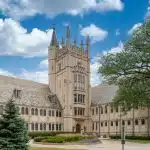
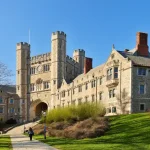
The Columbia Greek life has been part of campus for more than 175 years. If you decide to join a fraternity or sorority, you’re signing up for events and social activities and stepping into a community that feels like family. Each chapter is built around shared values, so you’ll always have people who push you to grow, cheer you on, and stick with you through it all.
In this blog, you’ll get an inside look at Columbia’s fraternities and sororities: how they’re organized, what makes each council unique, and the role they play in campus life. You’ll also learn about the different chapters, their traditions, their service work, and the benefits of joining Greek life at Columbia.
- Does Columbia Have Greek Life?
- What Are the Fraternities and Sororities at Columbia?
- Anti-Hazing Policy at Columbia
- Benefits of Joining Columbia Greek Life
- Frequently Asked Questions
- Takeaways
Does Columbia Have Greek Life?
Columbia’s Greek life is active and welcoming. These organizations are grouped under different councils, each one guiding how recruitment works and how members get involved:
- The Interfraternity Council (IFC) is a student-run council that brings together all the fraternities on campus. The board also acts as the bridge between the chapters and the larger Columbia community.
- The Multicultural Greek Council (MGC) is the student-led group that supports and oversees the multicultural fraternities and sororities on campus.
- The Panhellenic Association serves as the governing organization for the six National Panhellenic Conference sororities at Columbia.
Each council has its own style, values, and focus, which means you’ll have plenty of options to find a group that fits who you are and what you care about.
What Are the Fraternities and Sororities at Columbia?
Columbia Greek life community includes 19 chapters, all organized under three councils. Now, let’s dive into each council and the groups that belong to it:
1. The Interfraternity Council
The Interfraternity Council (IFC) at Columbia is a student-led board that oversees and unites the fraternities on campus. It also serves as the link between these chapters and the wider community, working to promote a strong and positive presence for fraternity life at Columbia.
With 6 officially recognized IFC chapters, you’ll find a wide range of interests and opportunities. Each fraternity has its own character and traditions, but they all share the same goal, and that is building a community of driven and motivated young men.
Here are the recognized six chapters under IFC’s leadership:
| Greek Letters | Members (Chapter) | Nickname |
| ΑΔΦ | Alpha Delta Phi Society – Delta Chapter | ADP |
| ΑΕΠ | Alpha Epsilon Pi – Iota Chapter | AEPi |
| ΚΔΡ | Kappa Delta Rho – Nu Alpha Chapter | KDR |
| FIJI | Phi Gamma Delta – Omega Chapter | FIJI |
| ΣΝ | Sigma Nu – Delta Gamma Chapter | Sig Nu |
| ΣΦΕ | Sigma Phi Epsilon – New York Phi Chapter | Sig Ep |
Here’s a closer look at some of the IFC chapters:
Alpha Epsilon Pi – Iota Chapter
The Jewish fraternity at Columbia University is Alpha Epsilon Pi (AEPi), a brotherhood that has been around since 1913. Today, AEPi has grown into the world’s Jewish college fraternity with chapters on more than 150 campuses across four countries and a network of over 100,000 living alumni.
The fraternity recognizes the impact the Jewish people have made globally and works to honor that legacy by supporting causes that matter. Through efforts like the Repair the World Fund and programs such as the OPP, members focus on philanthropy and community service that directly benefit Jewish organizations worldwide.
Kappa Delta Rho – Nu Alpha Chapter
Kappa Delta Rho’s Nu Alpha chapter, commonly known as KDR, is one of the fraternities recognized by the Interfraternity Council and is based in a brownstone on 114th Street.
The chapter dedicates its philanthropic work to Alex’s Lemonade Stand Foundation (ALSF), a pediatric cancer charity founded in honor of Alexandra “Alex” Scott, who was diagnosed with neuroblastoma shortly before her first birthday.
Kappa Delta Rho itself was founded on May 17, 1905 at Middlebury College in Vermont. Today, the fraternity has more than 25,000 initiated members and maintains 37 active chapters nationwide.
In the past academic year, 450 undergraduates earned membership in the Order of Constantine by achieving a 3.24 GPA or higher.
2. Multicultural Greek Council (MGC)
The Multicultural Greek Council (MGC) is a student-run council that guides and supports culturally based fraternities and sororities on campus. Its chapters are connected to national groups like the National Association of Latino Fraternal Organizations (NALFO), the National Pan-Hellenic Council (NPHC), and the National Asian Pacific American Panhellenic Association (NAPA).
If you’re interested in joining, MGC chapters welcome new members through a process called Rush or Intake. The steps and requirements are set by each chapter’s national organization, so the experience can look a little different depending on the group.
Here are the chapters belonging to MGC:
| Greek Letters | Members (Chapter) | Nickname |
| ΑΦΑ | Alpha Phi Alpha – Eta Chapter | The Jewel |
| ΛΦΕ | Lambda Phi Epsilon | Lambda |
| ΦΙΑ | Phi Iota Alpha | Phiota |
| AKA | Alpha Kappa Alpha | AKAs |
| ΖΦΒ | Zeta Phi Beta | Zetas |
| ΔΣΘ | Delta Sigma Theta | Deltas |
| ΚΦΛ | Kappa Phi Lambda | Kappas |
| ΛΠΧ | Lambda Pi Chi | Pi Chis |
Let’s take a look at some of the members:
Alpha Phi Alpha – Eta Chapter
Alpha Phi Alpha Fraternity, Inc. first began as a study and support group for minority students who faced racial prejudice both inside and outside the classroom. At Columbia, it continues that legacy as part of Columbia Greek life, serving as the African American fraternity on campus with a focus on brotherhood, academic excellence, community service, and advocacy.
Known as “Men of Distinction,” Alpha men carry a reputation for leadership, achievement, and impact—qualities that reflect the fraternity’s enduring presence. That commitment to growth goes beyond campus life.
Through programs like the College Life to Corporate Life Initiative (C2C), Alpha Phi Alpha invests in developing its members’ potential while building strong partnerships with corporations. This initiative not only helps members secure meaningful career opportunities but also expands the pool of diverse talent available to its corporate partners.
Founded on December 4, 1906 at Cornell University in Ithaca, New York, Alpha Phi Alpha was the first intercollegiate Greek-letter fraternity created for African American men. Its seven founders saw the need for a deep and lasting bond of brotherhood, and that vision still guides the fraternity today.
Alpha Kappa Alpha – Lambda Chapter
Alpha Kappa Alpha Sorority, Incorporated was founded in 1908 at Howard University, making it the first Greek-letter sorority created by Black women. Its twenty founders had a clear vision: build a sisterhood that upholds strong academic and ethical standards, fosters unity and friendship, addresses issues affecting women and girls, stays engaged in college life, and above all, serves others.
Since its beginning, Alpha Kappa Alpha has stayed true to that mission of “Service to All Mankind.” Within Columbia Greek life, the Lambda Chapter—established in 1922—has been an important part of the Harlem community, continuing that legacy through service, leadership, and sisterhood.
Zeta Phi Beta
Zeta Phi Beta Sorority, Incorporated was founded at Howard University on January 16, 1920. For more than a century, the sorority has continued its mission of service and excellence, with international programs like Z-HOPE (Zetas Helping Other People Excel) that focus on empowering people in mind, body, and spirit.
Even as it celebrated its 100th year, Zeta Phi Beta has stayed true to its roots by promoting scholarship, leadership, and community impact. As part of Columbia Greek life, its members have gone on to break barriers and serve in influential roles across every field.
The commitment to education is especially clear in the sorority’s scholarship efforts:
- $3.5 million awarded to college students in just the past five years
- The Arizona Cleaver Stemons $100,000 Scholarship, launched in 2020
- The Pearl Anna Neal $125,000 Scholarship, awarded annually since 2021
Zeta women continue to champion academic excellence and open doors for future generations.
3. The Panhellenic Council
The Columbia University Panhellenic Council is the governing body for the six National Panhellenic Conference sororities on campus: Alpha Chi Omega, Alpha Omicron Pi, Delta Gamma, Gamma Phi Beta, Kappa Alpha Theta, and Sigma Delta Tau. The council’s role is to bring these chapters together, encourage collaboration, and create a positive impact not just within Greek life, but across the entire Columbia community.
Each Panhellenic sorority has its own membership requirements, which you’ll learn about during Formal Recruitment. The only restriction is that first-semester freshmen cannot join. Many students choose to wait until sophomore year to go through recruitment, but juniors and seniors are also encouraged and welcome to register.
Let’s take a look at the six panhellenic members of the council:
| Greek Letters | Members (Chapter) | Nickname |
| ΑΧΩ | Alpha Chi Omega – Theta Psi Chapter | A-Chi-O |
| ΑΟΠ | Alpha Omicron Pi – Alpha Chapter | Alpha O |
| ΔΓ | Delta Gamma – Zeta Theta Chapter | DG |
| ΓΦΒ | Gamma Phi Beta – Iota Chapter | Gamma Phi |
| ΚΑΘ | Kappa Alpha Theta – Epsilon Upsilon Chapter | Theta |
| ΣΔΤ | Sigma Delta Tau – Gamma Tau Chapter | SDT |
Let’s get to know some of the chapters in more detail:
Alpha Chi Omega – Theta Psi Chapter
Alpha Chi Omega is committed to redefining what sisterhood and sorority life mean, with a strong focus on growth, leadership, and education. At the heart of its mission and within Columbia Greek life is raising awareness about domestic violence and helping women of all ages build healthy, positive relationships.
Across the country, Alpha Chi Omega’s main philanthropic project is Domestic Violence Awareness and Support (DVAS). Their efforts center on two goals: confronting the realities of unhealthy relationships and promoting the skills needed to create healthy ones.
Here at Columbia, the Theta Psi chapter works to educate the campus community about domestic violence, with special attention to how it affects college students. Each October, during Domestic Violence Awareness Month, the chapter hosts “Divas for DVAS Week.” This includes events like an educational panel with students, survivors, and educators, a self-defense class, and other activities designed to raise awareness.
With one in three women experiencing domestic violence in their lifetime, Alpha Chi Omega’s advocacy is not only vital but deeply connected to the experiences of many college students today.
Alpha Omicron Pi – Alpha Chapter
127 years ago, Barnard College was the only undergraduate college at Columbia that admitted women. It was there that four Barnard students, bonded by friendship and love, came together to found Alpha Omicron Pi (AOII). Today, the Alpha Chapter has grown into an intercollegiate sisterhood and a supportive community for driven students preparing to become the leaders of tomorrow.
On a global scale, AOII is also dedicated to philanthropy. Every two years, members raise more than $1.75 million for the Arthritis Foundation. This partnership supports Juvenile Arthritis (JA) camps, both national JA conferences, JA Power Packs, “Connect on Campus” programs, and arthritis research. In fact, the Alpha Omicron Pi Foundation recently celebrated 50 years of partnership with the Arthritis Foundation, marking a long legacy of service and impact.
Anti-Hazing Policy at Columbia
All fraternities within Columbia Greek life follow a strict no-hazing policy. Hazing can take many forms, such as physical abuse, forced consumption of food, alcohol, drugs, or any substance that puts a student at risk. It also includes intimidation, threats of exclusion, extreme mental stress, humiliation, or being pressured to do something illegal.
Both Columbia University and New York State Law strictly prohibit hazing. If you ever experience hazing or know of it happening, you should report it right away to the IFC Executive Board or the Associate Director of Fraternity and Sorority Life at 515 Lerner Hall. Your safety and well-being always come first.
Benefits of Joining Columbia Greek Life
Joining Greek life at Columbia can be one of the most memorable parts of your college journey, but its influence goes far beyond your undergraduate years. It’s about building real connections, gaining valuable skills, and finding a community that shapes your path both during college and after graduation.
Here are five benefits you can look forward to:
1. A ready-made support system
When you join a fraternity or sorority, you instantly have a circle of people who look out for you. Brothers and sisters help each other manage the challenges of academics, adjust to life in New York City, and stay grounded during stressful times.
2. Leadership opportunities that matter
Greek organizations give you the chance to step into leadership roles: planning events, managing budgets, or organizing service projects. These experiences help you grow in confidence and develop skills that employers value just as much as your coursework.
3. Giving back to the community
Service is at the heart of Columbia Greek life. Many chapters support local Harlem initiatives and national philanthropic causes, and give you the chance to make a meaningful impact both on campus and in the wider community.
4. Professional and alumni connections
Columbia’s Greek community has deep alumni roots. These networks can connect you with internships, career opportunities, and mentors who are eager to support your success long after you leave Morningside Heights.
5. A true sense of belonging
College in a big city can feel overwhelming, but Greek life provides a home base where you’re valued and supported. Shared values, traditions, and experiences bring members together, giving you a place where you feel connected and at home.
Frequently Asked Questions
1. Does Columbia have fraternities and sororities?
Yes! Columbia does have fraternities and sororities, and they’ve been part of campus life for more than 175 years. Today, the Greek community is made up of over 19 chapters, organized under three main councils: the Interfraternity Council (IFC), the Multicultural Greek Council (MGC), and the Panhellenic Council (PHC).
2. When can students join Greek life at Columbia?
Students can join Columbia Greek life starting in their second semester of their first year. First-semester freshmen aren’t eligible to participate, but once spring recruitment begins, they can explore the different chapters.
3. What is rush week?
Rush Week at Columbia is the period when fraternities and sororities host events to meet potential new members and introduce them to their chapters. Depending on the council, this process can look a little different.
IFC chapters usually hold more social and networking-style events, Panhellenic sororities have a structured Formal Recruitment, and MGC organizations often use an intake process that focuses on informational sessions and cultural programming.
Takeaways
- Columbia Greek life has deep roots. With over 175 years of history at Columbia, fraternities and sororities are woven into the university’s culture and continue to grow.
- Councils shape the experience. The Interfraternity Council (IFC), Multicultural Greek Council (MGC), and Panhellenic Council (PHC) each provide different pathways for students to join.
- Service is central. From supporting local Harlem initiatives to raising millions for national causes like domestic violence awareness and juvenile arthritis, service is a defining aspect of Columbia’s Greek community.
- Living and studying in New York City can feel overwhelming, but joining a fraternity or sorority offers a smaller, supportive network where students feel connected and valued.
- Working with a college admissions expert can help you see how joining Columbia Greek life might enhance your Columbia experience and how it can align with your academic, social, and career goals.