Founded in 1636, Harvard blends centuries of history with an ever-evolving campus culture. From formal ceremonies to spontaneous student rituals in the Yard, Harvard traditions continue to bring the Crimson community together in creative and memorable ways.
Ready to take on these traditions as a first-year? This list breaks down ten of the most iconic, community-driven, and even weird Harvard traditions you’ll likely encounter—proof of why you shouldn’t miss out.
- 10 Harvard Traditions to Look Out For
- Why Harvard Traditions Matter to Your Crimson Experience
- Frequently Asked Questions
- Takeaways
10 Harvard Traditions to Look Out For
Harvard traditions are a big part of campus life. Whether you’re marching at your First-Year Convocation or getting caught up in a House-wide celebration, there’s plenty to experience from day one. If you’re unsure where to start, here are ten traditions you should know about:
1. Housing Day
While first-year students don’t get to choose their dorms, Housing Day ensures you end that chapter with a bang. Imagine a Harry Potter–style sorting ceremony, but instead of a talking hat in a grand hall, you get cheering upperclassmen storming your dorm to deliver your House assignment, just a week before Spring Break.
The day begins with cheering crowds in the Yard, as students parade around in flags, face paint, and full House pride. Then, just when the excitement peaks, your dorm room door bursts open: upperclassmen storm in, chanting and waving your House’s banner, welcome letter in hand. There’s barely a moment to take it all in before the celebrations continue with a Great Hall–style lunch at Annenberg.
Launched in 2009, Housing Day may be one of the newer traditions, but it’s already a cornerstone of Crimson life and among the rowdiest Harvard activities on campus.
2. The Harvard-Yale game
Best known as The Game, this annual showdown between Harvard and Yale is one of the oldest and most iconic college football rivalries in the country. The rivalry draws thousands of Crimsons and Bulldogs every fall for a weekend of tailgates, tradition, and full-campus celebration.
First played in 1875, The Game has shaped both football history and Harvard culture. Since Harvard’s first 4–0 win, the tradition has continued each year—rotating between Harvard Stadium and the Yale Bowl for one of the loudest matchups in college sports.
You might not be playing on the field, but that won’t stop you from joining in. With music, grilled food, and reunions that stretch across generations, this is one Harvard tradition worth showing up for.
3. Convocation
Before your first class even begins, you’ll experience one of Harvard’s most meaningful traditions: Convocation. Held in Tercentenary Theatre just before fall classes start, this formal ceremony marks your official entry into the Harvard community.

Designed as a bookend to Commencement, Convocation symbolizes your first steps as a member of the Crimson. Like the Class of 2013 first did in 2009, you’ll process with your classmates, receive a class pin instead of a diploma, and hear from university leaders about the values and traditions that will shape your next four years.
With student performances, alumni presenting pins, and your entire class gathered around you, it’s a powerful way to begin your Harvard journey. It may not be as loud or theatrical as other traditions, but it carries a quiet significance—one you’ll remember long after you graduate.
4. Primal Scream
When finals week hits, every stressed-out Crimson knows where to go: Primal Scream. This Harvard tradition happens on the last night of reading period. At the stroke of twelve, students count down together—then let out one giant, stress-relieving yell.
The Harvard University Band plays as the chaos begins. Some students sprint through the Yard, and others cheer from their dorm windows, in a nod to the original “Yard Howl.” However you take part, it’s a shared release and a semesterly reset that brings the community together.
The tradition began in the 1960s and ’70s, originally inspired by primal therapy. Over time, it’s morphed into the quirky, student-led event it is today, and a loud, unforgettable part of Harvard culture.
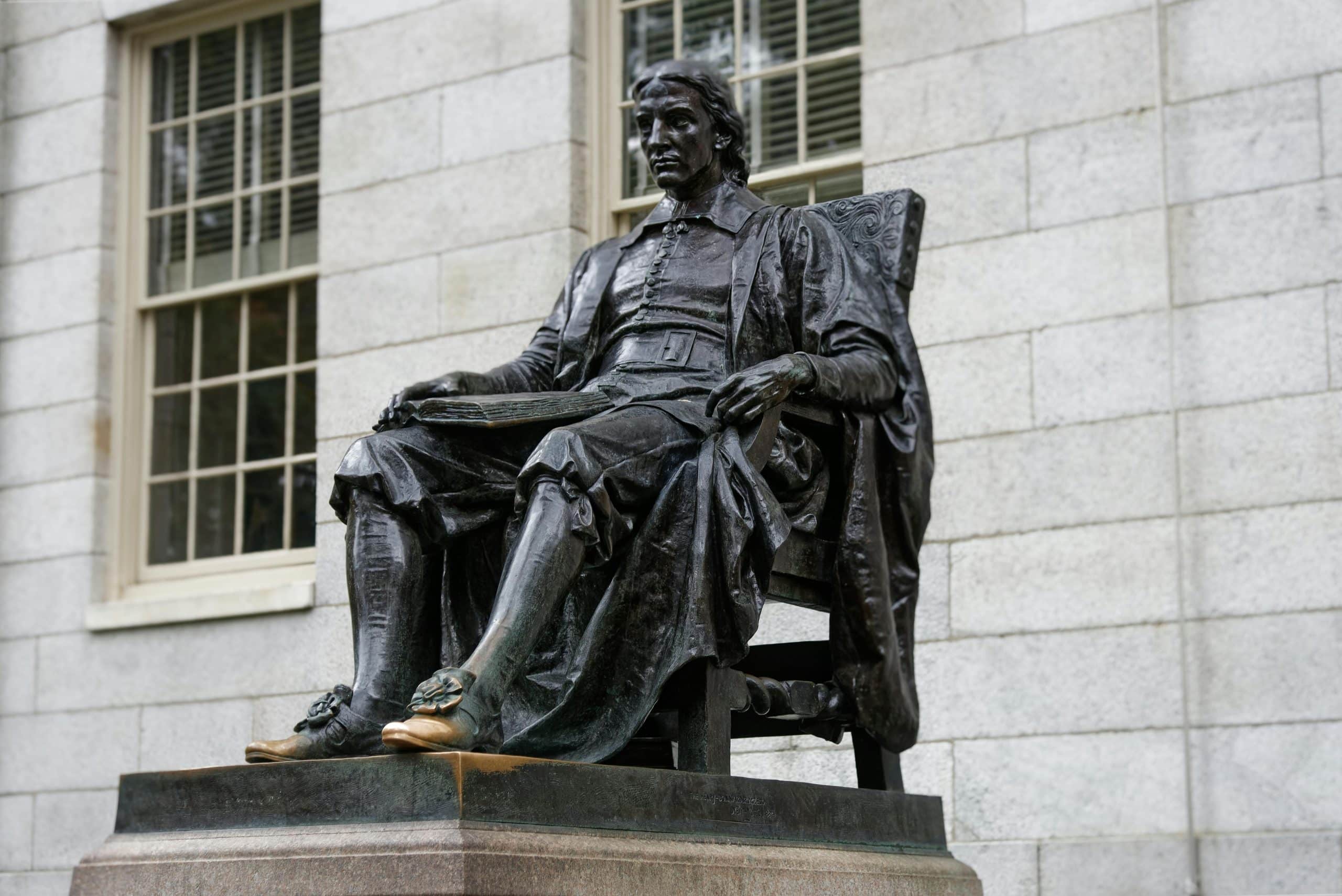
5. Rubbing John Harvard’s foot
You can’t walk through Harvard Yard without seeing someone—student or tourist—rubbing the toe of the John Harvard statue for luck. Especially before a big exam, this simple ritual has become one of Harvard’s most enduring traditions.
Nicknamed the “Statue of Three Lies,” the bronze figure is iconic, even if its backstory isn’t entirely accurate. Erected in 1884, the statue isn’t actually of John Harvard, he wasn’t the university’s founder, and the inscribed founding date is off by two years.
Still, none of that keeps people from viewing it as a symbol of Harvard and its ideals. So next time you walk by, take a moment to spot all three lies—and don’t worry if you pause to rub his toe on your way to a big test. You won’t be the only one.
6. Yardfest
Even at the height of a busy semester, you’ll find an excuse to unwind at Yardfest, Harvard’s annual spring get-together. Held in Tercentenary Theatre, the concert turns the Yard into a full-blown festival with live music, food, and thousands of students gathered on the grass.
While its early days as Springfest in 1994 were met with mixed reviews, a rebrand through the College Events Board helped transform it into one of the must-experience Harvard activities. Since 2006, the stage has welcomed big-name artists like Kid Cudi, Tinashe, and most recently, Grammy-nominated Natasha Bedingfield, who had the crowd singing “Unwritten” in full force.

Two winning student bands from the Battle of Yardfest earlier in the year also traditionally open the night, adding to the excitement. So rain or shine, get ready to sing along, reconnect with friends, and take part in one of Harvard’s most memorable traditions.
7. Brain Break
Late-night studying hits differently when you know there’s a hot snack waiting for you at Annenberg. Brain Breaks may have started as a food service, but it’s become a nightly reset for first-years looking to grab grilled cheese or a quick chat before heading back to the books.
Originally introduced to keep students from trekking off campus in search of food, the break has evolved into more than just a snack stop. Some nights feature Enhanced Brain Breaks with themed treats like mozzarella sticks or churros, along with relaxing activities like painting or bracelet-making.
So if you’re craving a quick bite or a breather, swing by between 9:15 and 11:30 p.m., Sunday through Thursday, for a well-earned pause and maybe even a friend.
8. Quincy House Exorcism
Each Harvard House may bring its own set of quirky traditions, but Quincy takes the cake with its annual Exorcism. What started as a small ritual in 1965 has grown into a full-blown event where residents symbolically banish “evils,” from sixth-floor rats to the perpetually broken washing machine in the basement.
Started by former House Master Charles W. Dunn, the ceremony draws loosely from Gaelic customs as a nod to his Scottish heritage. So don’t be surprised if you hear bagpipes every fall as students in kilts trail robed faculty deans parading Josiah Quincy’s cane across the Yard.
Usually held alongside Field Day, the event is the perfect welcome for new House members looking to tap into community spirit. While the Exorcism is unique to Quincy, it’s just one of many House-specific Harvard traditions you’ll encounter, depending on where you land after Housing Day.
9. Visitas
Before you even enroll, Harvard gives you a chance to experience student life firsthand through Visitas. Held every April, this tradition offers a full weekend campus preview—letting you sit in on classes, attend panels, and even bunk with a current student in one of the 12 houses.
Often referred to informally as “Prefrosh Weekend,” Visitas is a clever play on Harvard’s motto, “Veritas.” While the programming has shifted slightly over time, the goal remains the same: welcoming admitted students, or prefrosh, into the Harvard community.
If you’re signing up, expect a packed two-day visit filled with welcome speeches, meals at Annenberg, and a bustling extracurricular fair. You’ll also find plenty of opportunities to explore campus life and connect with future classmates. It might be your first taste of Harvard tradition—but once you attend, you’ll soon be the one welcoming the next class of Crimsons.

10. Cultural Rhythms
No Harvard tradition brings the campus together quite like Cultural Rhythms. Hosted by the Harvard Foundation, this week-long celebration has been a mainstay since 1985—showcasing the rich diversity of student life through food, fashion, performance, and dialogue.
So whether you’re drawn to the Philippine tinikling in the Final Showcase or eager to try Ghanaian jollof at the Food Fest, Cultural Rhythms invites you to connect, discover, and take part. With over 20 student groups contributing to each year’s theme, there’s no shortage of stories to share, flavors to sample, or traditions to explore.
Events vary annually, but recent highlights include a cultural fashion show, hands-on music labs, and conversations with honorary Artists of the Year such as Viola Davis, Jackie Chan, and most recently, Becky G.
While many programs are free to attend, others require reservations or tickets—so plan ahead and make room for the ones that speak to you most.
Why Harvard Traditions Matter to Your Crimson Experience
Harvard’s traditions may be legendary, but it’s how you make them your own that truly shapes your time on campus. From cheering in the stands at The Game to joining quirky House rituals, these shared experiences create memories that last.
So before skipping out on tradition, think again—you might be passing up some of these great opportunities:
1. Build community and find your place on campus
No matter if you’re bonding over a Brain Break snack or shouting from your window during the Yard Howl, Harvard traditions bring you closer to peers who make campus feel like home. While you may first meet them as classmates or Housemates in the Yard, it’s these shared moments that lay the foundation for friendships that last long after you graduate.
2. Ease your transition and reduce stress
Adjusting to college life at Harvard can feel overwhelming, but traditional Crimson get-togethers offer comfort and familiarity when you need them most. Events like Visitas and Convocation help anchor your early days, making it easier to settle in with fellow frosh. And as the semester ramps up, Yardfest or Primal Scream gives you just the break you need.
3. Create lasting memories and campus identity
It’s totally fine to recharge between classes or stay local over breaks, but skipping out on traditions like The Game or Cultural Rhythms means missing a key part of the Harvard experience.
After all, celebrating in the Yard with Crimsons and sharing meals in Annenberg are what make Harvard so special—the kind of experiences you’ll carry with you long after college.
4. Connect with students across generations and backgrounds
Many Harvard traditions—from Convocation to House-specific ones like the Quincy Exorcism—connect you with Crimsons across classes, cultures, and generations.
Even if you weren’t on campus at the same time, these shared experiences are part of Harvard’s culture that spans decades. So, don’t be surprised if a quick mention of Housing Day to a fellow alum sparks an instant connection.

Frequently Asked Questions
1. What are some of the most famous Harvard traditions?
Harvard traditions like Housing Day, Commencement, and The Game stand out for their history, pride, and energy. These events bring Crimsons together across the Yard and Houses, shaping campus life year after year. So if you’re wondering what makes Harvard so special, its strong spirit and history are exactly what make these traditions so iconic.
2. What are Harvard’s weirdest traditions?
Harvard’s weirdest traditions like joining the Primal Scream during finals or rubbing John Harvard’s foot for luck add a quirky, lighthearted spirit to campus life. They’re a playful way to shake off stress and make your time here feel more personal. Just be sure to join in with care.
3. What do Harvard students do for fun?
Beyond academics, Harvard students find plenty of ways to unwind and connect on campus. From House events and Enhanced Brain Breaks to hundred of student-run clubs and performances, there’s always something happening in the Yard to help you recharge and enjoy life outside the classroom.
4. Are Harvard traditions open to all students?
Yes, most Harvard traditions are open to all students, from first-years to graduating seniors. Big events like Yardfest and The Game bring the whole campus together, while smaller House traditions offer more personal ways to connect. Some events may be specific to certain years or groups, but no matter your background, there’s always something to help you feel right at home in the Harvard community.
Takeaways
If you’re ready to join in and make the most of your experience as a Crimson, here’s what to keep in mind about Harvard’s traditions:
- From Visitas to Housing Day, Harvard traditions ease your transition by offering structure, support, and early ways to connect with fellow frosh.
- Core campus events like The Game, Yardfest, and Cultural Rhythms give life to the Harvard experience, bringing students together through pride, culture, and celebration.
- Quirky traditions like Primal Scream and rubbing John Harvard’s foot for luck add humor to your routine, reminding you that campus life can be fun, weird, and unforgettable.
- Choosing which traditions to join helps you find your people, manage stress, and create memories that last, no matter your background, House, or schedule.
- Want to experience Harvard traditions for yourself? Talking to a college admissions expert can help you strengthen your academic and extracurricular profile, so you can start building your best path toward Harvard.