

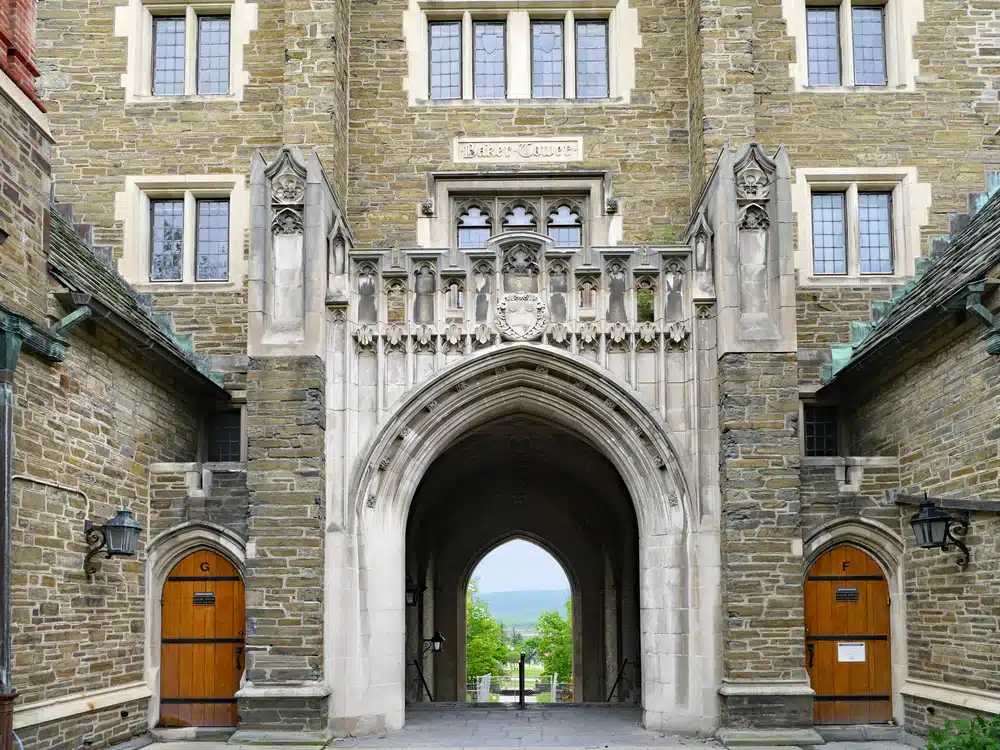
Thinking about attending Cornell University? It’s natural to wonder what life on campus is really like. The university, located in Ithaca, New York, offers a distinct combination of strong academics, cultural diversity, and social opportunities.
Let’s walk you through everything you need to know about the Cornell University campus life, from student organizations to diversity statistics and what makes this Ivy League school stand out.
- Stunning Natural Setting
- State-of-the-Art Facilities
- Student Activities
- Diverse and Inclusive Environment
- Frequently Asked Questions
- Takeaways
Stunning Natural Setting
Cornell University’s campus life is heavily influenced by its natural beauty. Cornell’s campus spans 745 acres and is perched on a hill overlooking the town of Ithaca and Cayuga Lake. But there’s more to it than just the beautiful lake—Cornell’s campus itself is filled with natural beauty, including gorges, waterfalls, gardens, and wooded trails.
Gorges and waterfalls
One of the things that makes Cornell University’s campus life stand out is its dramatic landscape. The famous phrase “Ithaca is Gorges” really rings true when you’re walking across campus. Cascadilla Gorge and Fall Creek Gorge carve through the campus, with waterfalls cascading right alongside the walkways and bridges. Imagine how cool it is to walk to your next class and catch a glimpse of a waterfall on your way.
Cascadilla Gorge Trail, which runs between campus and downtown Ithaca, is a popular spot for students who want to take a break and enjoy the outdoors. It’s an easy hike, but the views are anything but ordinary. The trail takes you past multiple waterfalls and rock formations, and it’s a great way to de-stress when campus life gets hectic.

Similarly, Fall Creek Gorge runs near the north end of campus and has equally stunning views, with a suspension bridge that gives you a full panorama of the gorge below. It’s the kind of place where you can feel like you’re far away from the grind, even though you’re just a short walk from your dorm or class.
Cornell Botanic Gardens
If you’re someone who enjoys peaceful, green spaces, the Cornell Botanic Gardens are going to be one of your favorite spots. Spanning over 4,000 acres, these gardens are actually an outdoor classroom, research center, and a place to unwind all in one.
You’ll find everything from native plants to herb gardens, and walking through the different sections can feel like a mini escape from the hustle of Cornell University’s campus life. There are curated collections of trees, shrubs, and flowers, as well as ponds and meadows that give you a taste of the local ecosystem.
The gardens also play a huge role in sustainability education and research. You might take a class there, work on a project, or just hang out on a sunny day. The trails that wind through the gardens are perfect for a casual stroll, and they offer a peaceful spot to clear your head between lectures or late-night study sessions. The Fall Creek Natural Area, which is part of the Botanic Gardens, features trails and scenic spots for studying or just soaking in the beauty.
Miles of trails
Love hiking or just going for a walk to clear your mind? Cornell University’s campus life is crisscrossed with trails that connect you to nature without ever having to leave university grounds. In fact, some of the best trails in the area are right here on campus.
The Sapsucker Woods Trail, located near the Cornell Lab of Ornithology, is a favorite for birdwatchers and nature enthusiasts. This 230-acre sanctuary has winding trails, boardwalks, and even observation platforms, which makes it an ideal spot to recharge and get a closer look at wildlife.

If you’re looking for something a bit more adventurous, you can head to the nearby Ithaca area for more hiking opportunities. The Finger Lakes Trail and Buttermilk Falls State Park are just a short drive away, which give you access to even more scenic waterfalls, cliffs, and dense forests. But for those who don’t want to venture too far from campus, the Cornell Botanic Gardens and Beebe Lake Loop offer plenty of opportunities for a quick hike or a relaxing walk.
Lake views and sunsets
Another feature that sets Cornell University’s campus life apart is its sweeping views of Cayuga Lake. Since the campus sits on a hill, you get some incredible vantage points, especially when the weather is clear. For those days when the stress of classes gets too much, a quick walk to a lookout point or a bench with a view of the lake can work wonders for your mindset.
One of the best places to catch a sunset is Libe Slope, a grassy hill on the western edge of campus. As the sun dips down, it lights up Cayuga Lake and the surrounding hills in shades of pink, orange, and purple. Libe Slope is also the site of one of Cornell’s oldest traditions, Slope Day, where students gather every year for a big outdoor celebration at the end of the spring semester. But even on a regular day, it’s a perfect spot to relax and take in the scenery.
Let’s face it: college can get stressful, and it’s easy to feel overwhelmed. Being able to take a break from your studies and step right into nature makes a big difference in your daily life. From walking between classes and hearing the sound of a waterfall to spending your weekend hiking around campus, Cornell University’s campus life is a built-in escape from the pressures of school. It’s like having your own personal retreat right outside your door.
State-of-the-Art Facilities
The beautiful natural surroundings probably come to mind first when thinking about what Cornell University is known for, but the university’s campus life is also packed with some pretty impressive, high-tech facilities. From getting into research to just looking for a great study spot, Cornell’s resources are built to support you in every way.
Libraries and study hubs
Cornell University’s campus life includes access to some of the most extensive libraries and study spaces you’ll find. With over 8 million volumes across 20 different libraries, you’ll never run out of resources.

Uris Library, one of the oldest, is perfect if you’re looking for a quiet, traditional study space with that classic Ivy League feel. On the flip side, Olin Library is more modern and great for group work. It offers lots of digital resources to help you get through those late-night study sessions.
If you’re into agriculture or life sciences, Mann Library is your go-to spot. It has a focus on agriculture, human ecology, and life sciences, which makes it ideal for students in those fields. Plus, you’ll find tons of data resources to help with your research.
And let’s not forget the Law Library. If you’re studying law, you’ll have access to one of the best collections of legal texts around. There’s also the Rare and Manuscript Collection in the Carl A. Kroch Library for those of you working on projects that require access to some really unique historical documents. Whether you’re writing a paper, cramming for an exam, or doing in-depth research, Cornell’s libraries have you covered.
Bill and Melinda Gates Hall
One of the most exciting buildings on campus is Bill and Melinda Gates Hall, home to the Computing and Information Science (CIS) department. Opened in 2014, it’s one of Cornell’s newest and most modern buildings.
Inside, it’s all about technology and innovation: think research labs, collaborative workspaces, and tons of resources for students working in fields like artificial intelligence, robotics, and data science. It’s a space designed for teamwork, so you’ll often see students huddled over projects, working with professors, or attending guest lectures in the massive auditorium.
Gates Hall has plenty of spots where you can stop by to study or work on any kind of project, so it’s not just for computer science majors. If you’re into coding or tech, this is where the magic happens.
Research labs and centers
Cornell is big on research, and it shows. The university gets over $1 billion in research funding, and there are labs and centers all over campus for students to get into hands-on projects. For example, the Life Sciences Building is a hot spot for biology and molecular genetics research, where students work on everything from medical innovations to environmental solutions.
If you’re into engineering, Duffield Hall is where it’s at. It’s one of the top nanotechnology research centers in the country, and if you’re interested in cutting-edge science like semiconductor devices and photonics, this place will blow your mind.
Cornell also has CHESS, which stands for Cornell High Energy Synchrotron Source. This facility supports research in areas like materials science and physics. It’s a national treasure in the world of X-ray research, and having it right on campus means students can get into some seriously high-level work
Student Activities
Cornell’s student life is incredibly diverse, with something for everyone. If you’re interested in Greek life, academic clubs, or the arts, Cornell University’s campus life provides you with endless opportunities to get involved.

Over 1,000 student organizations
There are more than 1,000 student-run organizations on campus, which cover interests as varied as debate, dance, entrepreneurship, and even beekeeping. These clubs provide a social outlet and help you build networks and leadership skills.
Here’s a quick look at some of the most popular clubs at Cornell:
- WVBR-FM (Cornell Radio). Cornell’s student-run radio station, WVBR, is a favorite among media enthusiasts. The station broadcasts a variety of music, talk shows, and sports programs.
- The Cornell Daily Sun. One of the oldest independent college newspapers in the country, The Cornell Daily Sun has been publishing since 1880.
- Cornell International Affairs Society (CIAS). This organization brings together students who are passionate about global politics, diplomacy, and international relations.
- Cornell Beekeeping Club. This club is all about promoting the health of bees and educating students on the importance of beekeeping in agriculture. Members get hands-on experience managing bee colonies and even producing honey.
- Big Red Marching Band. If you’re musically inclined, Cornell’s Big Red Marching Band is the largest student organization on campus. They perform at all major athletic events and pep rallies, creating a lively and energetic atmosphere at games.
- Cornell Outing Club. Love the outdoors? This club organizes hiking, camping, climbing, and canoeing trips for students throughout the academic year.
These are just a few of the many clubs and organizations you can join at Cornell. If you want to pursue a passion or explore something completely new, there’s a student organization for every interest and hobby.
Greek life
Greek life is a major part of Cornell University’s campus life, with around one-third of undergraduates involved in fraternities and sororities. Cornell hosts more than 60 Greek organizations, which range from social fraternities to academic and service-based groups. While participation in Greek life isn’t mandatory, it does offer a strong social network and many opportunities for leadership and philanthropy.

Cornell’s Greek system is one of the most diverse you’ll find, with over 30 fraternities, 20 sororities, and other multicultural and service-based options. These organizations are divided into three main councils: the Interfraternity Council (IFC), the Panhellenic Council (PHC), and the Multicultural Greek and Fraternal Council (MGFC). Each council has a different vibe, so there’s something for everyone.
- IFC oversees traditional social fraternities. These groups host social events, formals, and charity fundraisers. If you’re looking for a classic fraternity experience, IFC’s got you covered.
- PHC is in charge of sororities, where sisterhood, leadership, and community service are key. They organize social events and do a lot of charity work, especially during big events like Greek Week.
- MGFC focuses on multicultural fraternities and sororities. These groups highlight cultural awareness, academic success, and community involvement. If you’re looking to connect with others from similar backgrounds or want to celebrate diversity, MGFC is your go-to.
While Greek life has a lot to offer, like great friendships, leadership roles, philanthropy, and social events, it’s not for everyone, and that’s totally okay. Cornell has tons of other ways to get involved on campus if Greek life isn’t your thing.
Diverse and Inclusive Environment
One of the reasons why Cornell is considered a good school is its commitment to diversity. The university prides itself on promoting an inclusive environment where students from all backgrounds feel welcome.
Cornell diversity statistics
Cornell’s diversity statistics show that 59% of undergraduates identify as students of color. This statistic includes a large population of Asian-American students, making up around 18% of the undergraduate population, followed by Hispanic/Latino students at 11%, and Black or African American students at about 6%.
Cornell also has a small but significant population of students who identify as two or more races, making up around 4% of the undergraduate population. Additionally, students who identify as American Indian/Native American or Native Hawaiian/Pacific Islander make up around 0.36% of the student body.

International students make up a significant part of the student population, making up around 11% of undergraduates. They come from more than 120 different countries, which really adds to the global vibe on campus. No matter if you’re from a tiny town in the U.S. or from the other side of the globe, Cornell provides a community that showcases diverse cultures, economic backgrounds, and locations.
Beyond racial and ethnic diversity, Cornell also values gender diversity, with a nearly balanced undergraduate gender ratio of 54% female and 46% male. This blend of perspectives and experiences creates an inclusive environment where students can engage in meaningful discussions and broaden their worldview.
Cultural organizations and support
Cornell’s commitment to diversity is reflected in the wide range of cultural organizations on campus. These groups offer a sense of community and support, which makes Cornell University’s campus life easier to adjust to for students from all backgrounds. Here are a few examples of the cultural organizations you can join:
- Black Students United (BSU). BSU focuses on supporting the Black student community through events, discussions, and advocacy.
- La Asociación Latina (LAL). If you’re looking to connect with the Latinx community, LAL organizes events like Latino Heritage Month and works to promote Latinx culture and issues on campus.
- Asian Pacific Islander American Students Union (APASU). APASU celebrates Asian and Pacific Islander cultures and works to raise awareness about issues affecting these communities.
- Cornell Women of Color Coalition (WCC). WCC creates a supportive space for women of color, offering mentorship, workshops, and discussions to empower members and tackle challenges that affect them.
- Native American Indigenous Students at Cornell (NAISAC). NAISAC celebrates Indigenous culture and raises awareness about Indigenous rights. They host events like Indigenous Peoples’ Day and create a strong community for Native American students.
Cornell also has resources like the Office of Academic Diversity Initiatives (OADI), which helps students from underrepresented backgrounds manage academic life. If you need help with classes, figuring out your major, or just general support, OADI has your back. Plus, they offer workshops and mentoring programs that help you get ahead.
Cornell is a place where you can get into your studies while also exploring everything from student organizations to the beautiful outdoors. It’s a campus full of opportunities to meet new people, find your community, and try out new things. Whether you’re looking for a social scene, cultural groups, or a quiet spot to study with a view, Cornell has something for everyone. With all the diversity and resources at your fingertips, it’s a place where you can really grow and make your time there count.

Frequently Asked Questions
1. What is Cornell University known for?
What Cornell University is known for is its strong academic programs, especially in engineering, agriculture, business, and hospitality. It’s also recognized for its hands-on research opportunities and interdisciplinary approach, which allow students to explore various fields. Beyond academics, Cornell stands out for its beautiful natural setting, vibrant student life, and diverse community.
2. Is Cornell a good school?
Yes, Cornell is considered a good school academically and also for its campus life and community. Cornell University offers a combination of strong academics and a vibrant campus life, which provide students with many opportunities to grow, network, and succeed.
3. What is life like on the Cornell University campus?
Campus life at Cornell University is a balance of rigorous academics and exciting social opportunities. With over 1,000 student-run organizations, including clubs for everything from debate and dance to entrepreneurship, there’s always something to get involved in. Cornell University’s campus life is also known for its gorges, waterfalls, and hiking trails.
4. What are the diversity statistics of Cornell?
Cornell’s diversity statistics show that 59% of undergraduates identify as students of color. This includes approximately 18% Asian-American students, 11% Hispanic/Latino students, and 6% Black or African American students. Additionally, around 11% of undergrads are international students, coming from over 120 countries.
Takeaways
- Cornell University’s campus life strikes a balance between strong academics and social activities. With over 1,000 student organizations, there’s definitely something for you.
- The natural setting is a huge part of Cornell University’s campus life. From gorges and waterfalls to hiking trails right on campus, it’s the perfect escape when you need a break from the books.
- With 59% of undergrads identifying as students of color and 11% international students, you’re surrounded by people from all over the world, which makes for an inclusive and vibrant community.
- Cornell has some seriously impressive facilities. From studying in one of the massive libraries to working on a research project in state-of-the-art labs, Cornell University’s campus life gives you everything you need.
- Excited to join Cornell University’s campus life but worried you won’t get in? At AdmissionSight, we specialize in guiding students through every step of the admissions process. Let a college admissions consultant help you secure a spot at top schools like Cornell.










