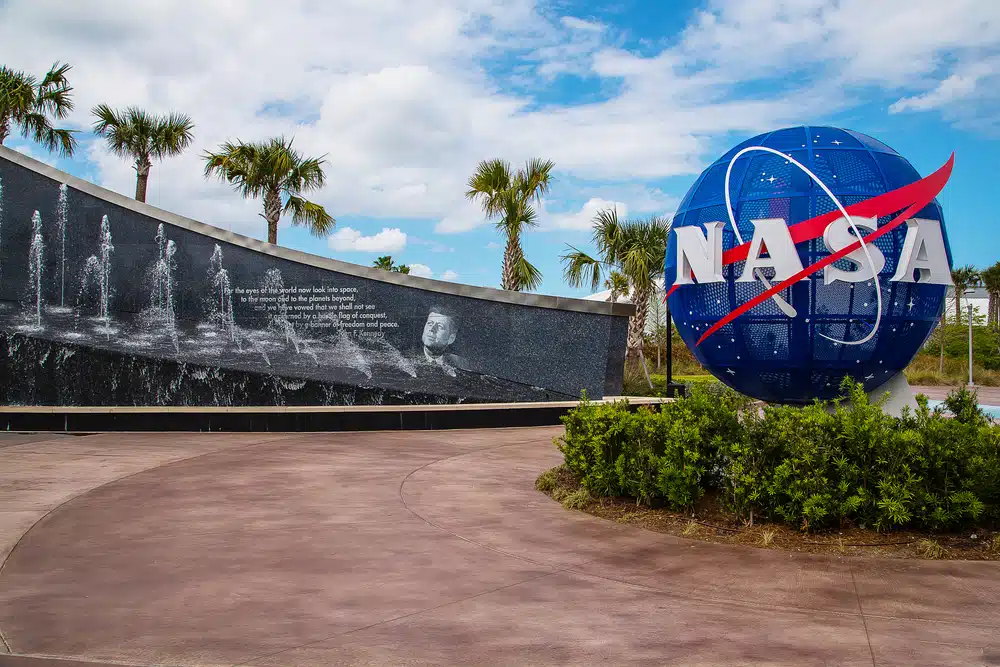
Getting into a top university takes more than just good grades—you need a college application that stands out. One awesome way to do that is by snagging one of those NASA internships for high school students. You’ll get to work on tech-focused projects and give your resume a serious boost. Plus, who wouldn’t want NASA on their college application?
In this blog, we name NASA internships for high school students that you can look into and consider if you are looking for internships to add to your resume. We’ll also briefly discuss how to get an internship at NASA.
- 5 High School Internships at NASA
- Are NASA Internships for High School Students Better Than Any Other Extracurriculars?
- 5 STEM-Related Internships for High School Students
- How to Maximize Your Internships
- Frequently Asked Questions
- Takeaways
5 High School Internships at NASA
An internship like this shows your commitment to your field and puts you ahead of the competition. You’ll have the chance to connect with NASA professionals and build a network that could help you in the future. In short, a NASA internship can open up incredible opportunities for your career.
1. NASA’s Office of STEM Engagements (OSTEM) Internships
- Program Dates: Summer 2025 and Fall 2025
- Application Deadlines:
- Summer 2025: Oct. 25, 2024 (Early Decision); Feb. 28, 2025 (Final)
- Fall 2025: May 16, 2025
- Eligibility:
- US Citizen
- Minimum 3.0 GPA (on a 4.0 scale)
- At least 16 years old
- Full-time high school or graduate students or part-time college students with a minimum of 6 enrolled semester hours
- Location: Online and in-person (varies on the type of internship)
- Cost: Free
NASA’s OSTEM Internships give you a chance to work on real projects with experienced mentors at the agency. You’ll gain hands-on experience and learn directly from professionals in fields like engineering, aeronautics, or even space microbiology.

With so many options available, you can explore internships that match your interests—just be sure to check which ones are open to high school students. Here are a few examples of available positions at NASA under the OSTEM Internship that high school students can apply to:
- Materials Processing for Space Nuclear Propulsion
- ESEA – Equity Strategies for Emerging Aviation
- The PolCube CubeSat polarimeter
2. NASA Pathways Internships
- Program Dates: Summer 2025 and Fall 2025
- Application Deadlines: Undisclosed
- Eligibility:
- US Citizen
- Minimum 2.9 GPA (on a 4.0 scale)
- At least 16 years old
- Location: Various NASA centers
- Cost: Free
One of the most popular NASA internships for high school students is the Pathways Internship Program. It’s designed to help you build a long-term career at NASA while gaining real-world experience over multiple semesters. The best part? This program can lead to a full-time job at NASA after graduation.
NASA is looking for students who are passionate about exploration, teamwork, and learning, with a willingness to grow. Unlike other NASA internships for high school students, you don’t need previous experience—just curiosity and a drive to contribute.

During the selection process, they’ll look at skills like teamwork, attention to detail, and flexibility, as well as formal qualifications like your GPA, extracurriculars, and recommendation letters. So, be sure to focus on those aspects of your application too!
Throughout the internship, you’ll have the chance to tailor your experience with an “Individual Development Plan,” which allows you to pick assignments, training, and learning opportunities that match your career goals.
3. NASA Johnson Space Center’s High School Aerospace Scholars (HAS) Program
- Program Dates: October 30, 2023 – March 28, 2024 (Online Course)
- Application Deadlines: October 19, 2023
- Eligibility: Junior high school students
- Location: Virtual and in-person (in-person component is at the NASA Johnson Space Center in Houston Texas)
- Cost: Free
The High School Aerospace Scholars (HAS) program gives Texas high school juniors the chance to dive into NASA’s missions and explore STEM fields. Like other NASA internships for high school students, it’s a year-long experience, starting with a four-month online course in the fall that covers topics like space exploration, Earth science, technology, and aeronautics.

If you’re one of the top students at your school, you could be invited to a five-day virtual summer experience called “Moonshot.” Here, you’ll team up with NASA scientists and engineers to plan a mission to the Moon and Mars as part of the Artemis program. The best teams from this virtual event will then get the chance to attend a two-day, in-person event at NASA’s Johnson Space Center in Houston.
HAS is a great way to immerse yourself in NASA’s work and be a part of the next generation of explorers!
4. NASA SEES High School Summer Intern Program (A Partnership with UT Austin)
- Program Dates:
- July 7, 2024 – July 20, 2024 (on-site internship for Grade 11)
- July 27, 2024 – August 4, 2024 (on-site internship for Grade 10)
- Application Deadlines: February 24, 2024
- Eligibility: 10th and 11th graders
- Location: Online and on-site (on-site portion is in UT Austin)
- Cost: Free
The NASA and University of Texas at Austin Center for Space Research (CSR) Summer Intern Program is a competitive STEM opportunity for high schoolers. If you’re selected, you’ll get hands-on experience in Earth and space research, interpreting NASA satellite data and working with scientists and engineers in your chosen field. Unlike other NASA internships for high school students, this program is one of the few with a university partnership.

At UT/CSR, you’ll be working on NASA-supported projects related to astronomy, remote sensing, and space geodetic techniques to better understand Earth’s systems, natural hazards, and climate science. Plus, you’ll have access to experts in engineering, astronomy, and planetary science. This summer program also includes distance learning modules, where you’ll be guided by NASA-affiliated mentors—giving you a unique opportunity to explore STEM fields in a hands-on way.
5. NASA DEVELOP
- Program Dates:
- Fall 2024 (Sept 16 – Nov 22, 2024)
- Spring 2025 (Jan 27 – April 4, 2025)
- Summer 2025 (June 2 – Aug 8, 2025)
- Fall 2025 (Sept 15 – Nov 21, 2025)
- Application Dates:
- Fall 2024: May 6 – Jun 14, 2024
- Spring 2025: Aug 26 – Oct 4, 2024
- Summer 2025: Jan 13 – Feb 21, 2025
- Fall 2025: May 5 – Jun 13, 202
- Eligibility:
- At least 18 years old
- US Citizens (for in-person attendees)
- 3.0 GPA (on a 4.0 scale)
- In-person attendees should provide their own transportation
- Location: Online and on-site
- Cost: Free
DEVELOP is a unique opportunity that shows how NASA’s Earth observation data can help solve real-world problems. You’ll join a team of 4-5 people from diverse backgrounds and work on a research project using geospatial data to tackle challenges in areas like agriculture, conservation, urban development, energy, or water resources. Unlike other NASA internships for high school students, this one lets you collaborate directly in teams.
With support from a mentor, your team will partner with organizations like federal agencies or non-profits and use your research to help them make better decisions. This program is perfect for gaining hands-on experience and sharpening your research skills, but it’s also pretty competitive—it’s open to graduates and professionals too, so you’ll need a strong application to stand out.

If selected, you’ll kick off by reviewing the literature to understand the scope of your project and the relevant NASA remote-sensing data. You’ll then collaborate with organizations that need better decision-making tools, using GIS and remote-sensing data to work on applied research projects. By the end, your team will put together a presentation, a technical report, and creative materials to showcase your findings.
Are NASA Internships for High School Students Better Than Any Other Extracurriculars?
High school internships can be a great boost to your college application, but whether they’re “better” than other extracurriculars really depends on your personal goals, interests, and the overall strength of your application.
Here’s why internships, including NASA internships for high school students, can help you stand out:
- Real-world experience. Internships give you hands-on experience in a field you’re passionate about. Colleges love to see that you’ve taken the initiative to explore your future career path.
- Networking and mentorship. Internships at places like NASA mean you’ll be working with top professionals, which could lead to mentorships and valuable references—both of which can strengthen your college application.
- Skill-building. NASA internships for high school students help you develop practical skills like teamwork, communication, problem-solving, and time management, all of which look great to admissions officers.
- Shows commitment. An internship related to your field of interest shows that you’re serious about your future and willing to go beyond the classroom to learn.
In the end, it’s all about how well these experiences align with your goals and how they add value to your overall application.
However, NASA internships for high school students aren’t necessarily better than other extracurriculars. It depends on how well they align with your goals. For example:
- Passion projects. Colleges value passion, so if you’re deeply involved in a hobby, community service, or club and have demonstrated leadership or dedication, that can be equally impressive.
- Well-roundedness. Colleges often look for students who are well-rounded. Balancing different types of extracurriculars like sports, arts, volunteering, or academic clubs can show your versatility.
Ultimately, the key is how any extracurricular, including internships, reflects your interests, dedication, and personal growth. It’s about the story they help you tell in your application!
5 STEM-Related Internships for High School Students
Getting into NASA internships for high school students takes a lot of work. Admissions are often competitive, with most at around a 7% acceptance rate. When you do not have the correct qualifications, your chances of getting in are scarce or unlikely.
That said, your dream of interning at a STEM-related agency or organization shouldn’t end there. There are plenty of options that you can explore. Here are five non-NASA STEM-related internships for high school students you might want to take a look at:
1. Simons Summer Research Program (Stony Brook University)
This program lets high school students conduct hands-on research in a variety of STEM fields, such as biology, chemistry, physics, and engineering. Students work under the guidance of faculty mentors at Stony Brook University and work on intensive research. Ultimately, the goal is to present their findings in a written report.
2. Google Computer Science Summer Institute (CSSI)
CSSI is designed for high school seniors with an interest in computer science and programming. Participants engage in a three-week introduction to computer science, coding, and problem-solving, led by Google engineers. This program provides an opportunity to gain experience in programming languages and explore careers in tech.
3. Stanford Pre-Collegiate Institutes
This program gives high schoolers the chance to dive into advanced STEM courses like math, artificial intelligence, and biosciences. It’s hands-on, emphasizing collaboration, problem-solving, and real-world applications of STEM principles, all while working alongside Stanford faculty and peers. Much like NASA internships for high school students, this program connects you with professionals from the STEM field as it offers a unique opportunity to learn and grow.
4. Research Science Institute (RSI) at MIT
Hosted at MIT, RSI is a prestigious summer program where high school students get to dive into original STEM research. Participants take on challenging science and engineering projects, work alongside professional researchers, and attend seminars. Just like NASA internships for high school students, RSI allows you to work on real-world research and gain valuable experience. The program wraps up with students presenting their research papers, where they can showcase all they’ve learned.

5. Oak Ridge National Laboratory (ORNL) Science Education and Internship Programs
ORNL offers high school students the opportunity to work on real-world projects in areas such as energy production, environmental sciences, and materials research. Participants work with researchers at the lab and then gain hands-on experience in cutting-edge STEM fields while contributing to national research initiatives.
How to Maximize Your Internships
To maximize your internships, especially in STEM fields, follow these strategies:
1. Set clear goals.
Before starting your internship, outline what you want to achieve. Whether it’s gaining new skills, building a professional network, or exploring potential career paths, having clear goals helps you stay focused and make the most of the experience.
2. Be proactive and take initiative.
Don’t just wait for tasks—look for opportunities to contribute beyond your assigned duties. Ask your supervisor if there are additional projects you can help with or new skills you can learn. This will demonstrate your enthusiasm and show that you’re eager to grow.
3. Ask questions and seek feedback.
Use your time in NASA internships for high school students to learn as much as possible. Don’t hesitate to ask questions if something is unclear or if you want to understand more about a process. Regularly ask for feedback from mentors and supervisors to improve your performance and grow professionally.
4. Build relationships and network.
Internships are a great chance to meet professionals in your field. Take time to build relationships with your colleagues and mentors. Networking can open doors for future opportunities, including jobs, research projects, and further internships. Stay connected even after your internship ends.
5. Keep a record of your work.
Document your achievements, projects, and any new skills or tools you learn during your internship. Keeping a portfolio or detailed record will help you highlight these experiences in your resume and college applications, showing that you gained tangible skills and accomplishments.
6. Participate in and contribute to team efforts.
Engage with your team, contribute to group projects, and offer your ideas when appropriate. Collaboration shows that you can work well with others and are a valuable team player, which is a crucial skill in any field.
7. Stay open to learning new skills.
Be flexible and open to learning things outside your comfort zone. NASA internships for high school students are meant to be learning experiences, so embrace the opportunity to explore new areas, whether it’s coding, data analysis, or technical writing.
8. Request a recommendation.
If you’ve performed well, don’t hesitate to ask for a letter of recommendation from your mentor or supervisor. A strong recommendation can be valuable for future job applications, internships, or college admissions.
9. follow up after your internship.
Stay in touch with the people you worked with, whether through LinkedIn or occasional emails. This keeps your connections strong and may lead to more opportunities in the future.
Frequently Asked Questions
1. How competitive are NASA internships?
NASA internships are highly competitive due to the large number of applicants, intensive academic requirements, and the unique opportunity to work on real-world projects with top scientists and engineers. Applicants with strong STEM backgrounds, relevant experience, and a tailored application have a better chance of being selected.
2. What is the NASA internship acceptance rate?
NASA internships for high school students are extremely competitive, with an estimated acceptance rate of around 7%. This low NASA internship acceptance rate is due to the high number of applicants and the limited number of available spots, as many students are eager to gain hands-on experience working on NASA’s cutting-edge projects.
3. Do NASA only have STEM-related internships?
No, NASA internships are not limited to STEM-related fields. While the majority of their internships focus on science, technology, engineering, and mathematics, NASA also offers internships in areas like business, public affairs, accounting, finance, human resources, communications, and law. These roles support NASA’s broader mission and provide opportunities for students with non-STEM backgrounds to contribute to the agency’s goals.
For example, NASA Pathways and other internship programs offer positions in areas such as business administration, public relations, and finance, allowing students to explore diverse career paths while working in an exciting environment.
Takeaways
NASA internships for high school students are often good enough to make your list of extracurriculars impressive to college admissions officers. They are enough to show them you have the academic chops and dedication to join their university or college.
- NASA internships for high school students are extremely competitive, with an estimated acceptance rate of around 7%.
- NASA internships are not limited to STEM-related fields. While the majority of their internships focus on science, technology, engineering, and mathematics, NASA also offers internships in areas like business, public affairs, accounting, finance, human resources, communications, and law.
- If you have a passion for STEM and want to experience the NASA experience, you will have to prepare your credentials to ensure a higher chance of landing a NASA internship. Talk to a college admissions expert to help you plan your way to your dream high school internship.