When applying to the University of Southern California (USC), your high school activities play a major role in admissions because they highlight the foundation for the USC extracurriculars you may pursue once on campus. Admissions officers review your involvement in clubs, sports, volunteer work, and leadership roles to understand your passions and the impact you could make at USC.
These experiences show how you’ve grown outside the classroom and help prove that you’re ready to contribute to the Trojan community, which is especially important given USC’s highly selective admissions process.
Once admitted, those same strengths will prepare you to thrive in USC extracurriculars ranging from student organizations and research groups to cultural clubs and athletic teams. With more than 800 organizations available, USC offers opportunities to continue the leadership, creativity, and service you started in high school.
- USC Extracurriculars to Choose From
- How to Choose the Right USC Extracurriculars
- How to Get Involved in USC Extracurricular Activities
- Frequently Asked Questions
- Takeaways
USC Extracurriculars to Choose From
Once admitted to USC, extracurriculars become a defining part of your Trojan journey. Certain groups stand out for the skills, connections, and experiences they provide, helping you grow as a leader, artist, innovator, or athlete. Here are some USC extracurriculars to consider joining:
Academic and professional organizations
For students with an interest in business, finance, or entrepreneurship, USC’s consulting and business organizations offer hands-on experience in strategy, problem-solving, and networking.
Members often work on real-world projects for companies or nonprofits, compete in national case competitions, and gain access to professional mentorship. These clubs are highly competitive, but they can accelerate your career readiness if you manage your time well.
Some of those you may consider include:
- Trojan Consulting Group (TCG). TCG provides students with the chance to advise companies and startups on business strategies, marketing plans, and operational challenges. Members receive training in consulting frameworks and present findings to real clients.
- Accounting Society. One of USC’s most active professional groups, the Accounting Society connects students with top accounting firms, organizes résumé workshops, and hosts networking events that prepare members for internships and full-time roles in accounting and finance.
- USC Entrepreneur Club. Connects aspiring entrepreneurs with resources, investors, and incubators. Members often pitch startups, attend workshops, and collaborate with peers across disciplines to bring ideas to life.
Tech and engineering organizations
Students interested in computer science, engineering, and innovation will find no shortage of opportunities at USC. These groups help members build technical skills, work on research-driven projects, and connect with tech leaders in Los Angeles and Silicon Valley.
Explore the following organizations:
- Association for Computing Machinery (ACM) at USC. One of the largest tech-focused student groups on campus, ACM provides students with hands-on experience in coding, software development, and industry networking. The club organizes events such as Industry Night and TrojanHacks.
- USC Makers. Makers is a community of student engineers and creators who design projects ranging from robotics and drones to software applications.
- Women in Engineering (WiE). A supportive community for female-identifying students in STEM fields, WiE hosts mentorship programs, career panels, and workshops while promoting diversity and inclusion in engineering.

Arts and performance groups
For students with creative passions, USC’s arts scene is a thriving ecosystem. Whether you’re performing on stage, joining a music ensemble, or participating in film productions, these USC extracurriculars offer an outlet to showcase talent and creativity.
Highlights include:
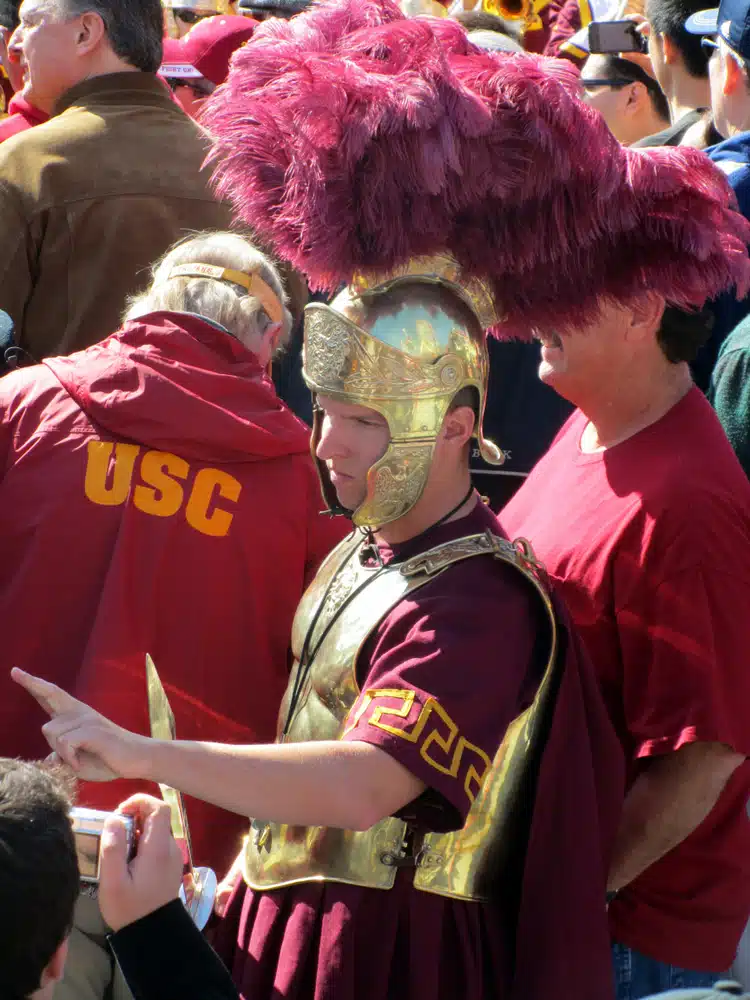
- USC Song Leaders. USC Song Leaders are an iconic part of Trojan spirit, performing with the Trojan Marching Band at football games, rallies, and university events. Members benefit from high-profile performance opportunities, advanced dance and athletic training, and the honor of serving as ambassadors for USC at both campus and national events.
- Brand New Theatre. A student-run theater group that produces original student-written plays, offering opportunities in acting, directing, stage management, and design. Students gain hands-on theater experience, creative freedom, and the chance to debut original work in a supportive artistic community.
- USC Cinematic Arts. Provides a platform for aspiring filmmakers to collaborate, screen projects, and participate in festivals. Members benefit from peer networking, industry exposure, and opportunities to showcase films both on campus and in external competitions.
Service and volunteer organizations
Community service is at the heart of USC’s mission. These organizations allow students to engage with Los Angeles communities, address social issues, and advocate for change. Many students highlight service clubs as their most rewarding USC extracurricular activities.
Groups include:
- USC Helenes. Known as the official hostesses of USC, the Helenes are dedicated to service, spirit, and sisterhood. Members gain lifelong friendships, leadership opportunities, and experience organizing philanthropic events tied to USC traditions.
- USC Flying Samaritans. The Flying Samaritans is a student-run volunteer organization that provides free medical care to underserved communities in Baja California, Mexico. Members participate in monthly clinic trips, assisting doctors and nurses with patient intake, vitals, and care delivery. Participation is especially valuable for pre-med, nursing, and public health students looking to combine service with hands-on learning.
- Marshalls Gives Back (MGB). MGB is a student-run organization within the USC Marshall School of Business that focuses on philanthropy and community engagement. Members organize service events, fundraisers, and awareness campaigns to support local nonprofits and global causes. Students benefit by building leadership skills, strengthening connections within the Marshall community, and applying business knowledge to create meaningful social impact.
Sports and athletics
Athletics are deeply woven into USC’s identity. From competitive sports to recreational activities, students can stay active while connecting with peers and building school spirit.
Opportunities include:
- USC Athletics. USC is home to powerhouse teams in football, basketball, swimming, water polo, and track & field. Varsity athletes benefit from elite training, scholarships, and national exposure.
- Club sports. Options like rugby, ultimate frisbee, or lacrosse provide competition without the full varsity commitment. Students enjoy structured play, regional competition, and camaraderie within their sport of choice.
- Intramural sports. Casual leagues for soccer, volleyball, and basketball allow students to stay active and meet friends in a fun, low-pressure environment. Participants benefit from stress relief, fitness, and social connections.
How to Choose the Right USC Extracurriculars
USC admissions officers prefer students who show commitment and leadership in a few meaningful areas rather than spreading themselves too thin. Here’s how to approach your involvement strategically:

1. Align with your passions.
The best extracurriculars are those that connect to your genuine interests. If you’re applying to USC as a film major, joining media clubs, producing student projects, or participating in a film society will strengthen your application by showing alignment between your academic goals and your activities.
For pre-med students, volunteering with groups like Flying Samaritans or health-related service organizations demonstrates a clear passion for medicine. Choosing activities you actually care about makes it easier to stay committed and excel over time.
2. Pursue leadership roles.
USC admissions places a high value on students who take initiative and step into leadership. It’s not enough to just be a member of a club—showing that you served as president, team captain, treasurer, or event chair illustrates that you can handle responsibility and motivate others.
Leadership in student organizations also allows you to develop transferable skills such as communication, organization, and problem-solving, all of which USC expects its students to bring to campus.
3. Think about long-term growth.
One of the smartest ways to approach USC extracurriculars is to build a story of growth over several years. Start small by joining as a general member, then gradually move into leadership positions as you gain experience. This progression shows admissions officers that you are committed, reliable, and capable of long-term impact.
While there aren’t official USC extracurricular requirements for students, demonstrating growth and leadership over time shows that you meet the expectations USC values in its most successful applicants. By the time you graduate, you’ll have built an impressive résumé and left a lasting mark on your organizations.
4. Limit yourself to 2–3 core activities.
A common mistake among new students is joining too many USC extracurriculars in the first semester. While enthusiasm is great, overcommitting often leads to stress and burnout. Most successful USC students choose two to three core extracurriculars—such as a cultural organization, a professional society, and perhaps a sports or arts group—where they can make meaningful contributions.
5. Know when to step back if grades slip.
While USC extracurriculars enrich your college experience, academics remain the foundation. If you find your GPA dropping, it may be necessary to scale back involvement in one or two organizations temporarily.
USC admissions officers and professors alike emphasize that leadership in USC student organizations should never come at the expense of academic progress. Learning how to adjust priorities when needed is part of the growth USC expects from its students.
How to Get Involved in USC Extracurricular Activities
With hundreds of registered student groups and USC extracurriculars, the university offers something for everyone, but knowing where to start is key. Whether you’re looking to join a cultural club, a service organization, or a professional society, these strategies will help you find the right fit and get involved effectively.
1. Explore EngageSC for USC extracurriculars.
EngageSC is USC’s official online portal for student organizations. Here, you can browse clubs by category, read descriptions, and find contact information for student leaders. It’s the most efficient way to get an overview of available USC extracurricular activities and see upcoming events. Students can even bookmark groups of interest to follow their activities before officially joining.

2. Attend the Involvement Fair.
Each semester, USC hosts an Involvement Fair where hundreds of clubs set up booths to recruit new members. This is the perfect chance to meet leaders face-to-face, ask questions about membership requirements, and get a feel for the group’s culture. Bring a notebook or use your phone to jot down clubs that interest you so you can follow up later.
3. Attend general meetings.
Most organizations welcome new members through open “general body meetings” early in the semester. Attending these meetings lets you experience the group’s dynamic before committing. You’ll also learn about upcoming events, requirements, and ways to get more involved. Showing up consistently signals your interest and may lead to leadership opportunities later.
4. Reach out directly to student leaders.
If you’re especially interested in any of the USC extracurriculars, don’t hesitate to email or message its leaders through EngageSC or social media. Most student leaders are eager to share details about their group and can give you advice on how to get involved. Making this direct connection can also set you apart when positions or selective opportunities become available.
5. Consider starting your own organization.
If you don’t see USC extracurriculars that fit your interests, the university makes it possible to start your own. By working with the Undergraduate Student Government (USG), students can propose new USC extracurriculars or organizations, secure funding, and recruit members. Founding a club creates a space for your passion and demonstrates initiative and leadership that stands out on résumés and applications.
The recognition process for USC extracurriculars typically opens August 1st through mid-September, so it’s best to apply early. To register, you’ll log into EngageSC, go to your organization’s page, and complete the re-registration form. Review the USC extracurricular requirements and abide by them to get recognized.
Frequently Asked Questions
1. How many USC extracurriculars should I join?
Most students find that 3–5 activities provide the right balance between academics and USC campus life. Admissions officers and future employers look for depth of involvement, meaning it’s better to show commitment and leadership in a few organizations than to spread yourself thin across many. By focusing on quality, you’ll have the time to take on meaningful roles and make a measurable impact in your chosen USC extracurriculars.
2. Do USC extracurriculars affect scholarships?
Yes. One of the benefits of extracurricular involvement is a positive response to scholarship decisions. Many USC merit scholarships and departmental awards consider grades and leadership, service, and achievements outside the classroom. For example, demonstrating long-term commitment in USC extracurricular activities—such as founding a student organization, leading a service initiative, or excelling in performance groups—can strengthen your profile for competitive scholarships.
3. How do I find the right USC student organizations?
The best starting point is EngageSC, USC’s official portal for student organizations. You can browse clubs, filter them by category, and check out upcoming events. Attending the Involvement Fair is also a great way to meet current members and get a feel for a club before committing. Don’t be afraid to try out a few general body meetings—seeing a group’s culture firsthand will help you decide if it’s the right fit.
Takeaways
- Extracurriculars matter for USC admissions. Strong high school activities show admissions officers that you’re prepared to contribute meaningfully to campus life and are ready for the Trojan experience.
- USC extracurriculars shape your college journey. With over 800 student organizations, clubs, and sports, they help you build friendships, grow as a leader, and connect classroom learning with real-world skills.
- Quality beats quantity. Focus on 3–5 activities where you can show commitment, impact, and leadership instead of joining too many without depth.
- Balance is key. Managing academics alongside extracurriculars requires time management, consistency, and the ability to step back when necessary.
- Get expert guidance. Our Academic and Extracurricular Profile Evaluation can help you strategically position your activities to stand out in USC’s highly competitive admissions process.