

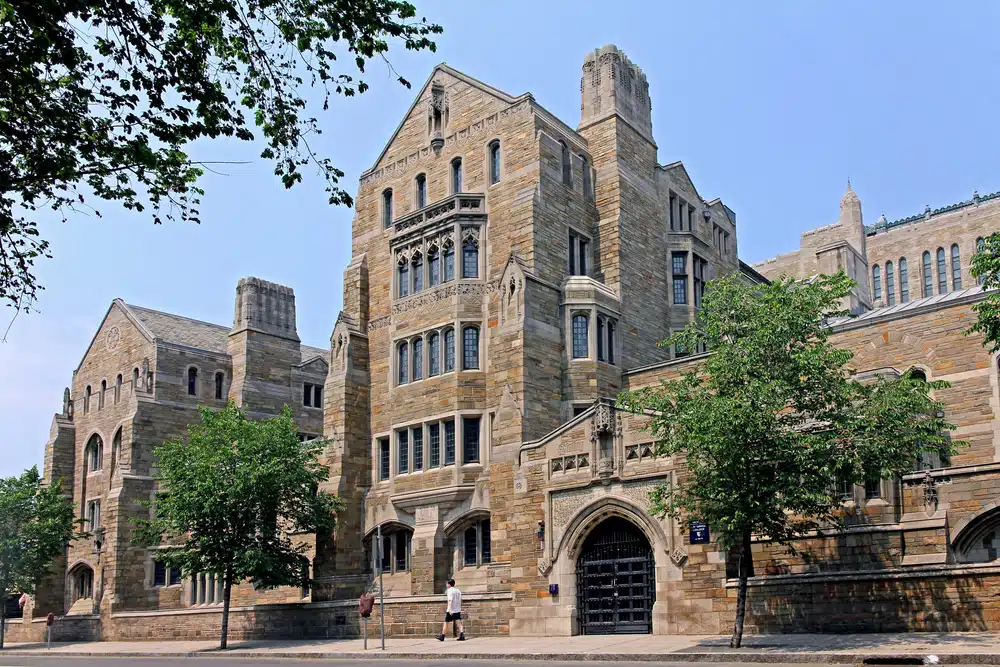
Yale decisions follow the application route you choose. Single-Choice Early Action (SCEA) applicants hear back in mid-December, and Regular Decision (RD) results arrive in late March, typically on Ivy Day, when all eight Ivy League schools post decisions on the same evening. Waitlisted and transfer applicants operate on later timelines that extend into the spring and summer.
Whether you applied early or are still waiting on the regular round, knowing exactly when Yale releases decisions gives you a concrete date to plan around. This guide covers every Yale decision date for the 2026–2027 admissions cycle, the possible outcomes in each round, and what to do once you hear back.
- When Does Yale Release Decisions?
- When Do Yale Waitlist Decisions Come Out?
- When Do Yale Transfer Decisions Come Out?
- What to Do After Receiving Your Yale Decision
- Waiting on Yale’s Decision? Get Expert Guidance
- Frequently Asked Questions
- Takeaways
When Does Yale Release Decisions?
Yale posts first-year admissions decisions twice each cycle:
| Application Route | Decision Release | Decision Types |
| Single-Choice Early Action | Mid-December 2026 | Admit, Defer, Deny |
| Regular Decision | Late March 2027 | Admit, Waitlist, Deny |
Source: Yale Undergraduate Admissions Office
For the most recent cycle, Yale posted SCEA results for the Class of 2030 on December 17, 2025, and RD decisions landed on March 26, 2026. The exact dates move slightly from year to year, but mid-December and the final week of March have been the consistent windows across recent admissions cycles.
When do Yale Early Action decisions come out?
Yale’s SCEA decisions come out in mid-December, generally between December 12 and 18. Admitted students have until May 1, 2027 to accept or decline their offer. Yale sends an email when your decision is available, but you need to log in to the Yale Admissions Status Portal to see the result.
Three outcomes are possible in the early round:
- An admit offers you a seat in the incoming class with no obligation to accept until the May 1 reply deadline.
- A defer shifts your application into the Regular Decision pool, where it receives a second review in the spring alongside all RD applicants.
- A deny ends your candidacy for the cycle, and you cannot reapply through RD during the same year.
When do Yale Regular Decision results come out?
Yale’s RD results come out in late March. Admitted students have until May 1, 2027 to respond. Decisions are posted to the Yale Admissions Status Portal, the same way SCEA results are delivered.
Three outcomes are possible in the regular round:
- An admit gives you until May 1 to confirm your enrollment.
- A waitlist keeps your application active in case spots open after admitted students make their decisions.
- A deny closes your application for the cycle.
Haven’t applied yet? See every Yale application deadline
Before you start tracking when Yale decisions come out, you need to make sure you meet the deadline. Our guide to Yale application deadlines covers every date for SCEA, RD, transfer, and financial aid.
When Do Yale Waitlist Decisions Come Out?
Yale waitlist decisions come out on a rolling basis, typically from early May through late July. There is no fixed notification date. The admissions office tracks how many admitted students accept their offers, and when spots open up, it extends new offers to waitlisted applicants in waves.
Applicants who receive a waitlist offer in the regular round have until May 1 to indicate whether they want to remain on the list. From there, the wait can stretch through the summer. If Yale contacts you with an offer, you will typically have only a few days to respond. Because the timeline is unpredictable, committing fully to another school by the May 1 reply deadline is the safest move while you wait.
When Do Yale Transfer Decisions Come Out?
Yale transfer decisions come out in early May, and admitted students must reply by late May.
There is no spring enrollment option. Transfer applicants must also complete at least two years at Yale to earn a degree, so students entering as juniors should factor that residency requirement into their planning.
What to Do After Receiving Your Yale Decision
Your response should match the outcome you receive:
| Yale Decision | What to Do Next |
| Accepted | Review your financial aid package, confirm enrollment by May 1, and start preparing for orientation and residential college assignment. |
| Deferred | Send a letter of continued interest with meaningful updates, keep your senior-year grades strong, and continue working on applications to other schools. |
| Waitlisted | Accept your spot on the waitlist if Yale remains a top choice, commit to another school by May 1, and send a brief update to Yale’s admissions office reaffirming your interest. |
| Denied | Take time to process the outcome, then turn your attention to the schools that did admit you and compare their financial aid offers to find the right fit. |
If you land on the waitlist and later receive an offer from Yale, you can accept it and withdraw from the school where you already deposited. You will lose that deposit, which is usually non-refundable. Given how uncertain waitlist movement can be at any selective school, investing fully in your backup plan is the practical approach while you wait.
If you are denied and still want to attend Yale, you can apply as a transfer student after finishing at least one year at another institution.
Waiting on Yale’s Decision? Get Expert Guidance
The stretch between submitting your application and receiving a decision is not dead time. How you use it can shape your outcome, whether that means strengthening other applications, preparing for a potential deferral, or getting your finances in order before May 1.
AdmissionSight’s Standard College Counseling program connects you with an experienced advisor who guides you through every phase of the admissions process. That includes essay development, activity list strategy, school list building, and deadline management across all of your target schools.
If you have already submitted and need help with a specific next step, our Ad Hoc Consulting option provides focused, one-off support. That might mean drafting a letter of continued interest after a deferral, writing an update for the waitlist, or putting together a plan for the rest of your admissions cycle.
Frequently Asked Questions
1. What time of day do Yale decisions come out?
Yale typically posts admissions decisions to the Yale Admissions Status Portal in the evening, around 7:00 PM Eastern Time. The admissions office sends an email letting you know your result is ready, but you need to log in to the portal to view the actual decision.
2. When does Yale release Early Action decisions?
Yale releases SCEA decisions in mid-December, usually between December 12 and 18. For the Class of 2030, decisions went out on December 17, 2025.
3. When does Yale release Regular Decision results?
Yale releases RD results in late March, typically on Ivy Day when all eight Ivy League schools post decisions on the same evening. For the Class of 2030, that date was March 26, 2026.
4. Can I appeal if Yale rejects my application?
Yale does not offer a formal appeals process for undergraduate admissions decisions. A denial is final for the cycle it was issued. If you still want to attend Yale after a denial, you can reapply as a first-year applicant the following year or apply as a transfer student after completing at least one year at another college.
5. How does Yale notify applicants of their decision?
Yale sends an email on the decision release date letting you know your result is available. The decision itself is posted to the Yale Admissions Status Portal, where you log in to view your admissions letter. Decisions are not sent by mail or communicated over the phone.
Takeaways
- Yale releases SCEA decisions in mid-December and RD results in late March. Both are posted to the Yale Admissions Status Portal, typically around 7:00 PM ET.
- Waitlist decisions roll out from early May through late July.
- Transfer decisions come out in early May, with a reply deadline in late May.
- If you are still preparing your application or need help responding to a deferral or waitlist, connecting with a college admissions expert can help you put your strongest case forward.










